Toronto’s Air Quality Crisis: The Impact of Wildfire Smoke
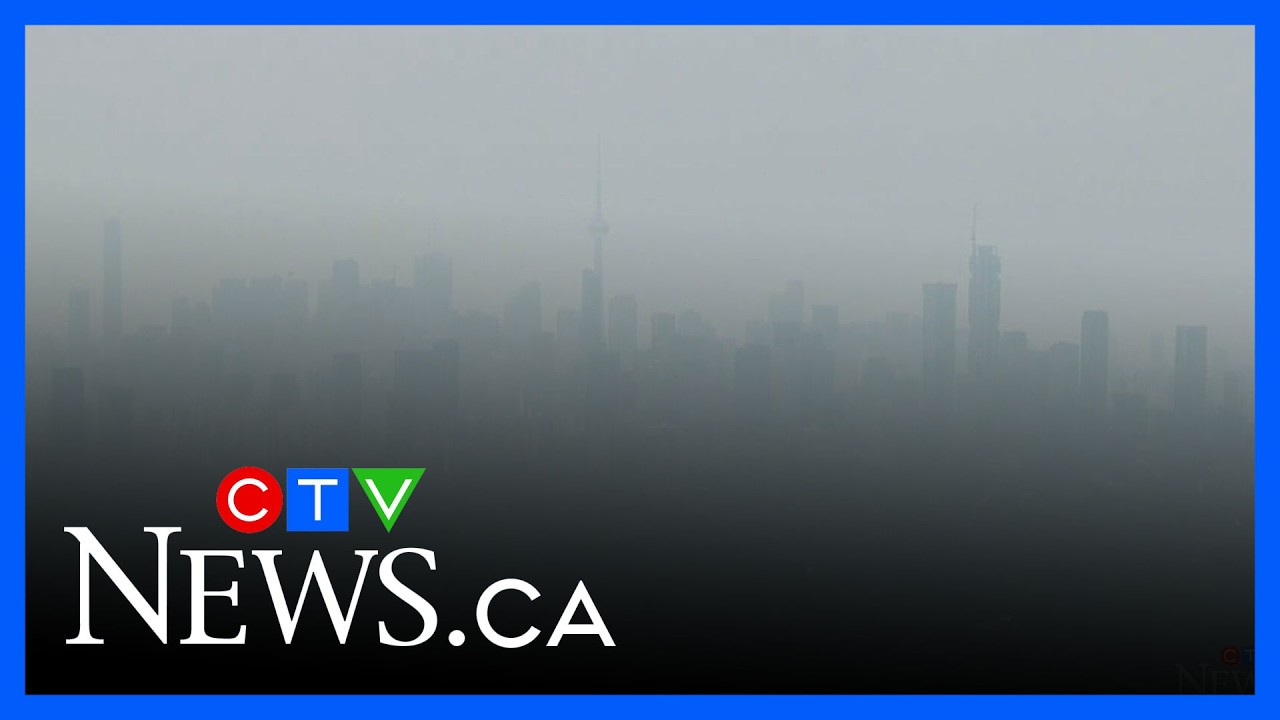
In recent days, Toronto has faced a dire environmental situation, as wildfire smoke envelops the city for the second consecutive day. The air quality has deteriorated to alarming levels, with Environment Canada reporting that the air in Toronto is now five times worse than the preceding day. This extreme air quality advisory serves as a stark reminder of the consequences that wildfires can inflict not only on the environment but also on public health.
Residents have been quick to adapt, donning masks as they navigate their daily routines. The pervasive smoke creates an oppressive atmosphere, prompting many to reconsider their outdoor plans. Individuals like Jesse and Elijah have voiced their discomfort, noting that although masks offer some relief, they are not a complete solution. "You have that choking sensation in your throat after a while," recounted one resident, echoing sentiments felt by many.
A Widespread Crisis
This issue extends beyond Toronto; several U.S. states are also affected by the drifting smoke, indicating that this is not solely a local crisis. Reports have indicated that at one point, Toronto’s air quality ranked as the third worst in the world according to IQAir. Such statistics underscore the severity of this situation, prompting officials to call for caution, especially among vulnerable populations.
With the air quality rated at a very high risk, outdoor activities have been curtailed. Public pools, typically bustling with families, sit vacant, while children in day camps are confined indoors. "They’re going to stay indoors, and just getting them to daycare is the priority," explained a concerned parent who has taken alternate routes to minimize time spent outside. The city has effectively turned into a cautionary zone, with officials urging residents, particularly the young, the elderly, and those with pre-existing health conditions, to stay indoors as much as possible.
Rising Health Concerns
As the smoke continues to blanket the region, local hospitals have reported an uptick in respiratory-related visits to emergency departments. Individuals with pre-existing conditions, such as asthma and chronic obstructive pulmonary disease (COPD), have been particularly affected. Medical professionals have noted a worrying trend: patients are presenting with acute exacerbations of their conditions, highlighting the acute dangers that poor air quality presents.
The ramifications of these fires are indicative of larger issues at play. Many in the community fear that such occurrences may become the new norm. "It probably started in the last 10 years," one resident noted, emphasizing how they did not experience such severe air quality issues in their youth. This sentiment reveals a growing concern among the populace about how climate change and environmental degradation are reshaping our lives.
A Waiting Game
As residents face another difficult night, concerns linger over when the airs will clear. While meteorological reports suggest that winds may soon shift, bringing some relief, the wait remains unsettling. In the meantime, there is a palpable sense of helplessness. Individuals are left to grapple with the immediate fallout, navigating their lives in a smoky haze.
Moreover, as the conversation around climate change intensifies, the consequences of wildfires like these serve as stark reminders of the urgent need for collective action. The situation in Toronto is more than just a weather phenomenon; it is a clarion call for better policies and practices aimed at mitigating the impact of climate change.
In summary, the current air quality crisis in Toronto offers a sobering glimpse into the changing dynamics of our environment. As residents adapt to these challenging circumstances, attention must turn toward long-term solutions to address the underlying causes of such severe weather events. Until then, the city endures a smoky reality that calls for vigilance and community resilience.