The Critical Situation in the Strait of Hormuz: Implications and Responses
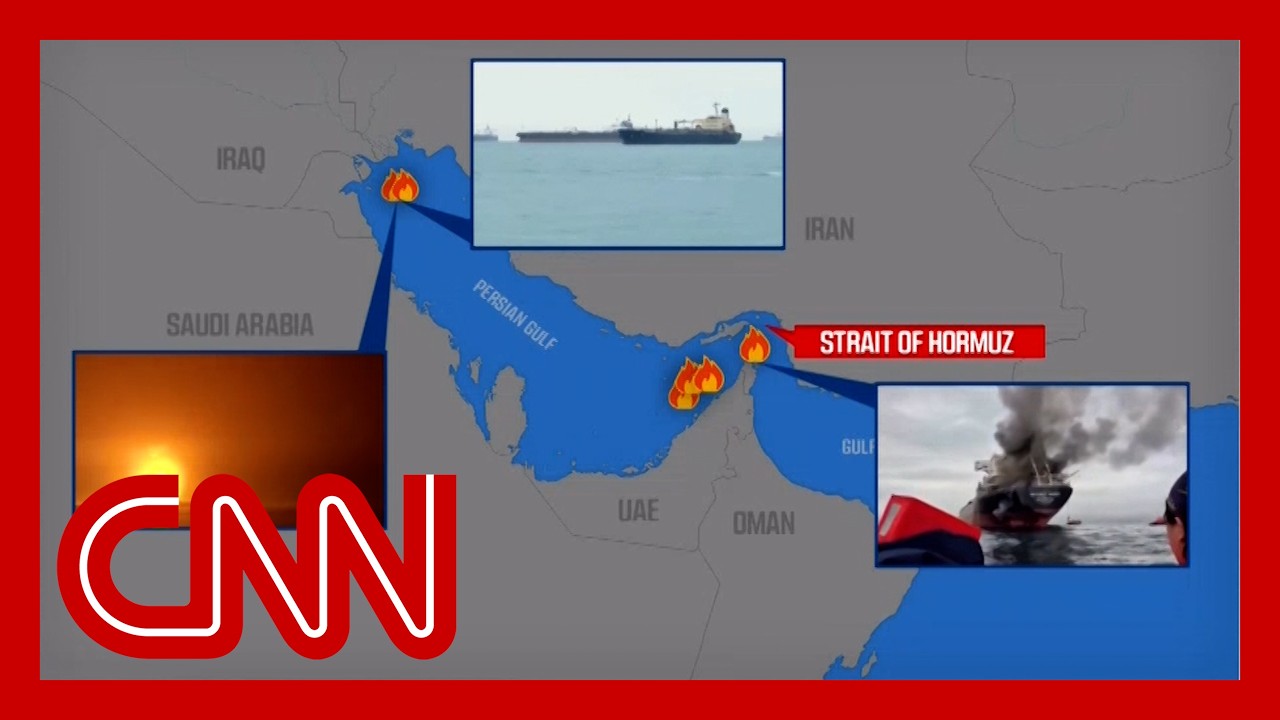
The Strait of Hormuz, a vital conduit for global oil shipments, currently stands at the epicenter of escalating geopolitical tensions. This narrow sea passage, through which approximately 20% of the world’s crude oil is transported, has become increasingly fraught with risks, particularly due to provocations from the Iranian regime. Reports from CNN reveal a troubling lack of preparedness from U.S. officials, who seem to have underestimated the aggressive posturing from Iran in this strategic waterway.
High-ranking officials from the Department of Energy and Treasury, despite their presence in strategic briefings, appear to have sidelined critical agency analyses that would normally underpin decisions about military operations in the region. In past administrations, such assessments have played a pivotal role in determining the U.S. response to threats in the Middle East. However, the current administration seems to have shifted focus, raising concerns about the decision-making processes in addressing Iran’s provocations.
Top officials, including members of the National Security Council, face a daunting task. They must balance diplomatic efforts with military preparedness to safeguard commercial shipping. Initial strategies suggest deploying the U.S. Navy to escort oil tankers through the Strait—an option fraught with risks. Energy Secretary Chris Wright has voiced his apprehensions, emphasizing that carrying out such operations could provoke further tensions.
Despite a concerted effort from the administration to downplay the severity of the situation, many energy executives remain cautious. The potential danger associated with routing tankers through waters peppered with threats is causing a significant slowdown in oil shipments. This not only threatens the flow of energy resources but also has ramifications on economic stability globally.
In a recent interview, Treasury Secretary Scott Besson assured the public that U.S. Navy escorts would commence as soon as "militarily possible." However, skepticism about the timeline remains prevalent among military and energy analysts, especially given the complexities of coordinating international coalitions in such a turbulent environment. While U.S. officials claim a comprehensive plan is in place to counteract Iranian military aggression, many express doubts about the robustness of these strategies.
With daily shipments of approximately 20 million barrels through the Strait, the implications of a prolonged disruption resonate beyond the region. Although a significant portion of this oil is destined for Asian markets, especially China, the interconnectedness of global oil markets means that any shortage or perceived risk in Hormuz will inevitably affect prices across the United States. Consumers feel the impact at gas stations, where the costs reflect the mood of uncertainty stemming from geopolitical conflicts thousands of miles away.
Moreover, the threat of seaborne mines and other forms of military deterrence employed by Iran complicates the situation further. Analysis indicates that Iran possesses modern mine technology capable of targeting specific ships, introducing an element of unpredictability that paralyzes shipping operations. The specter of such capabilities and the current military posture only add to the trepidation felt by oil executives hesitant to traverse these waters.
For many Americans, the situation in the Strait of Hormuz has become a focal point of concern. While it is a conflict occurring far from domestic shores, its ramifications are felt directly at the gas pump. Oil and gas prices, entwined with the underlying tensions, have begun to climb, prompting questions about energy security and national interests. The Biden administration’s messaging that the disruptions are temporary may provide little solace to citizens facing the direct effects of rising fuel prices.
In summation, the Strait of Hormuz remains not just a strategic military concern but a vital economic artery whose stability is imperative for global energy markets. As the U.S. contemplates its response to Iranian provocations, the need for a comprehensive, well-coordinated strategy that prioritizes both military readiness and diplomatic engagement becomes increasingly evident. The outcome of this situation may significantly influence not just market dynamics but also the broader geopolitical landscape, affecting countless lives both within the United States and abroad.