A World Cup Showdown: The Impact of FIFA’s Controversial Decision
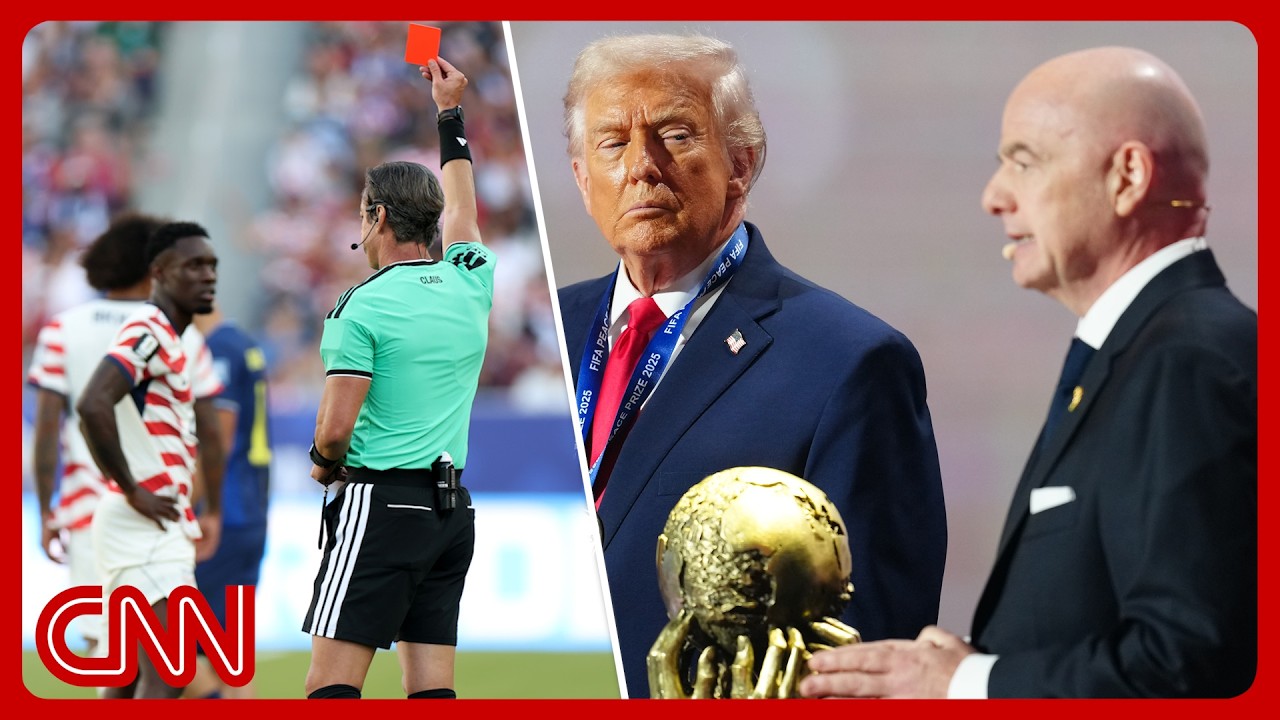
Tonight, the United States men’s national soccer team faces Belgium in a highly anticipated World Cup round of 16 match. Yet, the focus is not solely on the game itself; it is significantly intensified by FIFA’s unexpected decision to overturn the suspension of a prominent U.S. player, originally set to miss the match following a red card in a previous game. This development highlights not only the drama of the tournament but also the intricate web of politics that can influence sports at this level.
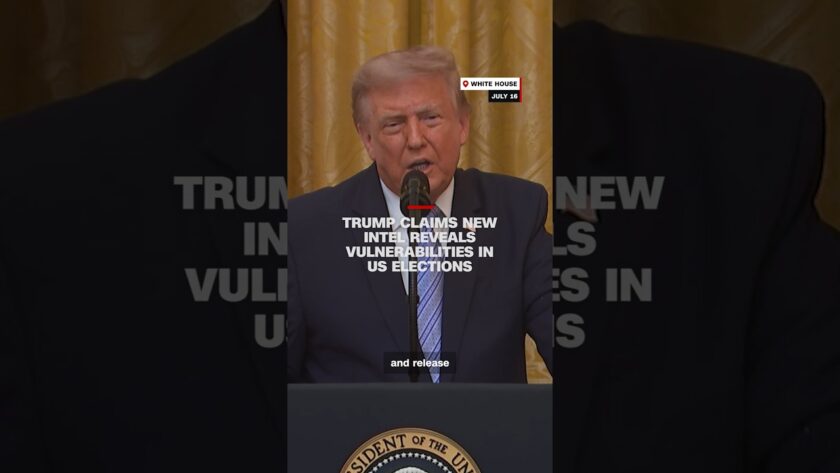
FIFA’s announcement has put President Trump’s influence over the international governing body of soccer under the spotlight. According to sources speaking to CNN, Trump had a conversation with FIFA President Gianni Infantino just days before the ruling was made. In this exchange, he urged Infantino to reconsider the disciplinary action against the U.S. player. Shortly thereafter, Trump took to social media, expressing gratitude to FIFA for what he termed a rectification of a “great injustice.” The situation raises important questions about the ethical landscape of sports governance.
U.S. soccer expressed relief at the decision, with the team’s coach stating that they had "suffered enough" from the previous suspension. In a formal statement, U.S. soccer acknowledged the reversal and announced their commitment to focusing fully on the match against Belgium. This reaction was met with applause from American fans, who are eager to see their star player take the field.
However, Belgium’s response has been one of outrage. The Royal Belgian Football Association condemned FIFA’s decision as contradictory to the World Cup regulations, arguing that it undermines fair play principles and calls into question the legitimacy of the tournament. As they consider legal options, it’s clear that the fallout from this decision is far from settled. Scrutiny will likely accompany tonight’s game, with many questioning whether the integrity of the sport has been compromised.
The implications are vast, intertwining sports and politics in a way that many had hoped the tournament could avoid. In previous weeks, the World Cup has largely been celebrated for its unifying potential, with less public commentary on political influences. This episode marks a turning point. Observers now debate whether future matches could be overshadowed by allegations of political favoritism, especially regarding decisions made in high-pressure scenarios such as this.
The narrative is complicated further by Trump’s past relationship with FIFA. In a move that some interpreted as an attempt to win favor, FIFA awarded Trump a peace prize last year, an action that raised eyebrows among critics who viewed it as a mere appeasement. The intersection of sport and political leverage has often been fraught; this situation further illustrates how easily competitive integrity can be called into question.
Moreover, the U.S. soccer team has found itself at the center of this drama at a crucial moment in their World Cup journey. If they emerge victorious on the pitch, will the win be forever marked by the controversy surrounding the player’s reinstatement? Critics have already begun to assert that any achievement may come with an asterisk, suggesting that the legitimacy of their performance could be clouded by political maneuverings.
As the match rolls around, fans find themselves grappling with conflicting emotions. While many are eager to support their national team, the question of fairness looms large. Will the U.S. triumph simply because of their star player’s presence on the field, or will skill and teamwork ultimately dictate the outcome?
In the grand tapestry of the World Cup, this moment serves as a reminder that sports are not immune to the larger socio-political landscape. In a sport that prides itself on fair play and integrity, incidents like this provoke a necessary reevaluation of how governance, influence, and competition intersect.
Tonight’s game promises not only athletic excellence but also a spectacle of political intrigue, scrutiny, and the complicated dynamics of global sport. As the whistle blows, the stakes will extend far beyond the scoreline, offering a narrative steeped in both ambition and ethical considerations.