The Evolving Relationship Between Trump and the Media: Analyzing the 60 Minutes Interview
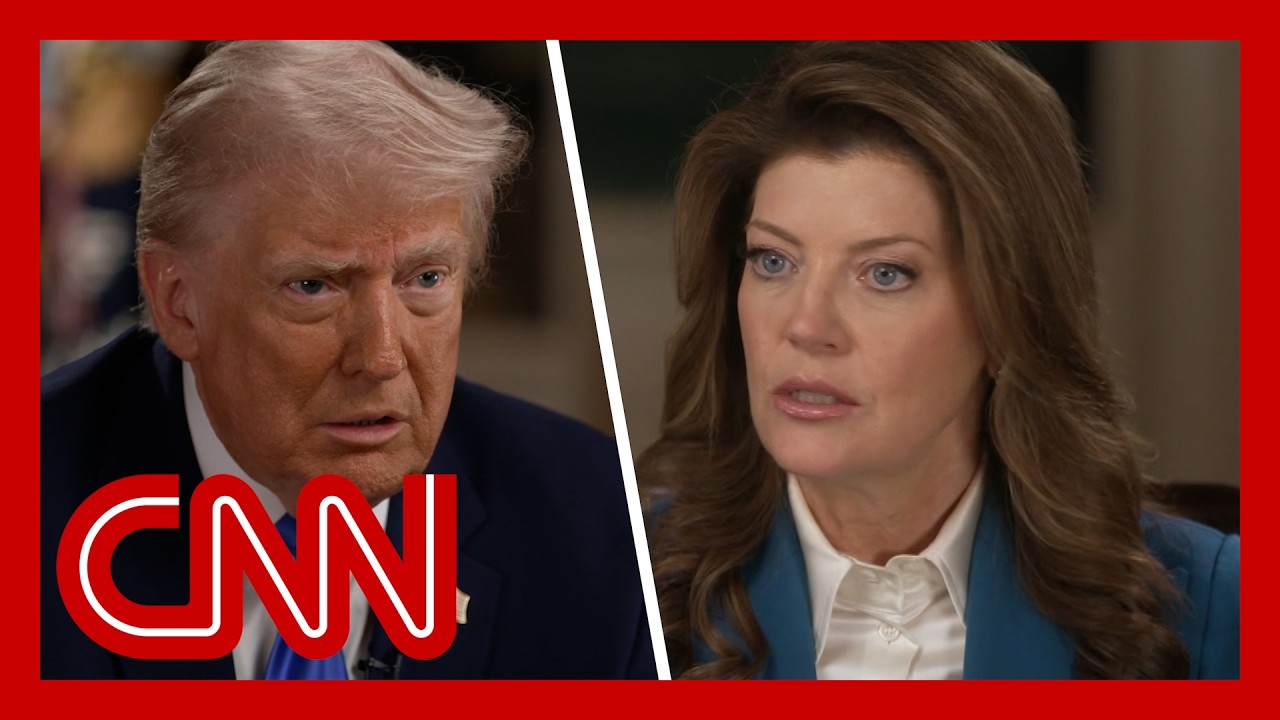
In a recent appearance on CBS’s "60 Minutes," the tension between President Donald Trump and the media flared once again. The interview, featuring a particularly uncomfortable exchange with anchor Norah O’Donnell, showcased the volatile nature of the president’s relationship with the press—a relationship that remains complex even as he attempts to navigate different media landscapes.
At the heart of this interview was a question that sparked President Trump’s ire regarding allegations made against him in an editorial. His vehement denials were punctuated by a familiar mantra: "I’m not any of those things," referring to the serious accusations leveled against him—claims he described as "sick" and disgraceful for being read aloud during a national broadcast. This moment serves as a stark reminder of how sensitive issues surrounding his past associations, particularly with the notorious Jeffrey Epstein, continue to linger and provoke strong reactions from the president.
Prior to the interview, Trump had exhibited a surprisingly calm demeanor at a White House Correspondents’ Dinner. This altered approach raised questions about whether a more conciliatory relationship could emerge between the Trump administration and the media. Brian Stelter, CNN’s chief media analyst, pointed out that Trump’s apparent respectfulness at the dinner belied the longstanding tensions that usually define his interactions with reporters.
The broader context of this situation is further complicated by the ongoing media dynamics surrounding the CBS network and its corporate parent, Paramount. As Paramount seeks regulatory approval for a significant acquisition involving Warner Brothers and CNN, speculation arose suggesting that CBS might be making concessions to curry favor with the Trump administration. Examples include settling a lawsuit with the president for significantly less than its potential worth and making changes in leadership that could be interpreted as appeasing Trump’s media strategy.
Despite the efforts by CBS to foster a cordial relationship, the president reverted to hostile rhetoric following the uncomfortable exchange in the interview. His quick pivot to labeling the mainstream media as "fake news" indicates a consistent strategy: when faced with criticism or difficult questions, he reverts to familiar defenses, leveraging public sentiment against a media that he claims misrepresents him.
Stelter’s analysis underscores how Trump embodies a transactional approach to media relations. He often swings between cultivating relationships when beneficial and distancing himself when it serves his narrative better. In moments of unity, such as the recent dinner, he positions himself as a champion for free speech. However, when confronted with challenging topics, he re-engages with invectives aimed at the press corps, reiterating his claims of media bias.
The relationship between political leaders and the media is inherently adversarial, as mandated by the principles of democracy. Journalists are tasked with holding those in power accountable while simultaneously building relationships necessary for information dissemination. This paradox remains a focal point in discussions about journalism in the current era—one marked by distrust and animosity.
As the interview proceedings unfold, the dynamics between Trump and the media could indeed signal an inflection point. However, it’s crucial to recognize that the expectations for a consistent and cooperative relationship must be tempered by the understanding of Trump’s historical interaction with the media. His propensity for volatility means such alliances may be short-lived, contingent upon favorable coverage.
In the coming days, with the potential for more press interactions as the administration organizes briefings, the question remains: How will journalists navigate the renewed tensions without sacrificing the essential tenet of holding power to account? As the president continues to oscillate between cordiality and confrontation, the responsibility of reporters to question and challenge remains unwavering.
In sum, the interview presents a microcosm of the ongoing struggle between President Trump and the press. With the stakes heightening, it poses a critical reminder of the vital role that media plays in a democracy, even when fraught with complexities. The evolution of this relationship will undoubtedly shape the political landscape, particularly as both sides continue to grapple with their respective roles in the public discourse.