Navigating Tensions: The Escalating Conflict with Iran and Its Implications
As the conflict with Iran enters its third month, the geopolitical landscape has grown increasingly complex. Despite a fragile ceasefire, efforts towards diplomatic resolution between the United States and Iran appear to be stalled. President Trump’s recent announcement on True Social highlights his skepticism regarding a newfound peace proposal from Iran, questioning whether it can adequately address the perceived injustices of the past 47 years.
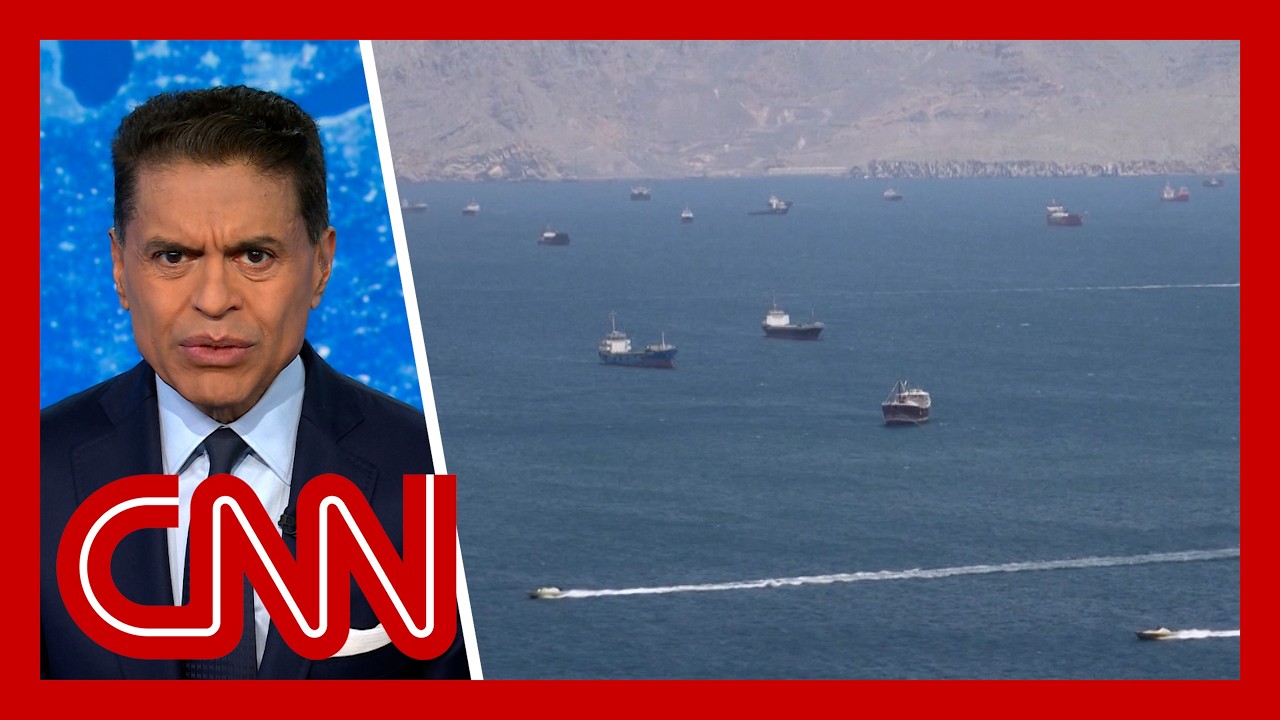
Central to this conflict is the Strait of Hormuz, a vital trade route that has become a focal point of military and economic strategies for both sides. The blockade of this crucial passage threatens to choke the global economy, resulting in skyrocketing oil prices and heightened tensions. The stakes in this high-stakes game of diplomatic brinkmanship are manifold, with far-reaching implications not only for the directly involved nations but for international markets and geopolitical alliances.
Anmarie Slaughter, soon to transition from CEO of the New America think tank to Dean of the London School of Economics, identifies a critical aspect of the situation: the resolve of the parties involved. She likens the current standoff to historical conflicts where the question becomes who can withstand the pain longer. Iran, fortified by an authoritarian government that has recently garnered greater public support, appears prepared for a protracted confrontation. In contrast, the United States may find itself more vulnerable, as its history of conflict—from Vietnam to Afghanistan—demonstrates an eventual need to recalibrate.
Admiral James Stavridis, a retired Supreme Allied Commander of NATO, shares his insights regarding the naval blockade of the Strait of Hormuz. Drawing from personal experience—having navigated the strait numerous times—he highlights the inherent difficulties of maintaining a blockade over such a vast stretch of coastline. He suggests that while the objectives of the U.S. may seem clear, the reality is more complicated and fraught with potential for leakage and escalation. This complexity should factor into military planning, with possible options including targeting key Iranian leadership, striking oil infrastructure, or preparing for a more direct military intervention to secure the strait.
Amidst these strategic discussions, the shifting U.S.-European relations present an additional layer of complication. The Pentagon’s recent decision to withdraw approximately 5,000 troops from Germany has drawn criticism from various political factions. The move appears to be a reaction to criticism from German Chancellor Friedri Meritz regarding America’s approach to the Iran conflict. Both Slaughter and Stavridis point out that this troop reduction could undermine the U.S.’s ability to project power effectively in Europe while risking deeper fractures in transatlantic relations.
Slaughter characterizes the withdrawal as symbolic yet damaging. The strategic importance of U.S. presence in Germany cannot be overstated; it is essential for operations not only in Europe but also in Africa. Geographic realities still matter, and reducing the U.S. footprint could inadvertently empower adversaries and weaken allies. The political ramifications may extend beyond military considerations, potentially encouraging European nations to forge new alliances independent of U.S. interests.
In an era where new technologies are rapidly shaping military strategies, both Slaughter and Stavridis underscore the influence of advancements such as drones and cyber warfare. As warfare evolves, future conflicts may increasingly rely on sophisticated technologies driven by artificial intelligence, biotech, and even new energy forms. However, despite these advancements, some constants remain, such as human behavior and geography—elements that will always hold sway in matters of war and peace.
As the situation continues to unfold, the world watches closely. The dynamics of the conflict with Iran, alongside the broader implications for U.S. credibility on the world stage, offer a complex narrative that will shape the future of international relations for years to come. The pathway to resolution is riddled with uncertainties, yet the need for strategic clarity and diplomatic ingenuity has never been more apparent.