Global Cooperation Urged to Secure the Strait of Hormuz
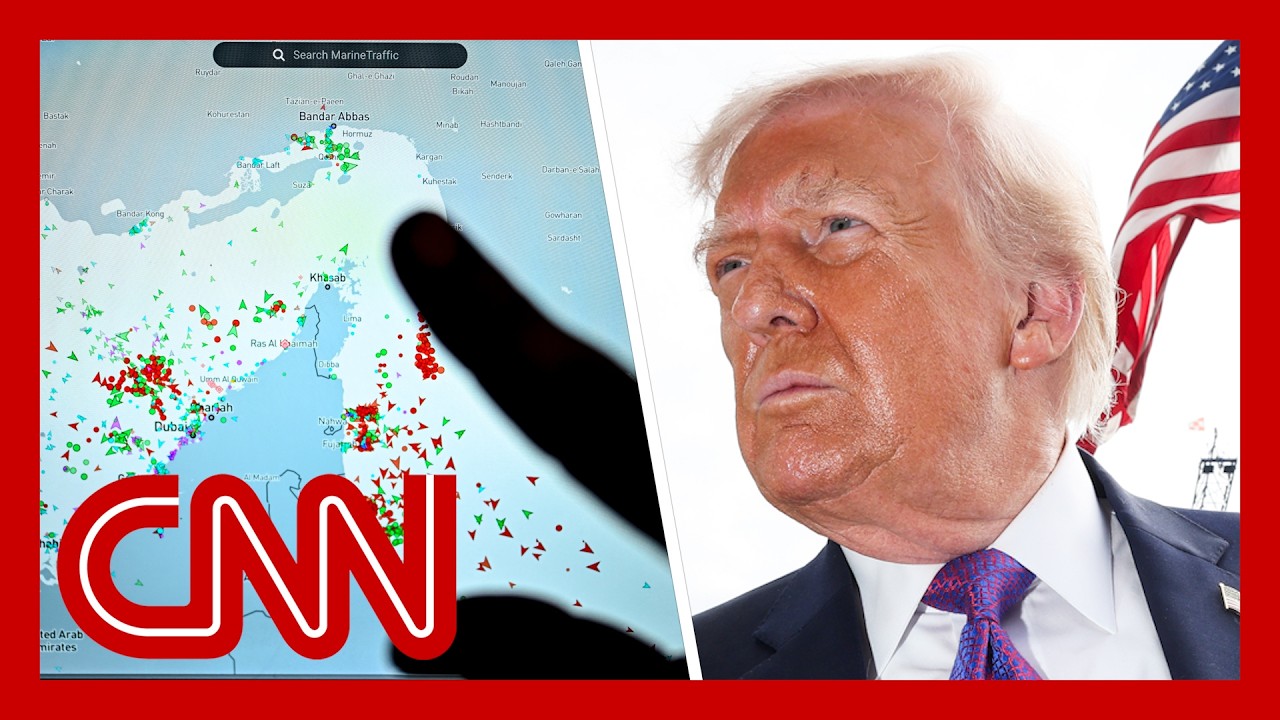
Amid escalating tensions in the Middle East, President Donald Trump has called for international collaboration to ensure the safe passage of ships through the strategic Strait of Hormuz. Home to approximately 20% of the world’s oil supply, the strait has become a focal point in the ongoing conflict with Iran, which recently escalated military provocations, prompting heightened concerns about the safety of maritime trade.
In his communications over the weekend, Trump specifically reached out to nations including China, France, and the United Kingdom, emphasizing the need for a collective approach to maintain open shipping lanes. He asserted that various countries, particularly those most impacted by Iran’s aggressive maneuvers, should deploy warships alongside U.S. forces to uphold safety in these crucial waters.
Trump’s assertive tone belies the reality that shipping activity in the Strait of Hormuz has stagnated, resulting in a surge in domestic gas prices. His proposal for an international naval coalition echoes past strategies employed during conflicts in the region, particularly in response to threats against Gulf shipping routes. The urgency of the president’s requests suggests a growing alarm over the potential long-term impact on global oil prices and economic stability.
Critically, Iranian Foreign Minister Abbas Araghchi has publicly refuted claims that the strait is completely closed. He asserted that vessels associated with the United States and Israel face restrictions, attempting to downplay concerns regarding the safety of other ships. This juxtaposition raises questions about the reliability of information emerging from Tehran and the degree to which shipping companies may trust Iranian assurances.
The backdrop to this diplomatic maneuvering is complex. Just days prior, Trump expressed confidence in America’s military accomplishments in the region, claiming that Iran’s capabilities had been significantly diminished. However, the emerging realities suggest a different narrative; Iran’s ongoing capabilities have allowed them to challenge U.S. interests directly, employing strategies aimed at disrupting maritime trade as a means of exerting economic pressure.
As the tensions continue, American consumers are increasingly bearing the brunt of the crisis, with rising gas prices contributing to a growing wave of public anxiety over fuel availability and cost. In light of these developments, Trump’s call for collective action may serve as an attempt to mitigate domestic concerns while reinforcing international support against Iranian provocations.
Indeed, the strategic significance of the Strait of Hormuz cannot be overstated. With many commercial vessels hesitating to pass due to potential risks, the operational capacity of the U.S. Navy has shifted markedly. The focus now includes not only the elimination of Iranian military assets but also a pressing need to safeguard commercial shipping routes.
The implications of Iran’s aggressive posturing extend beyond immediate military concerns; they pose a broader threat to the global economic landscape. Analysts note that without proactive international cooperation, the situation could evolve into a chronic chokepoint, with Iran leveraging their influence over oil supply as a strategic bargaining chip.
Consequently, Trump’s outreach to global partners, including significant oil consumers like China, reflects a pragmatic understanding of the geopolitical landscape. The willingness of nations such as India and members of the European Union to engage may lend credence to efforts aimed at neutralizing Iranian threats in the region.
However, skepticism remains regarding the extent to which these nations will be willing to deploy naval assets amidst conflicting interests and regional complexities. The precarious balance between asserting military might and navigating diplomatic relations underpins current international dynamics.
As the situation in the Strait of Hormuz develops, the consequences of an uninterrupted maritime corridor are expected to resonate throughout the global economy. Thus, the question arises: will Trump’s calls for global naval cooperation materialize into a unified front against Iranian aggression, or will economic imperatives overshadow strategic alliances? The unfolding events surrounding the Strait of Hormuz will likely set the stage for future geopolitical relations in this critical region.