U.S. Apache Helicopter Shot Down: Implications and Diplomatic Fallout
In a significant escalation in tensions in the region, President Trump recently disclosed that an Apache helicopter operated by the U.S. military was shot down by an Iranian drone while patrolling the Strait of Hormuz. This incident not only raises serious concerns about military engagement but also complicates ongoing diplomatic negotiations with Iran.
The president confirmed the safety of the two pilots involved, stating they were unharmed. However, he emphasized the necessity of a U.S. response to this military provocation. Such assertiveness suggests a shift in the administration’s approach, especially given the complexities surrounding recent ceasefire negotiations between Israel and Iran.
Initial reports had left some ambiguity about the cause of the helicopter’s crash. The U.S. Central Command (Centcom) had announced that an investigation was underway, but it refrained from specifying who was responsible. Trump’s statement accusing Iran of the attack provided clarity, revealing that it was an Iranian "Shaheed" drone linked to one of many that remain in Iran’s military arsenal, despite claims that their capabilities have been significantly degraded.
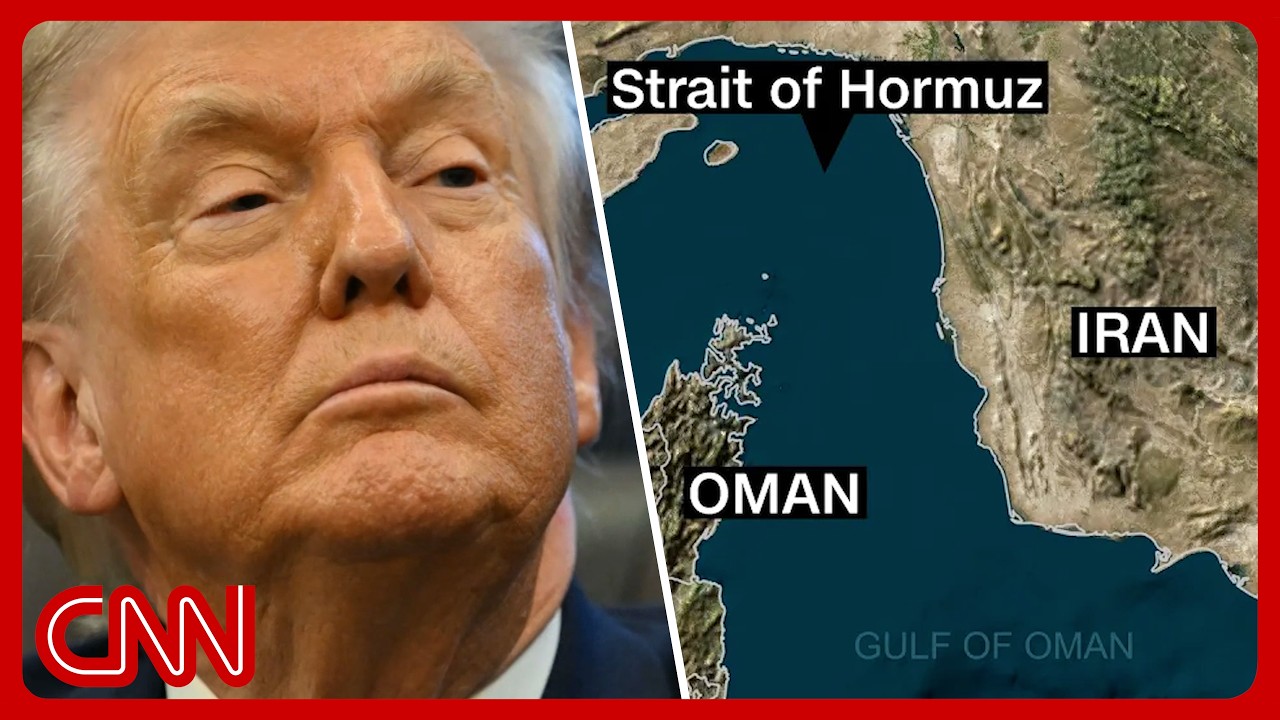
The implications of this incident are profound. It underscores the persistent threat posed by Iran to U.S. military and commercial vessels operating in this strategic waterway. The Strait of Hormuz is crucial for global oil transportation, and continued hostilities threaten not just military safety but also economic stability.
In following the president’s remarks, experts have begun analyzing potential U.S. responses. Military options are reportedly being explored, with a focus on proportionality. This brings into question whether the response will be limited to targeted airstrikes on drone launch sites or if it will escalate into broader military action.
Although the Pentagon initially projected a sense of control over Iran’s military capabilities, the recent attack dismantles that narrative and reinforces the notion that Tehran capitalizes on periods of international distraction—like these ceasefire negotiations—to rebuild its military strength.
The ongoing negotiations had given President Trump a chance to tout progress. He had even suggested that a deal was imminent, claiming that the Strait would open immediately upon signing—a promise to deliver economic relief and stability. However, the shooting down of the Apache helicopter has shattered that optimism, presenting a stark reminder of the fragility of such diplomatic engagement.
Translating military incidents into diplomatic ramifications is fraught with challenges. The president’s assertion that the U.S. "must respond" indicates he understands that inaction could signal weakness, undermining his administration’s posture in both domestic and international arenas. Nonetheless, this raises critical questions. What signals does a military strike send to allies and adversaries? Will it lead to a cycle of retaliation?
Moreover, Iran’s recent rhetoric reinforces the urgency of U.S. actions. Iranian officials have expressed a desire for diplomacy but have made it clear that they would not shy away from military action if provoked. This duality complicates the landscape further; the Iranian government appears to be testing the boundaries, gauging U.S. responses while simultaneously pursuing diplomatic avenues with a dual-pronged approach.
As the situation continues to evolve, it remains to be seen how President Trump will maneuver through this precarious juncture. The choice between military action and continued diplomacy defines the challenges of leadership in wartime. While he projects optimism about achieving a deal with Iran, the backdrop of military aggression complicates those ambitions.
In conclusion, the downing of the Apache helicopter signals not only a military confrontation but also a pivotal moment in U.S.-Iran relations. The administration faces a delicate task—balancing the need for a robust response with the desire to uphold potential diplomatic channels. As events unfold, both regional and international actors will be watching closely, and the repercussions of this incident could shape the future dynamics in an already volatile Middle East.