Tensions Rise: The U.S. and Israel’s Coordinated Military Actions Against Iran
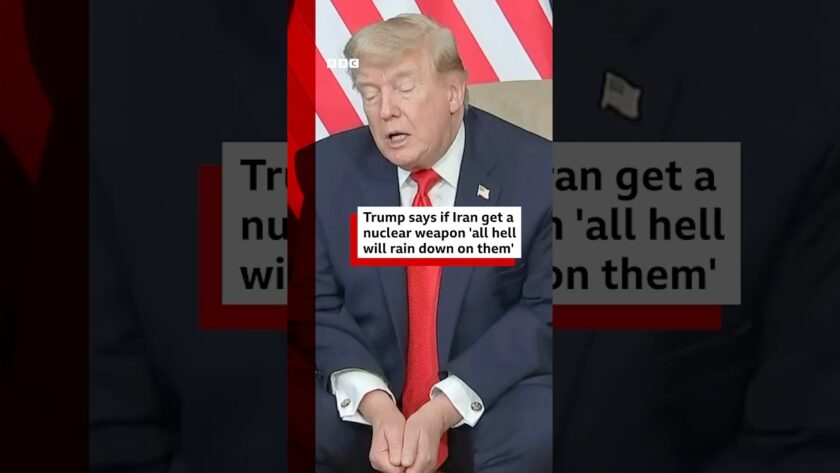
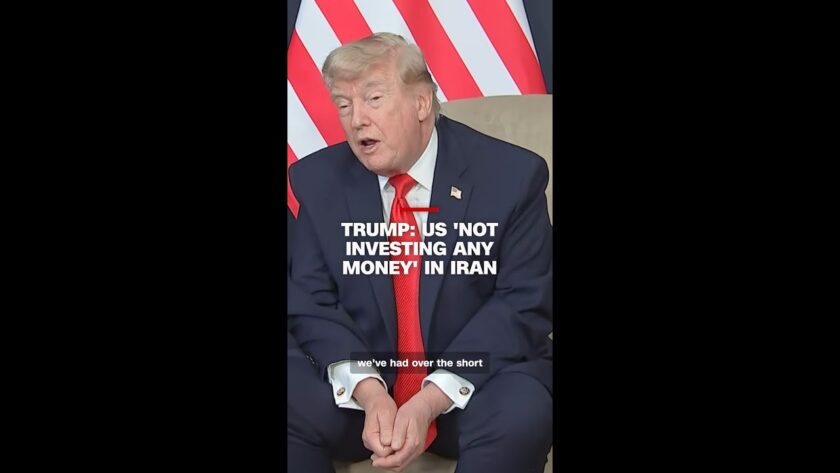
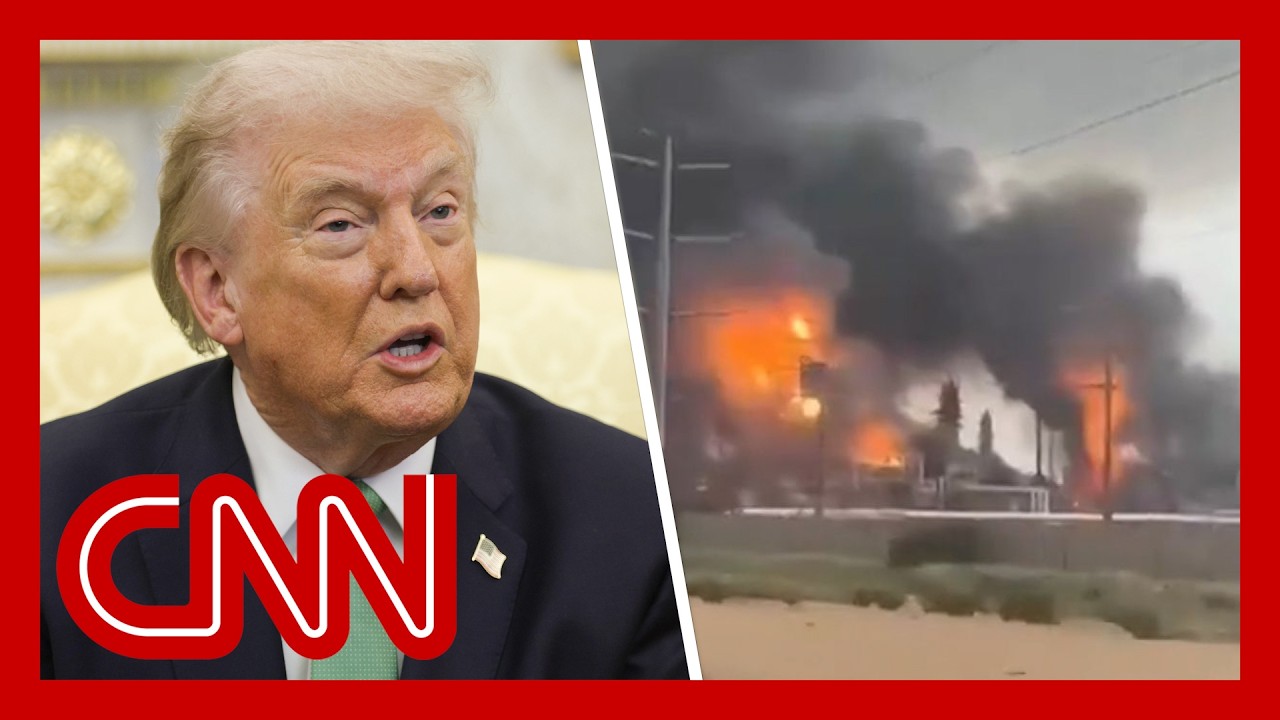
In a rare deviation from typical diplomatic support, President Donald Trump recently indicated ignorance concerning Israeli military strikes on Iran’s South Pars gas field—the world’s largest gas field. Trump’s statement, disseminated through social media, emphasized that further Israeli assaults in the region would only occur if Iran retaliates against the Carter gas field, which is shared with its adversarial neighbor. This escalation in rhetoric follows Tuesday’s Iranian assaults on critical oil and gas infrastructure across the Gulf, affecting key sites in nations such as Qatar, the UAE, and Kuwait. Notably, Saudi Arabian defense forces successfully intercepted several missiles targeting Riyadh, underscoring the heightened regional hostilities.
Compounding the situation, preliminary reports suggest that the Israeli attacks were strategically coordinated with U.S. military efforts. Before Trump’s remarks, Israeli officials had already disclosed that the strikes on South Pars were aligned with U.S. plans—a revealing notion given the intricate nature of air, naval, and ground operations involved. Such coordination raises critical questions about Trump’s claimed ignorance, particularly when historical precedents illustrate a tightly knit military and political alliance between Washington and Jerusalem.
Indeed, the military collaboration appears to be a calculated move designed to mitigate the potential repercussions of targeting gas and electricity infrastructure, as opposed to oil. The rationale is straightforward—the U.S. is acutely sensitive to fluctuations in fuel prices, especially given the global energy crisis exacerbated by geopolitical tensions. However, the Iranian response, which included counterattacks on regional energy facilities, suggests that such careful planning did little to shield the U.S. from collateral implications.
Israeli sources further elaborate that the objectives extend beyond mere utility infrastructures; they include decisive targeting of Iranian military personnel and strategic locations within Iran’s borders. Noteworthy developments indicate strikes occurred near Iran’s northern territory, marking an expansion of Israeli operations from earlier engagements. The existence of a list of targeted Iranian officials hints at a broader strategy aimed at high-ranking figures within the Iranian regime, including potential moves against the Khamenei family.
Simultaneously, the unfolding dynamics imply an unsettling rift between the U.S. and Israel, particularly with Trump’s apparent criticism of Israeli military operations. Analysts suggest that this critique reflects a political calculus—Trump’s acknowledgment of the U.S. energy sector’s vulnerabilities points to a desire to avoid conflict-related repercussions that could create domestic unrest or geopolitical isolation.
As tensions amplify, the potential reallocation of U.S. ground forces to the region introduces additional layers of complexity and risk. Reports indicate that a military vessel carrying nearly 2,500 personnel is en route, with discussions underway regarding the deployment of additional troops. The intended missions could range from securing Iran’s acquired nuclear resources to establishing enclaves around strategically vital locations such as the Straits of Hormuz.
Yet, deploying ground troops poses significant risks, as U.S. forces may find themselves entrenched in precarious situations, facing strong opposition within Iranian territory. The objectives of securing uranium resources and shielding maritime passageways in the Gulf area are fraught with peril, echoing broader concerns about escalating military engagements.
The geopolitical landscape remains highly unpredictable, particularly given the history of Iranian resistance grounded in ideological fervor. The regime’s commitment to its strategic goals, including the preservation of its interests and the perceived existential threat posed by Israel and the U.S., complicates prospects for de-escalation.
As global energy markets remain significantly influenced by these ongoing tensions, the implications of further military actions could reverberate far beyond regional boundaries. The interplay of U.S. foreign policy, Israeli military strategy, and Iranian resilience holds the potential to reshape the trajectory of Middle Eastern geopolitics in the upcoming months.
In summary, the escalating conflict between Israel and Iran, compounded by U.S. involvement, raises critical questions about the future direction of military engagement in the region. Both the intricacies of direct military coordination and the implications of these actions on global energy stability will continue to be focal points for analysts, policymakers, and global observers alike.