Escalating Tensions in the Strait of Hormuz: A Critical Moment for U.S.-Iran Relations
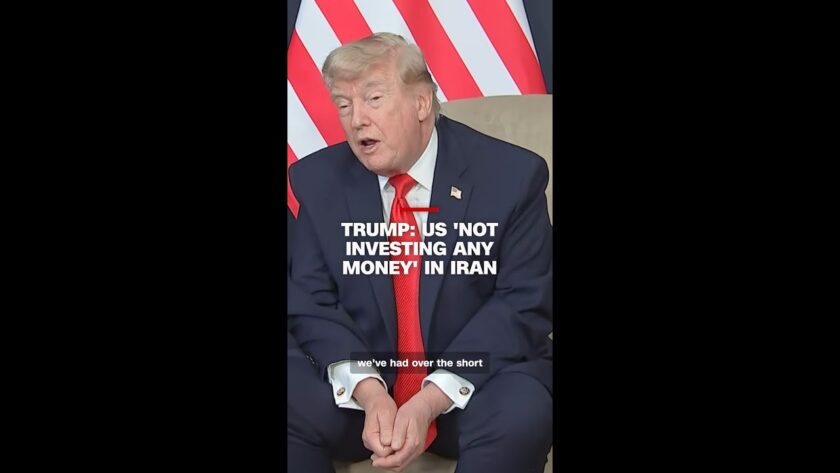
Recently, President Donald Trump issued a stark warning to Tehran, threatening a significant strike on Iran’s energy infrastructure if the nation fails to allow free navigation through the strategically vital Strait of Hormuz. This ultimatum, coupled with the potential for retaliatory actions from Iran, has heightened global anxieties regarding energy security and geopolitical stability in the region.
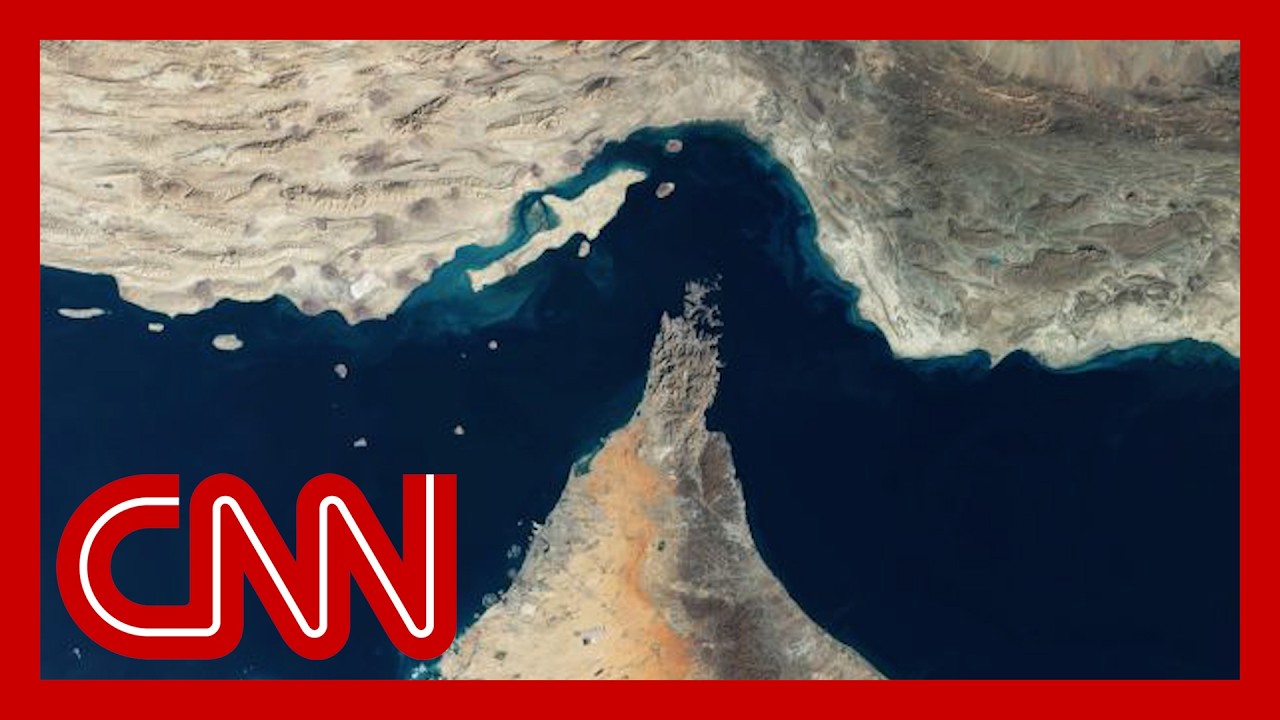
The Strait of Hormuz is a crucial maritime corridor, facilitating the movement of approximately 20% of the world’s oil. Trump’s ultimatum, which stipulates a mere 48-hour timeframe for Iran to comply, underscores the fragile nature of tensions in the region. According to reports, Iran has issued statements suggesting that vessels linked to enemy nations, specifically the U.S. and Israel, may not be allowed passage. While Iranian officials assert that all vessels can pass through the strait, the ambiguity surrounding such regulations poses risks for international shipping and trade.
Economic ramifications are already being felt globally. Analysts indicate that disruptions in the Strait of Hormuz could lead to increased inflation across various sectors, particularly in energy and consumer goods. With Asian markets poised to respond first to these developments, various stakeholders are expressing deep concern about potential impacts on corporate earnings and stock market volatility. The prevailing sentiment among businesses is one of trepidation, as instability in the Middle East has historically led to fluctuations in oil prices. As the situation unfolds, heightened prices at the gas pump could quickly follow.
Trump’s threat to target Iran’s energy facilities and power plants is unprecedented. While his administration may seek to flex military muscle to compel Tehran into compliance, the expected effectiveness remains uncertain. Iran, governed by a regime that has successfully absorbed significant external pressures, may not respond to such threats as anticipated. The authoritarian nature of the Iranian government allows it to endure economic strife, presenting a formidable challenge for U.S. strategies aimed at creating internal discontent within Iran.
Amidst these developments, experts emphasize the need for caution. The U.S. military response, rather than deterring Iranian aggression, could provoke further retaliatory measures, potentially resulting in significant damage to energy infrastructure throughout the region. As Iran retaliates against perceived threats, the regional energy market could face further disruptions.
Conversely, there are indications that the administration seeks to stabilize the situation. Over the weekend, Trump notably expressed a desire to wind down military operations, signaling a nuanced approach to foreign policy challenges. However, the apparent inconsistency in messaging—from aggression toward Iran to an interest in de-escalation—complicates U.S. standing with both its allies and adversaries.
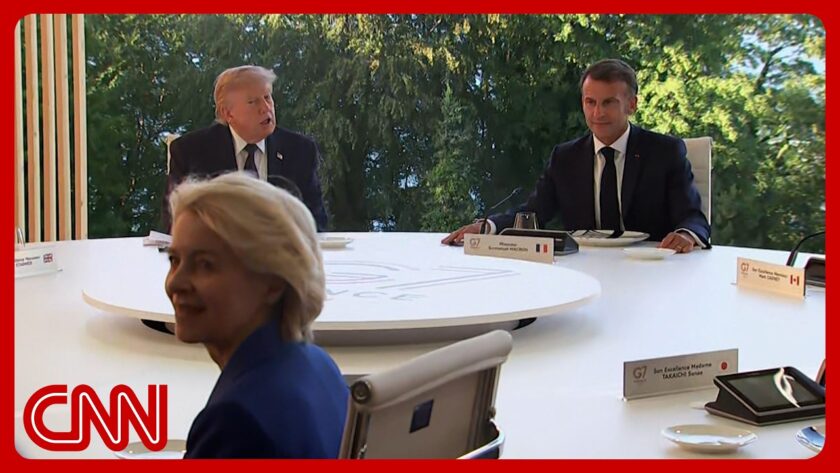
Moreover, the implications for NATO and traditional U.S. allies in the Gulf are substantial. The Trump administration has often been criticized for its approach towards these partners, demonstrating a degree of indifference that could have lasting ramifications. As the geopolitical climate shifts, the U.S. must navigate complex alliances while continuing to assert its influence.
The ongoing conflict has transformed the dynamics in the region, with multiple stakeholders engaged in a web of threats and counter-threats. Analysts suggest that this instability continues to escalate, pushing both the U.S. and Iran closer to actions that could lead to catastrophic outcomes. The potential for strikes on energy infrastructure raises critical concerns about the implications for global oil supplies and prices.
In conclusion, the current standoff between the U.S. and Iran is marked by escalating rhetoric and potential military action, with each side poised to retaliate. With a 48-hour ultimatum established by the U.S. presidency, the coming days will be pivotal in determining the trajectory of this conflict. The stakes are exceptionally high, as global economic ramifications intertwine with real human costs in the region. Navigating this delicate situation will require measured diplomacy, strategic foresight, and a reassessment of long-held assumptions regarding U.S. and Iranian capabilities and intentions.