A Shocking Threat: President Trump’s Unprecedented Comments About Oman
In a startling turn of events, President Trump has cast a shadow over U.S. foreign relations by threatening to attack Oman, a key ally in the Middle East. His remarks stood out not only for their aggressive tone but also for their implications for U.S. relations with other nations in the region.
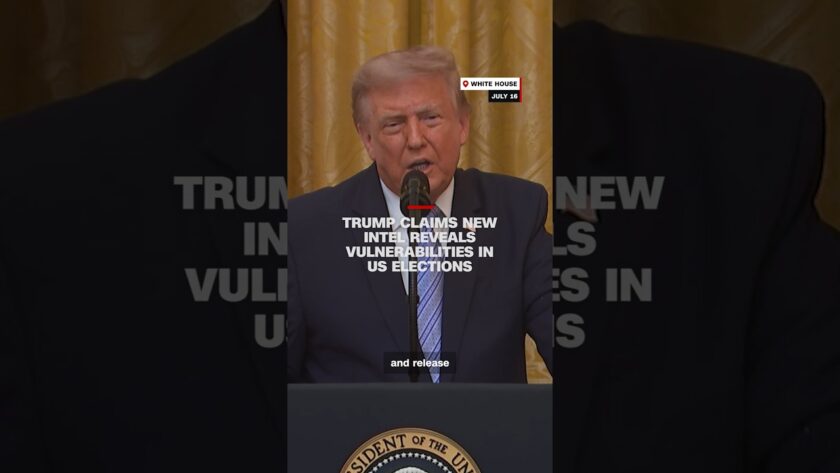
During a recent address, President Trump declared, "We’ll watch over it, but nobody’s going to control it." He seemed to suggest that Oman’s behavior must align with U.S. interests, stating, "Oman will behave just like everybody else. We’ll have to blow him up." These statements have sparked widespread concern and disbelief among political analysts, particularly given Oman’s historical role as a mediator in U.S.-Middle Eastern negotiations.
Oman has long been a vital partner for the United States, facilitating dialogues on issues ranging from hostages to regional conflicts. Its strategic location near the Strait of Hormuz—one of the world’s most critical shipping lanes—exemplifies its importance. Key American military operations utilize Omani ports, making Trump’s comments not just reckless, but potentially destabilizing for U.S. interests.
What raises eyebrows is that President Trump is the first American president known to have specifically threatened military action against Oman. This overt hostility raises questions about his foreign policy strategy and his treatment of allies. Analysts have noted that such comments could deter other Gulf states from relying on U.S. security guarantees. If allies fear potential U.S. aggression, they may reconsider their alliances and turn toward competing powers, most notably Iran.
Elena T. reported from outside the White House, highlighting the dissonance in Trump’s statements just days before. In recent negotiations, Oman had been seen as a critical player in brokering peace talks, particularly between the U.S. and Iran. Yet now, Trump’s rhetoric suggests a complete reversal, leaving observers confused about the administration’s objectives.
The implications of this threat are profound. Robert Kagan, a renowned foreign policy expert, suggested that such actions portray the U.S. as a "rogue superpower." This creates an international impression of America increasingly willing to use its military might against former allies while neglecting established diplomatic relationships. A concerning notion arises: if Oman can be threatened so cavalierly, what does that mean for other allies like Saudi Arabia and the UAE?
Historically, Oman has maintained a delicate balance in its diplomatic relations, avoiding antagonism with neighboring countries. Acting as a facilitator for dialogue in a tumultuous region, Oman’s long-standing friendship with the U.S. dates back to a friendship agreement established in 1833. Thus, Trump’s remarks appear not only shocking but fundamentally at odds with both diplomatic history and strategic necessity.
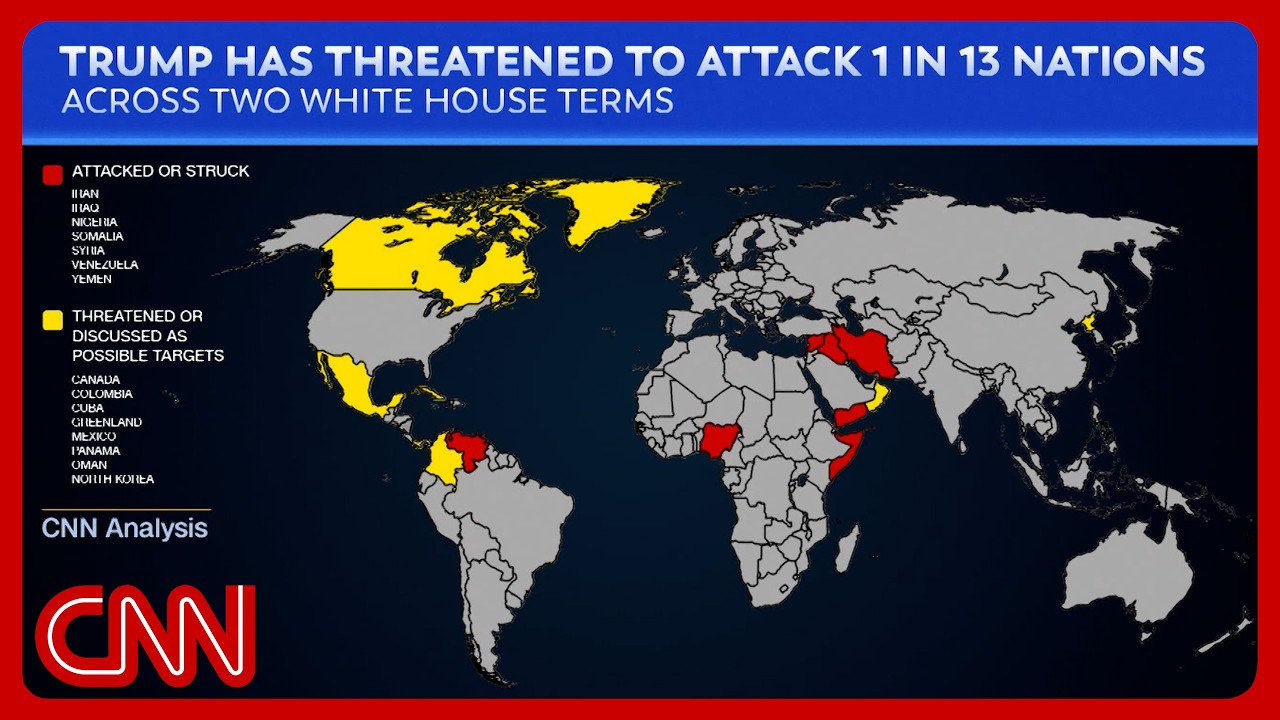
Furthermore, the broader context reveals an unsettling pattern. Trump’s rhetoric has increasingly involved threats to various countries. Analysis shows that he has mentioned aggressive actions against approximately one in thirteen nations during his presidency. This escalates fears of a cycle where diplomatic engagement is supplanted by bellicose posturing. Such a trend raises anxiety about the stability of international relations and could embolden hostile actors.
It’s essential to analyze what this means for policymakers. Oman’s crucial role as a mediator and ally cannot be understated, and compromising that relationship could have lasting repercussions. With nations like Iran looking to exploit signs of U.S. weakness, the threats against Oman could jeopardize ongoing peace efforts in the region.
As reactions to Trump’s comments unfold, both within the U.S. and globally, the consensus is clear: threatening to "blow up" an ally is no trivial matter. It signifies a worrying shift in American diplomacy, one that could undermine alliances built over decades. Moving forward, it will be critical for U.S. policymakers to reassess their approach and reaffirm their commitment to those who stand with them in pursuit of stability and peace in an increasingly volatile world.