Trump’s Greenland Ambition: A Diplomatic Dance at Davos
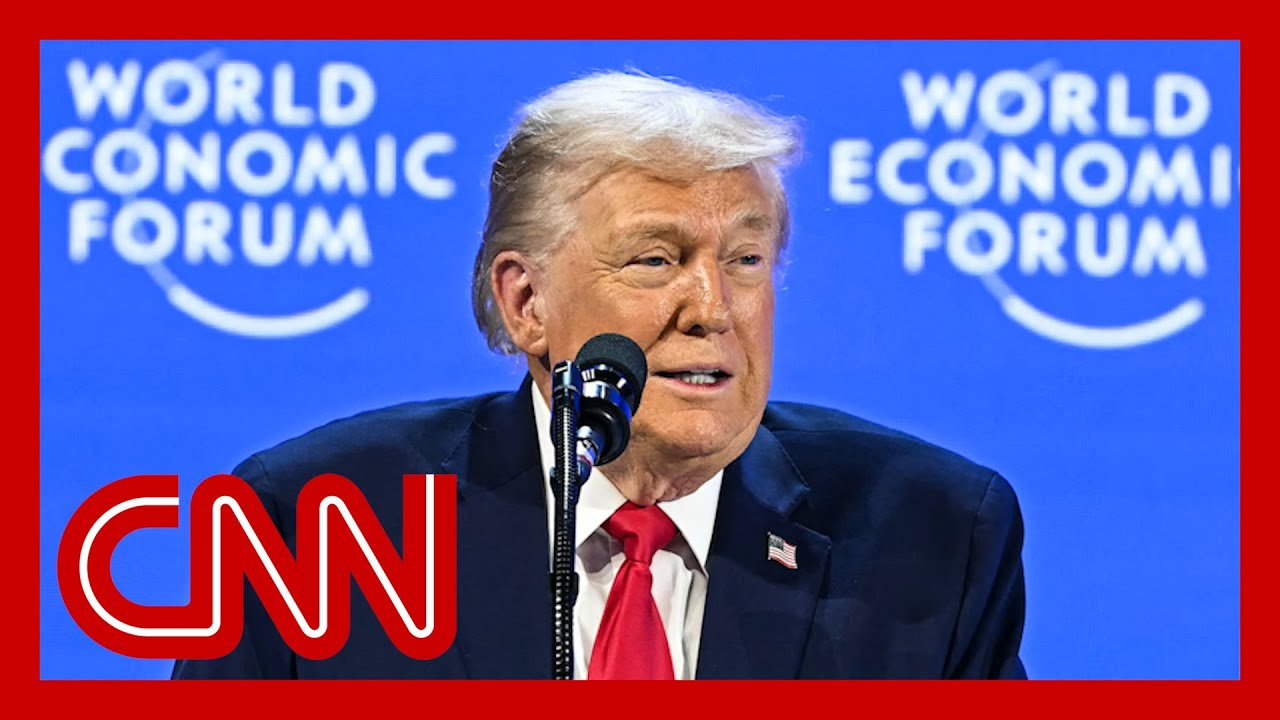
In a stark display of diplomatic assertiveness, President Donald Trump addressed the world during his much-anticipated speech at the World Economic Forum in Davos. Standing before an audience of international leaders and business magnates, he unequivocally reaffirmed his interest in acquiring Greenland, emphasizing that negotiations—not military force—would be the path forward. This marked a pivotal moment, as Trump distanced himself from the idea of aggression while making it abundantly clear that he desires U.S. control over the Danish territory.
His remarks came amidst a backdrop of tension, addressing both allies and adversaries alike. "All the United States is asking for is a place called Greenland," he said, framing the acquisition as a modest request. Yet, this assertion raised eyebrows, especially when juxtaposed against his scathing criticism of NATO allies. He accused them of failing to provide adequate support, claiming, "We never asked for anything and we never got anything." This combative tone was unprecedented for an American president addressing global leaders at such a prominent venue.
Throughout his speech, Trump highlighted historical ties between the U.S. and Denmark, referencing the Second World War when the U.S. established bases in Greenland while Denmark was under Nazi occupation. However, his justification for U.S. claims seemed to gloss over the complexities of global diplomacy. It provoked laughter early in his address, yet many were left speechless once the focus shifted to Greenland and NATO.
In her analysis, CNN correspondent Kaitlan Collins noted how the tone shifted dramatically as Trump delved deeper into his beliefs about Greenland’s significance to U.S. interests. His proclamations, while clear, prompted immediate questions about their implications. In particular, many wondered how such statements would resonate with both the people of Greenland and potential U.S. allies.
Despite the president’s insistence that military force was off the table, skepticism remained high among leadership in Greenland. Many residents, wary of his ambitious overture, questioned the sincerity of Trump’s promise. "Can we really trust this U.S. president?" a local voice echoed, reflecting a prevalent sentiment that the desire for negotiation could mask deeper intentions.
Critically, Trump did not shy away from critiquing specific NATO allies, including Canada and France. His remarks were particularly biting toward Canadian Prime Minister Mark Carney, who had suggested that Canada should become more self-sufficient. This marked a rare moment where an American president openly criticized individual allies at such a high-profile international event. The consequences of these statements are yet to be fully understood, but they certainly add an undercurrent of tension to U.S.-Canada relations.
Nic Robertson, CNN’s diplomatic editor stationed in Greenland, articulated growing concerns among locals that European support might dwindle. As European allies are publicly chastised, there are increasing fears about the future of any proposed negotiations. “Why would European nations stand against their strongest ally if it meant giving up a territory they do not want to relinquish?” he asked, illustrating a rift that could unravel centuries of established diplomatic ties.
Amidst the noise of heated rhetoric, it is critical to parse the nuances of Trump’s approach. His insistence on negotiating rather than invading staved off immediate fears of military conflict, but raised broader questions about the implications of U.S. ambitions in a region long governed by Danish sovereignty. The call for immediate negotiations may resonate as a genuine diplomatic overture, but it also feels reminiscent of an aggressive tactic veiled behind a façade of partnership.
As the press and political analysts sift through the implications of his statements, the unfolding narrative speaks volumes about Trump’s diplomatic style. His willingness to publicly chastise allies while asserting U.S. interests poses a significant challenge to global cooperation. The question lingers: where will these negotiations lead, and how will they affect the balance of power in the Arctic?
In summary, Trump’s unwavering ambition for Greenland encapsulates a dual narrative of American exceptionalism and diplomacy. While claiming a commitment to peace and negotiation, his rhetoric could reshape international perceptions of the U.S. and its role in global affairs. What remains is an unpredictable dance between ambition and cooperation that continues to unfold on the world stage.