Tensions Mount Over Kennedy Center Renovations Amid Court Rulings
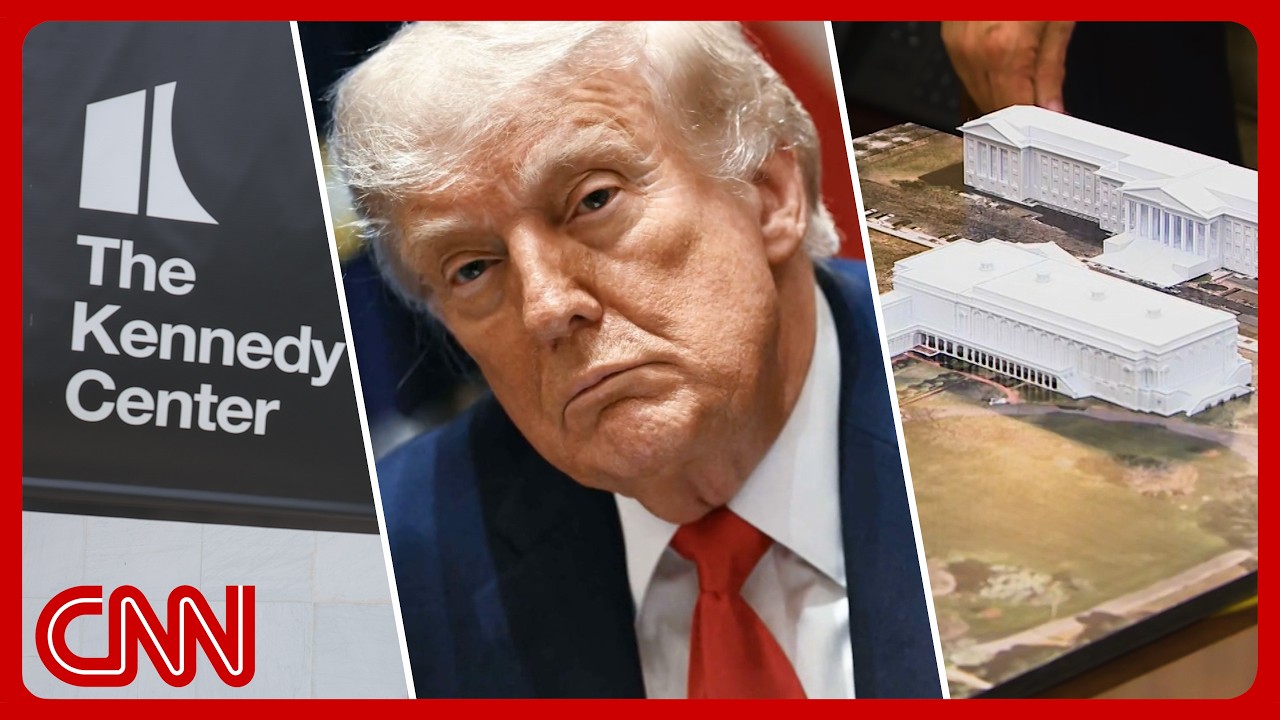
In the latest development surrounding the ongoing controversy over the Kennedy Center’s renovations, President Donald Trump has expressed his intention to continue the project, despite a federal court ruling that mandated the removal of his name from the building. Last week, a judge ordered that any further work related to Trump’s name be halted, stating that the Kennedy Center, a national memorial to John F. Kennedy, must preserve its integrity and intent.
Following the ruling, Trump declared he was uninterested in what he described as “a hopeless journey into Never Neverland.” His dismissal of the court’s authority raises questions about the interaction between the executive branch and the judicial system, particularly concerning his administration’s approach to legal rulings.
The Kennedy Center’s general counsel instructed staff members to remove Trump’s name by June 12, aligning with the court’s decision. Simultaneously, the Trump administration was engaged in legal proceedings to determine if it could proceed with the ballroom construction project. The Department of Justice maintained that no court could compel Trump to dismantle any part of the ballroom, asserting a controversial interpretation of executive power that many legal experts find untenable.
Elliot Williams, a legal analyst, labeled the administration’s stance as “ludicrous.” He argued that the belief in presidential authority being unchecked by the courts undermines the fundamental principles of the separation of powers, which are integral to American democracy. Williams emphasized that courts possess the authority to issue injunctions, even against actions taken by Congress or the president. This doctrine of checks and balances is designed to prevent overreach by any single branch of government.
The discussion took a dramatic turn when a hypothetical scenario was posed, questioning the legality of a government plan to bulldoze the Statue of Liberty. Williams noted that such an action would trigger immediate legal challenges, and inevitably, a court would issue a ruling against it. Ignoring such a ruling would signal a “constitutional crisis,” weakening the very foundations of American governance.
Amid these heated discussions, historical perspective emerged as vital to understanding the Kennedy Center’s significance. The Center was established by Congress in 1964 as a memorial to President Kennedy, emphasizing that monuments should honor deceased individuals, not living politicians. The Kennedy family has publicly expressed opposition to Trump’s name being attached to the memorial, reinforcing the notion that renaming such a site would distort its original purpose.
Legal analysts ponder the implications of Trump’s defiance towards the court’s ruling. They argue that such a stance not only risks undermining public confidence in the judiciary but may also set a precedent for future administrations to disregard legal frameworks. The potential for normalization of such behavior represents a danger to democratic institutions in the long term.
The debate extends to whether Trump should even be involved in the Kennedy Center’s future operations. While the president has described himself as the chairman of the Center’s renovations, there are growing calls for a separation between presidential duties and the management of cultural institutions. Experts stress that the Kennedy Center should remain nonpartisan and insulated from political influence.
As legal battles continue, it remains uncertain how Trump will navigate the ongoing tensions. His contradictory statements, where he has suggested transferring control of the Kennedy Center to Congress while simultaneously insisting on his involvement, complicate the situation further. Speculation abounds regarding the president’s motivations; whether he seeks to maintain his public profile or genuinely believes in the merit of the renovations is unclear.
While the complexities of the situation could evolve, one thing is evident: the discussions surrounding the Kennedy Center expose larger issues of governance, accountability, and the conduct of public officials in a politically charged climate. As the legal and cultural implications become ever more intertwined, the role of government in upholding constitutional integrity must remain a focal point, ensuring that public institutions serve all citizens equally, irrespective of political affiliations.