The Iran War Today: Key Developments on Day 106 of the US-Israel Conflict
On day 106 of the ongoing conflict involving the US, Israel, and Iran, geopolitical tensions have reached a critical juncture. Reports indicate that diplomatic negotiations are intensifying, with key developments emerging from Washington, Jerusalem, and beyond. In a landscape marked by uncertainty, conversations now pivot around a potential agreement between the United States and Iran, scheduled for signing this Sunday—a move that could reshape dynamics in the Middle East.
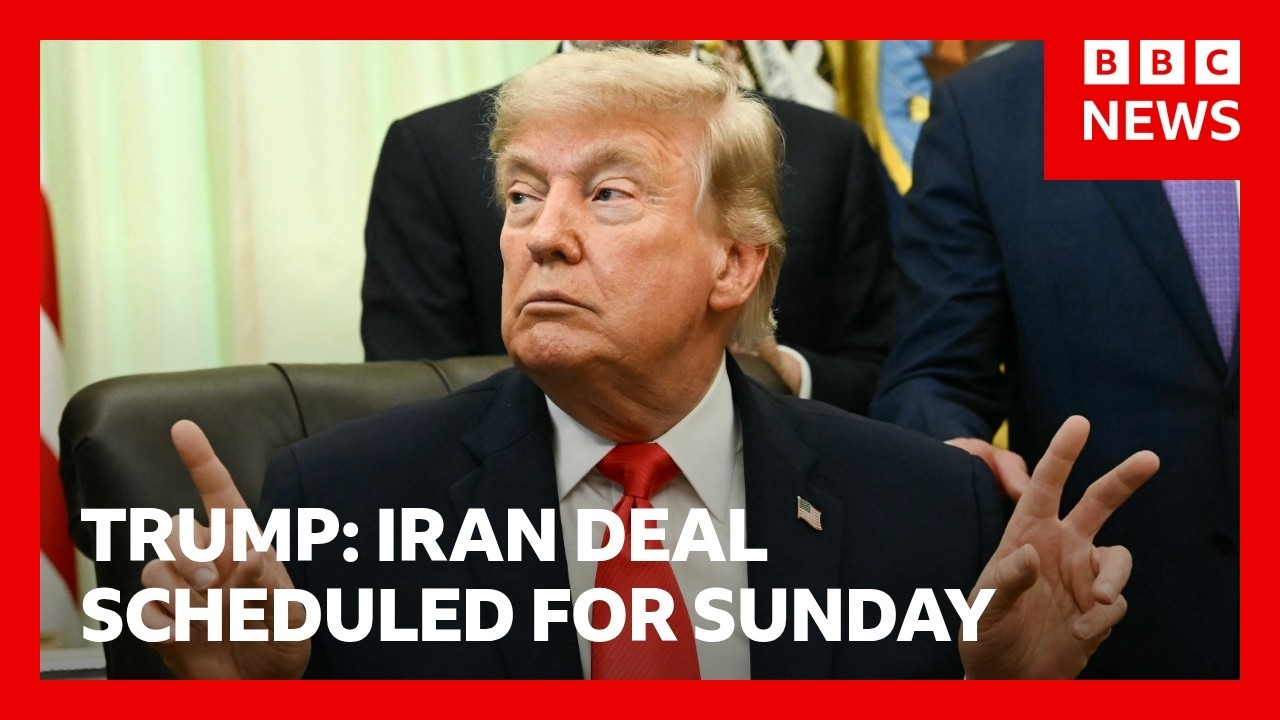
President Trump has been a vocal advocate for this impending deal, promoting it on social media platform Truth Social. He heralds its potential to reopen the strategically vital Strait of Hormuz, which has been a flashpoint for maritime tensions. Speculation fueled by Pakistan’s Prime Minister Shabbaz Sharif further indicates an optimism growing around the negotiations. Sharif stated, “We are closer to a peace deal than ever before,” suggesting that the finalization of terms may be just hours away.
However, Iran’s government is treading carefully. A representative from Tehran has cast doubt on the likelihood of an immediate agreement, warning that cautious evaluation remains essential. Iranian analysts emphasize the need for a phased approach, highlighting that previous negotiations, particularly those leading to the Iran nuclear deal, failed due to lack of trust and immediate compliance. The sentiment in Tehran echoes — pragmatism is crucial. An Iranian citizen voiced concerns, underscoring, “We have never broken our commitments. They were the ones who broke them.” This tension underlines the precarious nature of the talks.
In Washington, correspondent Thomas Morgan notes the political stakes for President Trump. As inflation in the US reaches levels not seen in three years, securing a peace deal could offer a respite to a public weary of conflict. Yet, analysts remind us that the agreement’s actual strength remains questionable. The outlines of the memorandum of understanding have emerged, focusing on the reopening of the Strait of Hormuz and the gradual unfreezing of Iranian assets, but offer little assurance that the contentious nuclear issue has been resolved.
Contrasting perspectives come from various stakeholders. Iranian hardliners exhibit skepticism, questioning America’s commitment to uphold its end of any agreement. International observers share mixed sentiments about whether this arrangement will fulfill or falter. While Pakistan plays a mediating role, tensions simmer between the US and India over maritime blockades that have arisen amidst the conflict.
In Jerusalem, correspondent Charlotte Gallagher indicates that Israel finds itself on the periphery of these discussions. The Israeli Prime Minister, Benjamin Netanyahu, has had sparse communication with President Trump, raising concerns about Iran’s ongoing military support for Hezbollah and the threat it poses to regional stability. Israel’s military operations in southern Lebanon persist, illustrating the complexities of negotiating peace while actively engaging in conflict.
The situation in Lebanon is dire. With Israeli airstrikes reported and renewed evacuations ordered, casualties continue to mount among civilians. Discussing the threat posed by Hezbollah, Israel remains steadfast in its military response, underscoring that negotiations with the Lebanese government do not include dialogues with Hezbollah itself, which complicates efforts for a comprehensive ceasefire.
As global focus shifts towards sports, Iran’s national football team prepares for its World Cup match against New Zealand in Los Angeles. Yet, the players’ situation exposes another layer of complexity; they are reportedly navigating travel restrictions which confine them to brief entries and exits into the US from neighboring Mexico.
The tensions surrounding the Iran and US negotiations, military actions in Lebanon, and the multifaceted issues involving international relationships showcase a world on edge. As talks progress, stakeholders from every corner remain watchful. The next 24 hours could provide crucial insights as the world waits for updates on the anticipated deal. The interplay between conflict, diplomacy, and economic pressure adds to the weight of decisions being made—and suggests that the outcomes will have lasting ramifications for the Middle East and beyond.
This is Nikki Schiller reporting for “Iran War Today,” where we will continue to follow developments closely as they unfold. Join us tomorrow for further updates.