Bill Pulte Appointed Acting Director of National Intelligence: A Controversial Choice for the Trump Administration
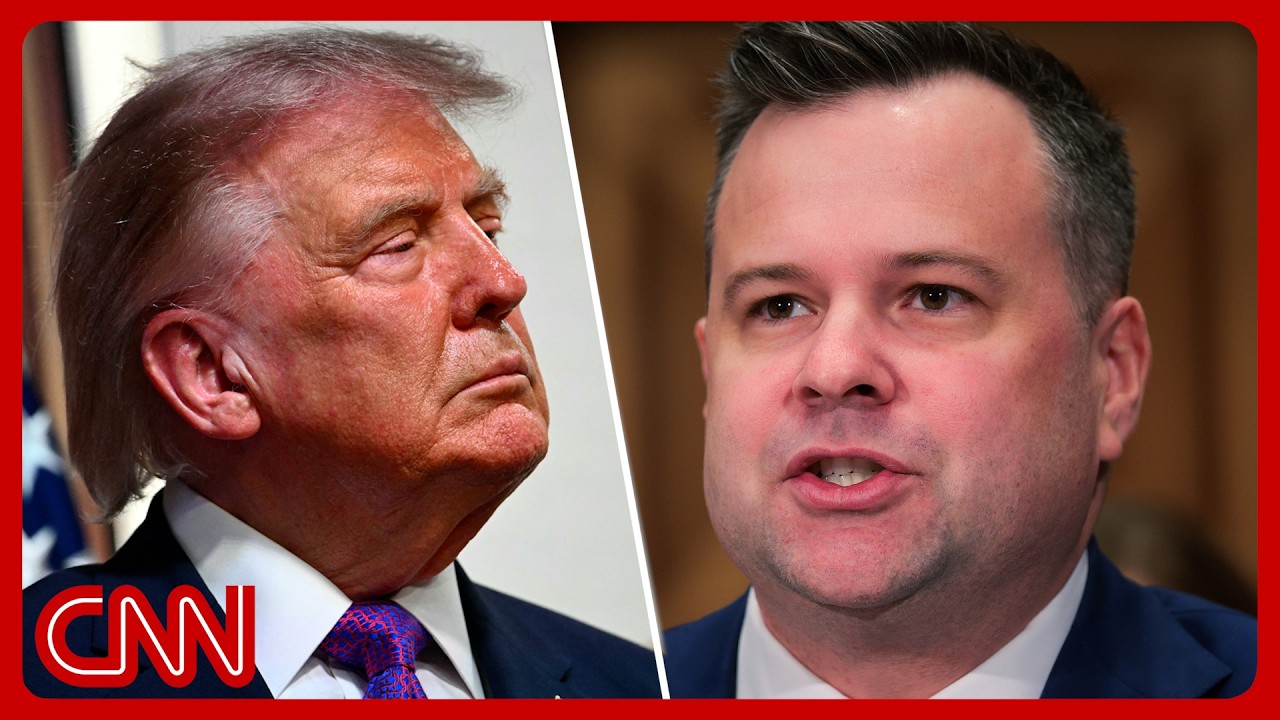
In a surprising move, President Donald Trump has appointed Bill Pulte as the acting director of national intelligence, succeeding Tulsi Gabbard. Pulte, who currently serves as the director of the Federal Housing Finance Agency, brings an unorthodox background to this critical position. Not only is this appointment unexpected, but it raises questions about the qualifications necessary to oversee the vast American intelligence community.
Pulte, an heir to a construction fortune, has no discernible experience in intelligence or national security matters. His primary focus has been on overseeing the nation’s mortgage agencies, particularly Fannie Mae and Freddie Mac, which collectively manage over $1 trillion in assets. While Trump highlighted Pulte’s experience in managing sensitive financial matters, the connection to national intelligence remains tenuous at best.
This appointment comes at a time when the director of national intelligence (DNI) has a crucial role in coordinating operations among the 17 intelligence agencies in the federal government. The DNI position was established after the September 11 attacks, underscoring the importance of centralized intelligence oversight. In Pulte’s case, however, the appointment suggests rather than an emphasis on traditional qualifications, loyalty to the president and the capability to execute a combative agenda are the priorities.
Kevin Liptak, a senior White House reporter, noted that Pulte has found ways to leverage his position at the Federal Housing Finance Agency. His efforts have included public allegations of mortgage fraud aimed at Trump’s perceived adversaries, including New York Attorney General Letitia James. While these actions have not led to significant legal repercussions, they have arguably earned him goodwill with the president, positioning him favorably for this new role.
Pulte’s appointment also signals a shift in Trump’s reliance on intelligence leadership. Tulsi Gabbard’s tenure saw limited interaction with the president concerning intelligence matters. Instead, Trump turned to the CIA director for necessary insights, indicating a preference for a more flexible and politically aligned approach to intelligence gathering. By selecting Pulte, a known loyalist, the administration appears to prioritize allegiance over conventional intelligence expertise.
This decision is emblematic of a broader trend in Trump’s appointees, where personal loyalty often trumps professional qualifications. While Pulte’s management of financial risks may lend some credibility to his role overseeing sensitive data, it raises broader concerns about the independence and integrity of intelligence operations. Critics and analysts are left questioning whether the DNI position will serve its intended purpose of national security or devolve into a tool for political expediency.
While Trump has not indicated if Pulte will be appointed permanently, his Senate confirmation for the housing agency could allow him to remain in the DNI role for an extended period. As the acting director, there’s speculation about whether he will utilize his new authority to further Trump’s agenda of targeting political adversaries.
Although the White House has yet to articulate how Pulte’s experience in mortgage finance translates to intelligence oversight, the implicit message seems clear. Pulte has already demonstrated a willingness to exploit his current role to engage in retribution tactics; thus, it’s not unreasonable to assume that he may continue this pattern in the intelligence community.
As America navigates increasingly complex global threats, the implications of having a director without traditional intelligence experience should be closely monitored. Pulte’s role will be scrutinized not only for his ability to manage the intricate workings of the intelligence community but also for his approach to fulfilling what some may view as politically motivated ends.
Ultimately, the appointment of Bill Pulte as acting director of national intelligence exemplifies the Trump administration’s ongoing struggle to balance loyalty with competence. As debates continue about the integrity of intelligence operations, one thing remains certain: the landscape of American national security is shifting, and the consequences of this decision could resonate for years to come.