The Unraveling of Trump’s Media Relationships and Implications for the GOP
In a surprising turn of events, former President Donald Trump has publicly criticized prominent allies in the conservative media landscape, particularly figures like Tucker Carlson and Megyn Kelly. This unexpected break has implications not only for Trump’s relationships with these influencers but also reflects a wider crisis within the Republican narrative regarding the ongoing war in Iran.
Trump’s recent comments about Carlson were notably harsh. In a social media post, he remarked on Carlson’s academic background, suggesting he was “a broken man” since his ousting from Fox News. This verbal onslaught isn’t merely personal; it showcases a rift between Trump and his once-strong media supporters over critical issues like foreign policy.
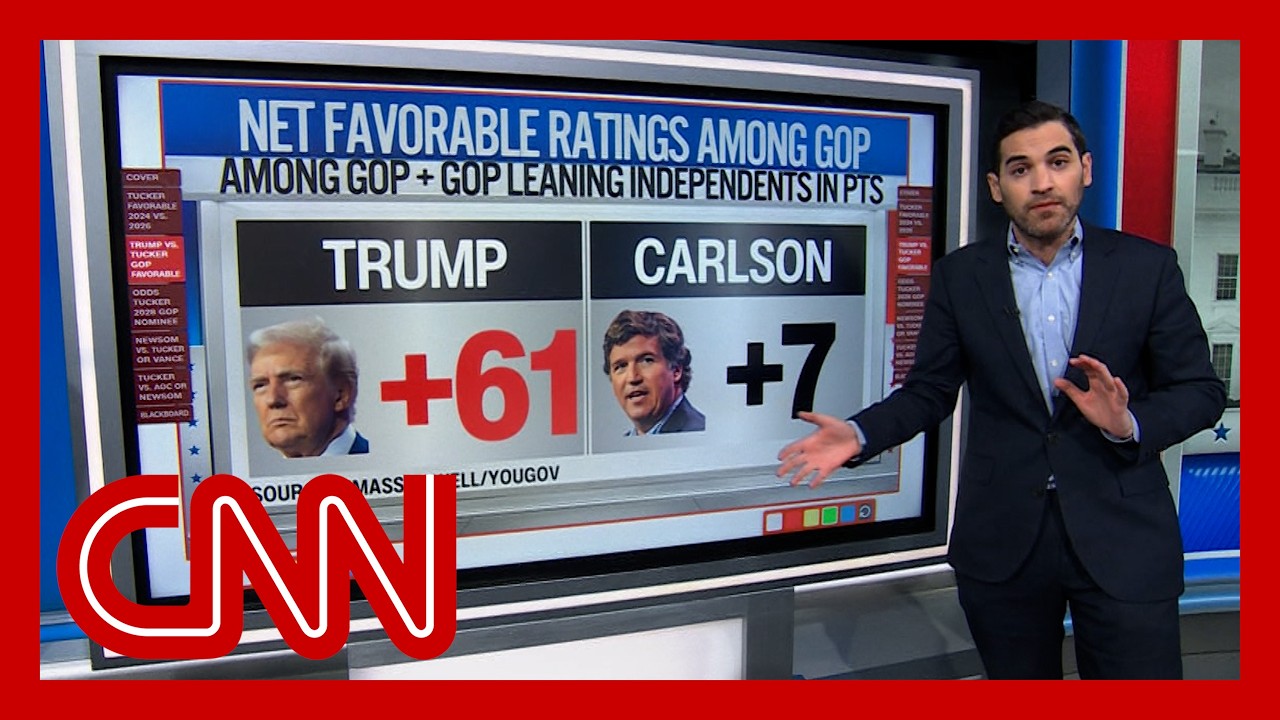
Harry Eton, a CNN chief data analyst, has provided insights into the fallout of this animosity. Eton highlighted the dramatic decline in Carlson’s popularity among Republican voters. Just a few months ago, Carlson boasted a net favorable rating of plus 54 points among this demographic. That figure has now plummeted to a mere plus seven points, a staggering drop of 47 percentage points. This shift suggests that aligning against Trump—especially on issues like the war in Iran—can have dire consequences for a commentator’s standing within the party.
Polling data underscores this shift. While Trump enjoys a net favorable rating of plus 61 points, Carlson’s popularity has waned considerably, demonstrating clear loyalty among Republicans towards the former president. The ramifications extend beyond media commentary; they could affect electoral prospects for anyone daring to challenge Trump’s influence within the party.
The future of Carlson’s potential political ambitions, such as a run for the GOP presidential nomination in 2028, appears bleak. Current prediction markets assign him only a 5% chance of becoming the Republican nominee. This statistic starkly contrasts with other candidates, such as JD Vance and Marco Rubio, who are polling significantly better.
The implications are even broader when considering hypothetical matchups against likely Democratic candidates like Gavin Newsom. Polls suggest Carlson would struggle considerably against Newsom, trailing by 11 points. This positions Carlson as not just unpopular among Republicans but also as toxic for general election prospects.
The divide among conservative media figures is striking. Names like Carlson, Kelly, and others are beginning to distance themselves from Trump, especially over contentious issues like military engagement. Recent surveys indicate that while Trump may maintain a grip on a solid portion of the Republican base, figures within the MAGA sphere are voicing dissent. Critics express their discontent with Trump’s inflammatory remarks regarding military strategy, describing them as “vile” and calling for a return to rational discourse.
Interestingly, it’s not just traditional media voices that are shifting; the wider podcasting landscape also plays a significant role. Many of the highest-ranking podcasts on platforms like Spotify feature hosts who once supported Trump but are now critiquing his stance on the war. This shift could influence a more casual voter base—individuals who might not typically engage deeply with politics but are swayed by accessible commentary.
Ultimately, the divide within the conservative media ecosystem raises important questions about Trump’s continuing viability as a leader of the GOP. Public polling shows that majorities of Republican voters currently support the war in Iran, yet dissenting voices are emerging within Trump’s circle. This fracture could prove problematic, particularly when considering the pivotal role of independents in upcoming elections. These voters often lack a strong ideological affiliation, rendering them susceptible to shifts in messaging.
As political landscapes evolve, it will be crucial for both Trump and his Republican counterparts to navigate the tumultuous waters of public opinion and media relationships. Immediate challenges loom, but the political terrain can shift rapidly. Observers will be keenly watching how this conflict between Trump and conservative media unfolds and what it means for the future of the Republican Party.