The Political Landscape: Understanding Key Issues Ahead of the 2026 Elections
As the political climate shifts towards the 2026 midterm elections, the focus on affordability has intensified, particularly among Republican lawmakers. For many, listening to former President Donald Trump’s recent remarks may evoke a sense of dread about the implications for their political futures. The rising concern surrounding affordability metrics, exemplified by a staggering 500% increase in Google searches this week, underscores a pressing issue for constituents.
When Trump campaigned, his promises were centered on alleviating economic burdens, especially concerning housing and healthcare. Despite his efforts, recent data suggests he is falling short of these commitments. A review of public sentiment reveals that only 40% of voters now believe he is keeping his campaign promises, down from 52% in 2025. This decline has serious ramifications for Republican incumbents heading into the midterms. The political stakes are high, with many Republicans anxious about whether Trump’s declining popularity on economic issues will trickle down to affect their own standings come November.
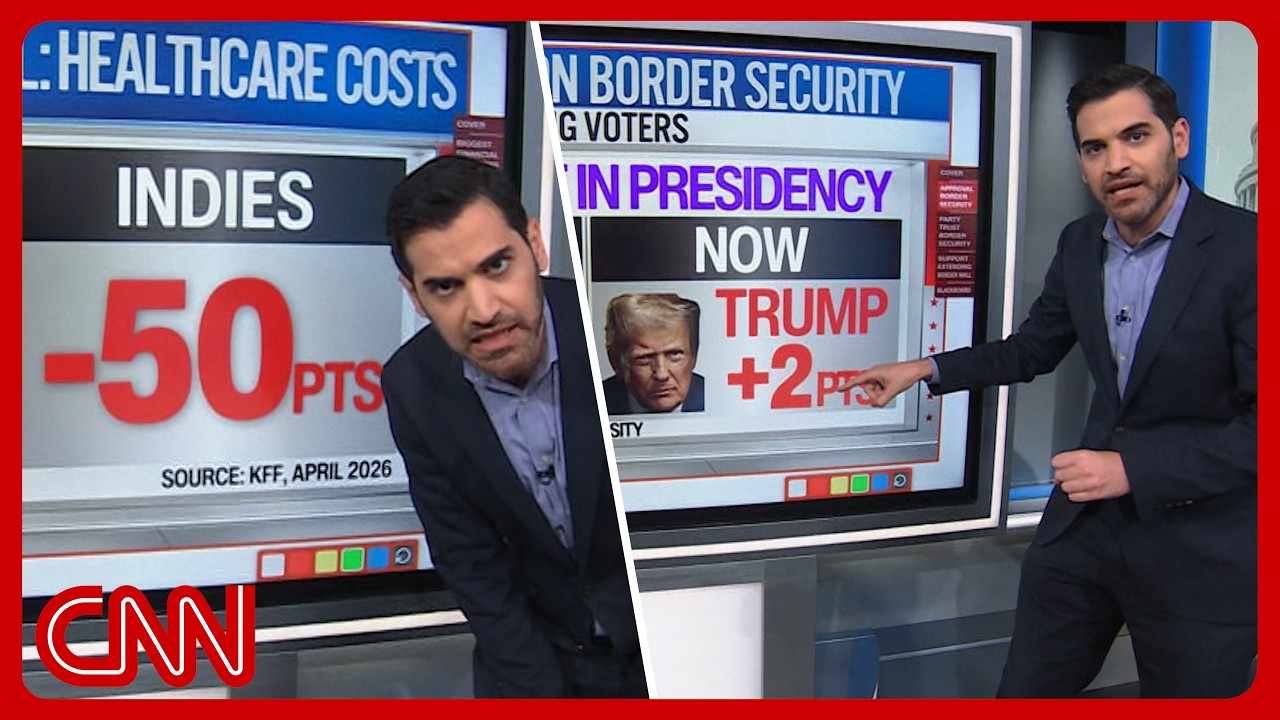
Healthcare costs, a significant concern for many Americans, have emerged as a focal point for both parties. A recent survey indicates that 22% of the population identifies healthcare as their primary financial worry, outpacing concerns about food and housing. This presents an opportunity for Democrats, who currently hold a 21-point advantage over Republicans on healthcare-related issues. Historically, such popularity has resulted in substantial gains during midterm elections. In 2018, for instance, Democrats reclaimed 40 seats in the House, capitalizing on their advantage in healthcare discourse.
Simultaneously, the economic landscape remains fluctuating. Only 7% of voters, according to current predictions, believe there’s a real chance of extending Affordable Care Act (ACA) subsidies that many Americans have come to rely on. If Democrats manage to re-engage with the healthcare issue effectively, they could harness dissatisfaction with rising costs to further bolster their electoral positions.
The Republican approach has yielded contrasting results, particularly concerning border security—another critical issue in the upcoming elections. Recent polling illustrates that Trump’s administration holds a positive net approval rating in this arena, unlike President Biden, who faced a significant deficit. Among independent voters, Republicans are seen as far more trustworthy on border security, commanding a 30-point advantage.
Interestingly, a shift in public opinion regarding border security measures, like extending the border wall, signals increased acceptance since Trump’s initial term. The majority now supports building upon existing measures, contrasting sharply with the sentiment during his first term in 2019 when opposition was more prevalent.
Beyond these primary concerns, the political narrative is further complicated by the rise of Democratic Socialists within the party. The favorable views of socialist policies among Democrats have sharply diverged from the broader electorate’s perspective, causing anxiety among traditional Democrats as well as Republicans. While the popularity of candidates advocating for socialist policies is rising in urban settings, it remains a contentious issue nationwide, making it a potential liability in more moderate districts.
The recent surge in interest surrounding the Democratic Socialist of America (DSA) indicates not only a shift in party dynamics but also reveals electoral vulnerabilities that Republicans could exploit. Given the disparity between how Democratic socialism is perceived among different voter blocs, Republicans are seizing the opportunity to redefine the campaign narrative to their advantage.
Lastly, the prediction markets illustrate a volatile landscape—pointing toward significant losses for Democrats in primaries, highlighting the susceptibility of incumbents to challenges from within their party. The chance that a considerable number of Democratic incumbents might lose their seats in primaries reflects growing dissatisfaction within their voter base and poses formidable challenges for Democrats as they navigate the upcoming electoral battleground.
As the 2026 elections draw closer, it is evident that both parties are grappling with critical issues that resonate deeply with American voters. The focus on affordability, particularly regarding healthcare and housing, coupled with border security, will shape the strategies and narratives of Republican and Democratic candidates alike. The results of these midterm elections will ultimately depend on how each party mobilizes its base and addresses the concerns of the broader electorate.