Tensions Rise: President Trump’s Threats to Iran Escalate Conflict in the Strait of Hormuz
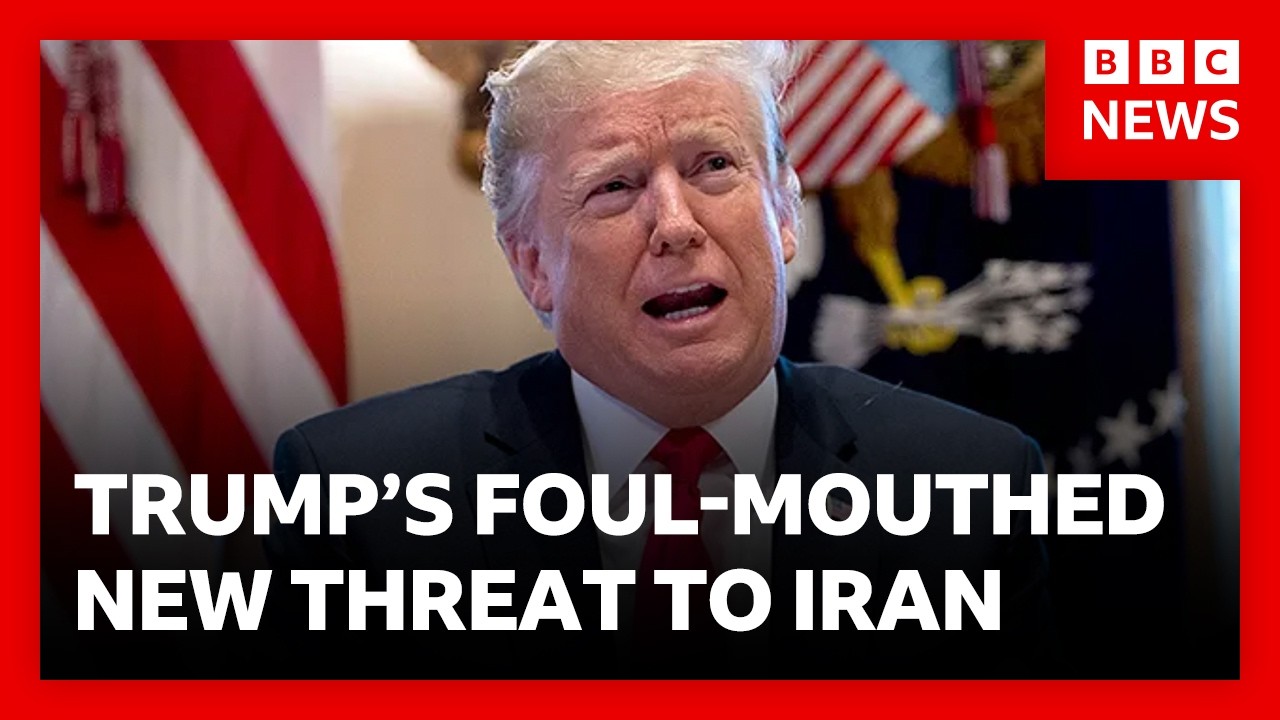
In a striking escalation of rhetoric, President Donald Trump has issued a stark ultimatum to Iran: reopen the Strait of Hormuz or face severe consequences. The President’s threats, laden with incendiary language, raise pressing questions about international law and the potential for widespread conflict. Trump’s deadline looms, and what was initially perceived as a negotiating tactic may exceed the boundaries of acceptable military action.
The backdrop to this warning is a recent military operation that led to the dramatic rescue of a U.S. airman whose fighter jet had been shot down over Iran. As Trump heralded the mission as "miraculous," the complexities and risks of potential military outcomes have grown exponentially. The airman, whose F-15E jet was lost during operations deep within Iranian territory, was recovered despite the perilous nature of the mission. Images of U.S. C130 transport planes that were destroyed during the search serve as a testament to the mission’s high stakes.
While the rescue may have momentarily bolstered U.S. public morale, it has also drawn attention to the precarious situation in the region. Iran, faced with increasing military actions against its infrastructure, has fortified its grip on the Strait of Hormuz, a critical chokepoint for global oil supplies. As the waters of the Strait are effectively closed to moving cargo, the implications for global trade, energy prices, and regional stability become increasingly dire.
Trump’s belligerent ultimatum—warning Iran to open the Strait "or you’ll be living in hell"—has drawn condemnation from human rights advocates and legal experts alike. Critics argue that targeting Iran’s infrastructure, specifically power plants and bridges, for purposes beyond immediate military necessity could classify as a war crime. The language of retribution within the announcement complicates an already fraught political landscape, suggesting that Trump views destruction of civilian infrastructure as leverage in negotiations rather than as combat strategy.
Responses from Iranian officials indicate a mix of defiance and dismissal. They seem to perceive Trump’s threats as bluster, potentially viewing the President as hesitant to follow through with such drastic measures. Nonetheless, Iran’s own military has indicated that any U.S. strikes will be met with retaliation, signaling a willingness to escalate tensions further.
Meanwhile, the economic ramifications are escalating. The blockade on the Strait of Hormuz—not just a military maneuver but a strategic economic weapon—has already affected oil prices and global supply chains. Historically, this waterway accounts for 20% of the world’s oil and liquefied natural gas. Current restrictions have driven the daily throughput down from around 130 vessels to merely five or six. This reduction is likely to exacerbate energy prices in the global market, sending ripples through economies worldwide.
On the ground, the atmosphere near the Strait is tense. While it may seem calm, the reality is fraught with potential for violent confrontation. The risks are not merely theoretical; ships navigating these waters face threats from Iranian drones and missiles, and concerns regarding naval mines further complicate the situation. Sensing vulnerability, any external military intervention to ensure safe passage would require meticulous planning and significant risk.
As we stand at this pivotal crossroads, the consequences of U.S.-Iran tensions extend well beyond the immediate conflict. The threat of wide-scale destruction looms, not just for Iranian infrastructure but for the entire region and beyond. If negotiations fail and military actions escalate, we could witness a generational conflict that impacts global stability and economic health.
In summary, President Trump’s confrontational stance against Iran is compounded by a complex web of military, economic, and diplomatic challenges. The ramifications of his threats will reverberate far beyond the borders of the Middle East, demanding careful scrutiny and thoughtful engagement from all parties involved. The international community watches closely; the stakes have never been higher.