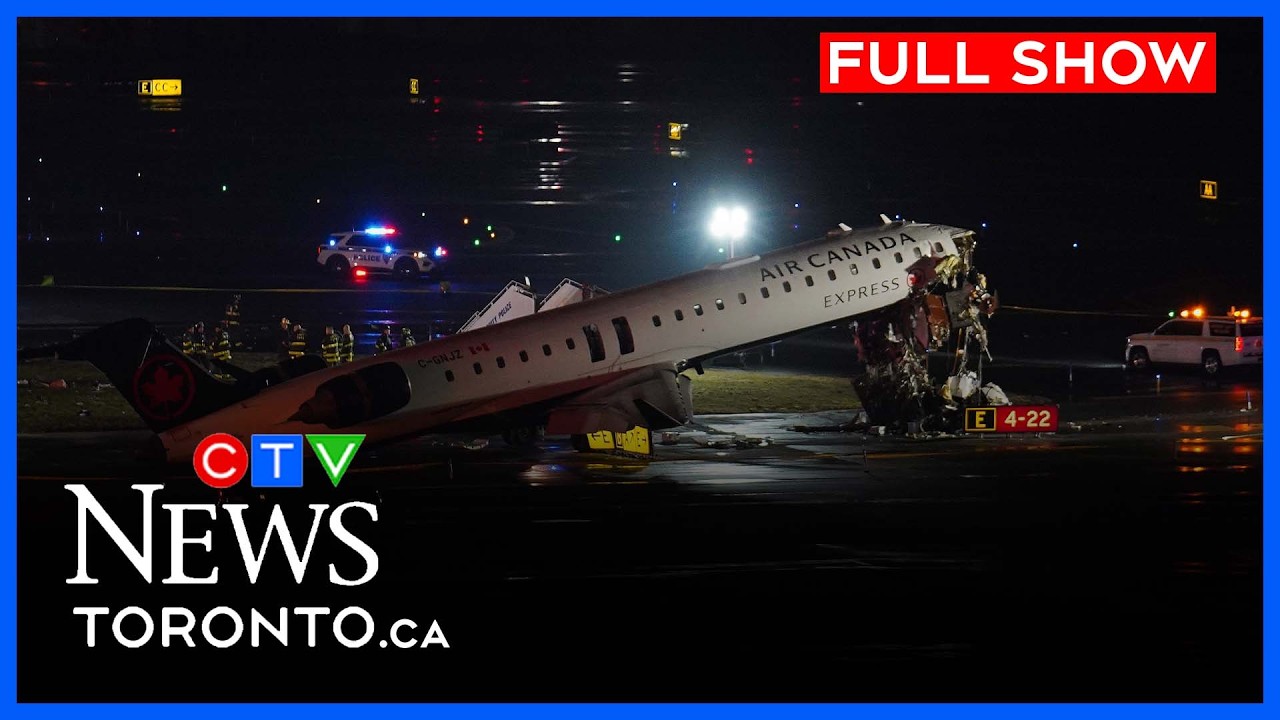
Tragic Air Canada Express Crash: A Day of Mourning and Investigation
In a harrowing incident that has left a profound impact on the aviation community and beyond, an Air Canada Express jet crashed into a fire truck at LaGuardia Airport in New York shortly after landing, resulting in the tragic deaths of two pilots and injuring more than 40 individuals. This devastating accident unfolded around 11:40 p.m. on a fateful Sunday, causing an immediate emergency and grounding flights for much of the day.
The Collision and Immediate Aftermath
The CRJ 900 aircraft, operated by Jazz Aviation, collided nose-first with the Port Authority fire truck as it was responding to an unrelated emergency. The audio recordings from the Air Traffic Control tower capture the frantic moments leading up to the crash, revealing a chaotic scene exacerbated by communication missteps. Despite the prompt arrival of emergency services, the unfortunate reality was that both pilots, Antoine Ferry and another unnamed individual, were pronounced dead shortly thereafter.
Witnesses onboard recounted the sheer terror of the moments following the collision. Screams filled the cabin as confusion reigned. A flight attendant, Solange Tremblay, was discovered nearly 100 meters from the wreckage, highlighting the chaotic and disorienting nature of the incident. Tremblay underwent surgery and is currently in recovery.
The Human Impact
In the wake of the tragic accident, many passengers were treated for various injuries, with some remaining in serious condition. The emotional toll cannot be understated; family and friends of the deceased pilots are grappling with loss, while survivors reflect on the harrowing experience.
Sara Dorner, whose husband was aboard, portrayed the urgency that enveloped the cabin as she recounted her husband’s encouragement for fellow passengers to evacuate quickly amid fears of a gas leak. The human spirit in crisis was palpable, showcasing bravery amid chaos.
Investigations Underway
In the wake of the collision, the investigation has been undertaken by multiple authorities, including Canada’s National Transportation Safety Board, which has dispatched a team of experts to scrutinize the crumpled wreckage. They aim to understand how such a calamity could occur in a controlled airport environment. Early assessments suggest potential lapses in communication between ground personnel and air traffic controllers, highlighting the importance of thorough investigations into operational protocols.
Airport operations were severely affected, with LaGuardia closing for the majority of the day, disrupting travel plans for thousands. By midday, flights began to resume, yet the ripple effects were felt far and wide, as passengers across North America dealt with cancellations and delays in the aftermath of this harrowing crash.
Responses from Authorities and the Public
The incident has elicited a strong response from both aviation authorities and the public. Many travelers expressed sorrow for the victims while highlighting the need for improved safety protocols to prevent such tragedies. Throughout the airport, sentiments ranged from shock to calls for accountability, particularly in light of what appears to be human error during an especially stressful operational circumstance.
Ontario-based travelers related their unease with flying in the wake of the incident, underscoring the psychological impact of aviation accidents. Even among seasoned flyers, the gravity of the situation resonates deeply, urging a societal reflection on air travel safety.
Conclusion
As investigations unfold, and as the aviation community reflects on this tragic day, one thing remains clear: the loss of skilled pilots and the impact on their loved ones stands as a sobering reminder of the potential dangers inherent in air travel. The stories of those affected by this crash are profound; they illustrate not only the fragility of life but also the essential human connections that endure even in the face of tragedy.
In the coming months, as findings are released and discussions regarding improvements are initiated, a collective hope emerges that such an incident may never occur again, ensuring that all who travel can do so with safety and security in mind.