Rising Tensions in the Middle East: The U.S. Closes Embassies Amid Iranian Threats
In a significant escalation of geopolitical tensions, the United States has temporarily closed its embassies in both Saudi Arabia and Kuwait, following a series of suspected Iranian drone attacks targeting American assets. These developments coincide with a marked increase in retaliatory actions by Iran against U.S. interests across the Middle East, raising urgent concerns for American citizens and military personnel in the region.
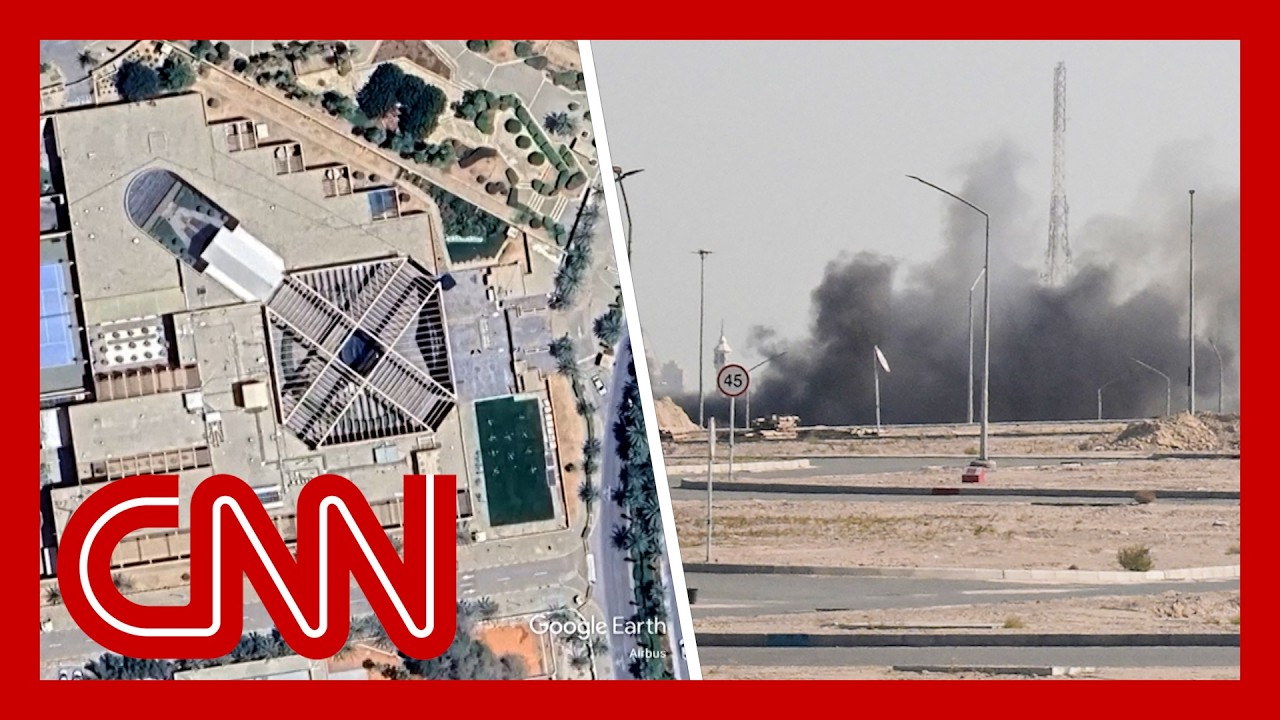
Recent reports indicate that strikes near the U.S. embassy in Riyadh resulted in damage but fortunately, no casualties were reported. The Iranian strikes have drawn immediate attention to the delicate balance that the Saudi government must maintain amid this violent backdrop. The U.S. State Department has issued a “shelter in place” order for its diplomatic missions in Saudi Arabia and has emphasized the need for Americans to exit the region as soon as possible. This sweeping evacuation order also extends to non-essential personnel in the United Arab Emirates, Qatar, Bahrain, Jordan, and Iraq.
CNN’s Nic Robertson, reporting from Saudi Arabia, noted that the attacks outside the embassy highlight Iran’s willingness to reach further into territories closely aligned with the U.S. The lack of definitive goals from the Biden administration further complicates the context, as both the U.S. and its allies grapple with how to respond to Iranian aggression. The Iranian regime’s actions seem to be aimed at exerting pressure on nations in the Gulf that maintain robust relationships with Washington.
In addition to targeting embassies, Iran’s recent military actions have included a strike on a civilian port in Kuwait, resulting in the deaths of six U.S. servicemen. This incident underscores the rapid escalation of hostilities, as U.S. Central Command confirmed the fatalities while also addressing the alarming trend of increased attacks against American forces in the region.
Counter to Iranian tactics, Saudi Arabia has intercepted numerous drones, demonstrating a defensive posture aimed at safeguarding its national security and critical infrastructure. Robertson relayed that Saudi authorities are increasingly drawn into what is perceived as a conflict between the U.S. and Iran, a situation complicated by the broader geopolitical implications. Intercepted drones have led to minor damage at key military installations and oil refineries, raising alarms over the stability of Saudi Arabia’s energy resources, crucial to global markets.
The situation has driven Gulf nations that have traditionally been reticent to act against Iran, such as Qatar and Oman, to reconsider their positions. For instance, Qatar recently shot down two Iranian aircraft, an unprecedented action that signifies a potential shift in alliances. The Lebanese government’s decision to restrict Hezbollah’s military activities adds another layer to this changing dynamic, indicating a growing urgency among regional actors to confront Iranian influence.
Moreover, Iran’s threats to close the Strait of Hormuz, a pivotal maritime chokepoint for global oil transportation, are particularly alarming. This strait plays a crucial role, with approximately 20% of the world’s oil passing through it. A sustained Iranian blockade could not only disrupt global oil markets but also precipitate an international crisis that compels a broader response from Western nations.
The Biden administration faces a pressing challenge as it navigates these escalating tensions. Analysts suggest that the potential for further military action from the Gulf states may be increasing, particularly as they rally against Iranian provocations. A unified response from these countries could shift the balance of power in the region and alter Iran’s calculations moving forward.
In conclusion, the current state of affairs in the Middle East reveals a precarious situation requiring deft diplomatic maneuvering. As tensions heighten, the U.S. must balance its responses with strategic foresight, ensuring that its actions do not exacerbate an already volatile environment. The stakes are high, and the unfolding events are a crucial reminder of the complex interplay of regional alliances and rivalries in the pursuit of stability and security.