Rising Tensions in the Middle East: The Impact of U.S. Military Moves and Community Responses
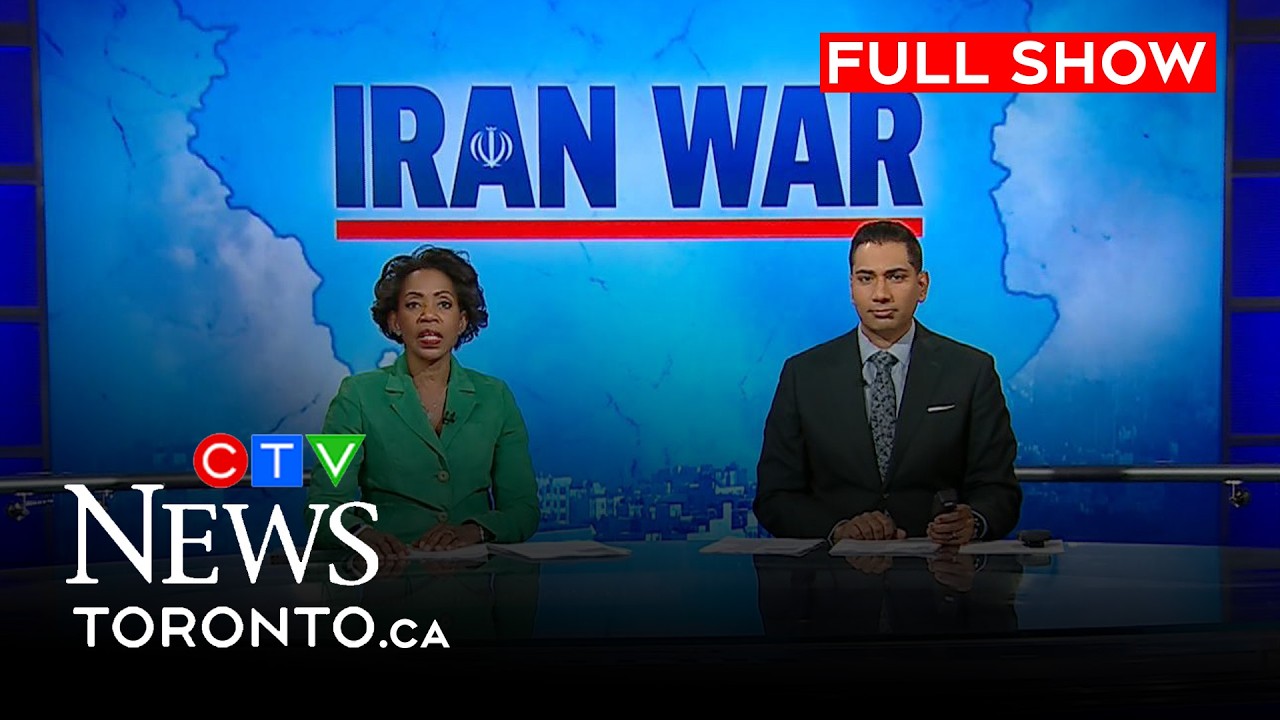
The geopolitical landscape in the Middle East has shifted dramatically following the recent breakdown of peace negotiations between the United States and Iran. U.S. President Donald Trump announced plans to blockade the Strait of Hormuz, a crucial maritime corridor for global oil supply, beginning Monday morning. This announcement follows extensive talks led by Vice President JD Vance, which reportedly lasted over 21 hours and failed to yield an agreement.
Vance expressed disappointment, stating that while several issues were discussed, the Iranian delegation remained unwilling to accept U.S. terms for a ceasefire. “We just could not get to a situation where the Iranians were willing to accept our terms,” he said. The prolonged discussions have left a two-week ceasefire extension in jeopardy, escalating uncertainty and tension in the region.
The U.S. military has clarified that the planned blockade would be impartial, affecting all vessels attempting to enter or exit Iranian ports. However, it reassured that freedom of navigation for ships heading to non-Iranian ports would not be impeded. The effects of such a blockade are significant; the Strait of Hormuz is vital, with approximately one-fifth of the world’s oil passing through it daily.
Back in North America, the Iranian community responded to the news of failed talks with a rally at Nathan Phipps Square, advocating for peace and solidarity with the Iranian people. The event, organized by the Iranian Collective for Peace and Justice and other local activist groups, drew a crowd of supporters who condemned the conflict, arguing for the importance of self-determination without foreign intervention. One speaker lamented the challenges faced by Iranians, stating, "The region does not need this war, and we are here for the self-determination of the Iranian people."
Counter-protesters expressed support for U.S. and Israeli military efforts, showcasing a divide in public sentiment regarding intervention and foreign policy in the Middle East. Tensions flared as both sides attempted to voice their opinions, leading local law enforcement to establish a buffer zone to maintain order.
This polarization reflects the deeper complexities of foreign policy in the region. While the U.S. aims to curb Iran’s nuclear ambitions, the ripple effects of a blockade could destabilize not just regional politics but also the global energy markets. The U.S.’s warning against allowing Iran to profit from oil sales to specific nations raises questions about the ethical implications of such military actions. As energy supplies become increasingly uncertain, the impact can be felt broader than just the Middle East.
In the realm of local response, the ongoing conflict has strained connections between Iranians abroad and their families in Iran, with reports of communication blackouts complicating matters for many. The Iranian community’s calls for an end to hostilities resonate deeply, as families are torn apart not just by political divisions but also by the personal toll of warfare.
Further complicating the narrative is the growing concern over the potential consequences for global energy supplies and vacation plans as travelers worry about access to jet fuel. Some analysts predict that if the Strait remains closed for an extended period, the repercussions could lead to systemic shortages affecting airline operations.
As discussions continue, the immediate future remains bleak. The expected blockade may not only strain U.S.-Iranian relations but also complicate the dynamics with allies and adversaries alike. The fault lines between local communities—those advocating for peaceful resolutions and those supporting military interventions—will continue to shape the public discourse, forcing citizens to confront the complex interplay between foreign policy and human rights.
The failure to reach a diplomatic solution underscores the urgent need for renewed dialogue and a reassessment of approaches to conflict resolution in this historically volatile region. The road ahead may be challenging, but the call for peace from communities affected by the conflict offers a glimmer of hope amid rising tensions.