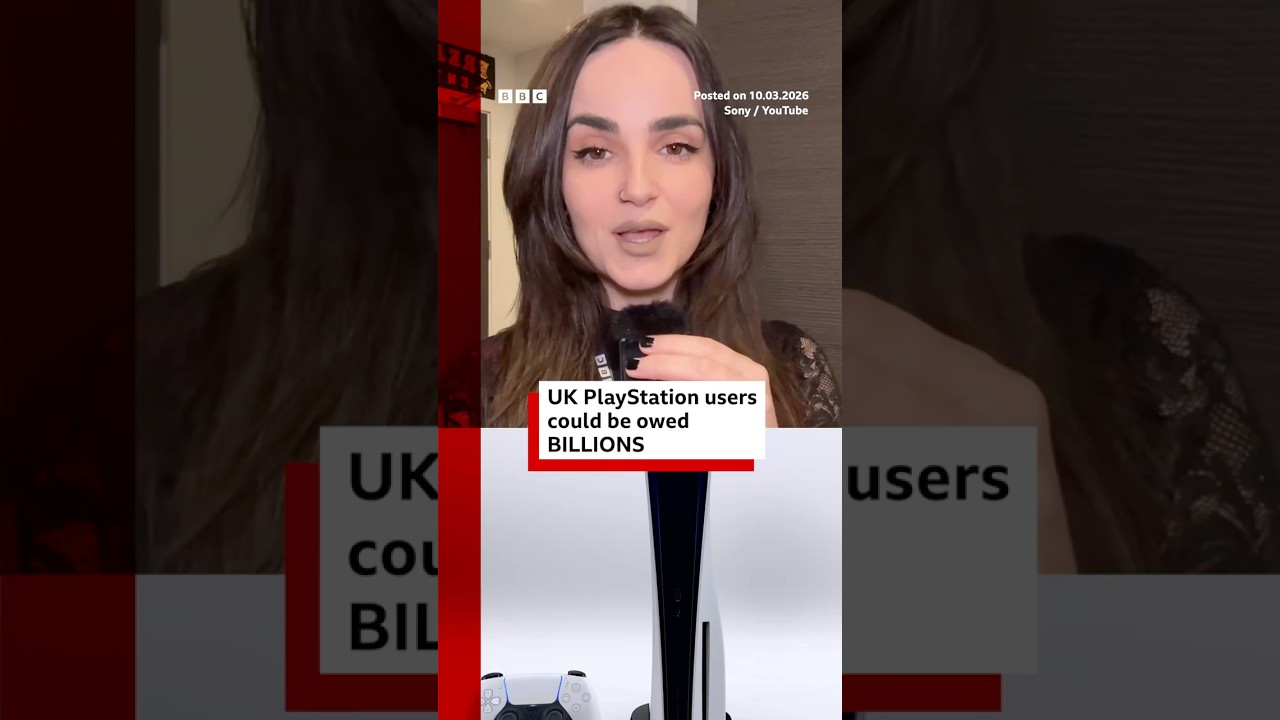
UK PlayStation Users Could Be Entitled to Billions in Class Action Settlement
In a significant development for gamers in the UK, a £2 billion class action against Sony Interactive Entertainment has commenced. This legal challenge could potentially affect millions of PlayStation users who may be entitled to financial compensation due to Sony’s longstanding business practices.
The crux of the issue lies in allegations made by consumer campaigner Alex Neill, who claims that Sony has maintained a closed ecosystem for its digital game sales over the past decade. This restrictive approach has purportedly limited consumers’ ability to purchase digital titles from any source other than the PlayStation Store. As a result, critics argue that Sony has been able to set prices in a manner that stifles competition.
According to legal representatives involved in the case, this lack of competition has allowed Sony to impose what they term an “excessive and unfair” 30% margin on digital games and in-game purchases. This margin is particularly noteworthy as it affects a vast array of titles and in-game content that has become increasingly popular among gamers.
If you have purchased any digital PlayStation game or in-game download within the last ten years, up to February 2023, you might be automatically included in this class action lawsuit. This revelation is eye-opening for approximately 12.2 million consumers who could receive an estimated payout of £162 each, should the case succeed.
Sony’s response to these allegations has been defensive. The company contends that its official store offers superior privacy protections for consumers. Furthermore, Sony argues that sales from its digital marketplace are vital for funding ongoing investment in its gaming consoles and services. This claim calls into question the balance between corporate profit margins and consumer rights within a competitive marketplace.
The implications of this case extend beyond financial compensation. It raises critical questions about the structure of digital marketplaces and the power dynamics between large corporations and individual consumers. The notion of a "closed ecosystem" has significant ramifications for market competition and consumer choice. If companies like Sony can operate without substantial competition, consumers may face increased prices and fewer options, ultimately diminishing their gaming experience.
Moreover, this class action is not just about Sony. It shines a light on the broader practices in the gaming industry, particularly in how digital content is monetised. As gaming continues to evolve, there’s an imperative for greater transparency and fairness in how companies like Sony conduct their business.
This case also underscores the importance of consumer advocacy in an increasingly digitalised world. Campaigners like Alex Neill play a vital role in bringing attention to potentially exploitative practices and advocating for fair treatment of consumers. As legal proceedings unfold, their efforts may shape the future landscape of digital gaming, promoting a more equitable environment for consumers.
For many, gaming is not merely a hobby but a significant aspect of daily life. The prospect of receiving compensation from a major corporation can be both empowering and liberating. However, the broader implications of this case may have lasting effects on how digital marketplaces operate, not only in the UK but potentially around the globe.
As this litigation progresses, it offers a unique opportunity for consumers to reclaim some of their rights. The compensation involved may serve as a symbolic gesture against corporate overreach, promoting a marketplace where gamers are afforded greater choice, better pricing, and improved services.
In conclusion, the £2 billion class action against Sony presents an important juncture for PlayStation users. The outcome of this case could reshape the consumer landscape in digital gaming, challenging outdated business models while advocating for a fairer approach to pricing and availability in the industry. As such, both gamers and consumer advocates will be keeping a close eye on the developments that lie ahead.