Discontent in the Alliance: President’s Call for Support in the Strait of Hormuz
In recent discussions, President Trump has expressed significant discontent with American allies regarding the situation in the Strait of Hormuz, a crucial passage for global oil traffic primarily controlled by Iran. The President has highlighted that while this issue may not directly impact the United States, it is undeniably tied to the global pricing system that affects energy markets worldwide. Consequently, the U.S. faces a precarious economic situation if allies do not step up to support efforts to maintain open waterways.
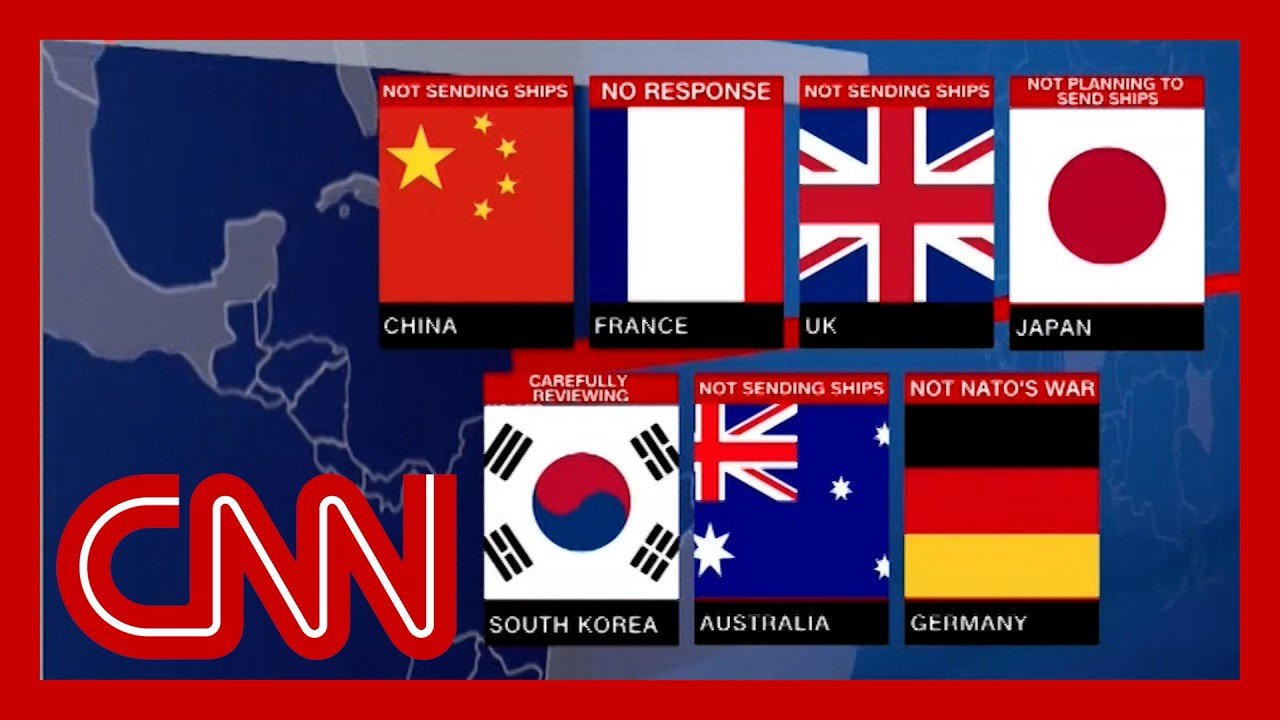
The core of Trump’s frustration seems to lie in the perceived lack of urgency and commitment from NATO allies. In a striking tone, he underscored that numerous countries have expressed willingness to assist, though enthusiasm levels vary widely. Some nations, which the U.S. has long protected from external threats, appeared tepid in their response to a request for assistance in escorting tankers through this vital shipping lane.
This latest bout of criticism from the President is not just a fleeting moment of frustration; it is underscored by a long-standing belief that the NATO alliance has often benefited other member nations more than the United States itself. Trump remarked on his consistent concerns over whether the U.S. should shoulder the burden of protecting allied nations without reciprocal actions from them in times of need. His statements reflect a broader skepticism about the reliability of these allies when the tables are turned.
In remarks delivered at the White House, Trump urged allied nations, emphasizing that their participation is not merely welcomed but essential. Notably, he mentioned that their hesitation in responding to the threat from Iran is troubling. He warned of potential repercussions for countries that choose to remain passive while the U.S. grapples with pressures stemming from the unimpeded flow of oil in this region.
The responses from Europe were mixed. The U.S. foreign policy chief acknowledged the importance of keeping the Strait of Hormuz open but indicated this responsibility falls outside of NATO’s operational scope. In a more defiant tone, a spokesperson for German Chancellor Friedrich Merz categorically stated that this is "not NATO’s war." Such comments suggest a continued hesitation among European allies to fully commit to U.S. requests, reflecting a geopolitical landscape that’s grown increasingly complicated.
British Prime Minister Keir Starmer emphasized the need for a collaborative effort to reopen the Strait, but he pointed out the intricacies involved in such operations. While acknowledging the importance of stable energy markets, he asserted that forming a viable plan to restore freedom of navigation is a collective endeavor demanding careful consideration.
Compounding the challenges is the context in which the U.S. has found itself. Historically, military actions have often been preceded by consultations with allies, helping to secure a unified front. However, recent U.S. actions regarding Iran seemed to take many nations by surprise, which continues to foster mistrust within the alliance framework.
Former U.S. Defense officials weighed in on the situation, stressing that while NATO as an institution may refrain from direct involvement, coalition efforts among individual member nations could still materialize. Countries like Denmark and the U.K. could leverage their naval capabilities to support U.S. operations without invoking NATO’s formal structure, thereby circumventing the politics and complexities of collective decision-making.
Yet, NATO’s internal dynamics are at play, with some nations feeling residual resentment regarding how they have been treated by U.S. leadership. This lingering discomfort complicates the possibility of forging a united front, even when faced with mutual challenges.
Ultimately, Trump’s calls for action regarding the Strait of Hormuz serve not only as an immediate plea for assistance but also as a broader critique of longstanding alliances. His comments reflect his perspective that the U.S. bears an unequal burden in supporting a global order that many allies benefit from without fully reciprocating. As nations weigh their responses, the significance of this geopolitical moment extends beyond the Strait of Hormuz, potentially redefining U.S. relationships with its allies for years to come.