Rising Fuel Prices: The Impact on Consumers and the Global Economy
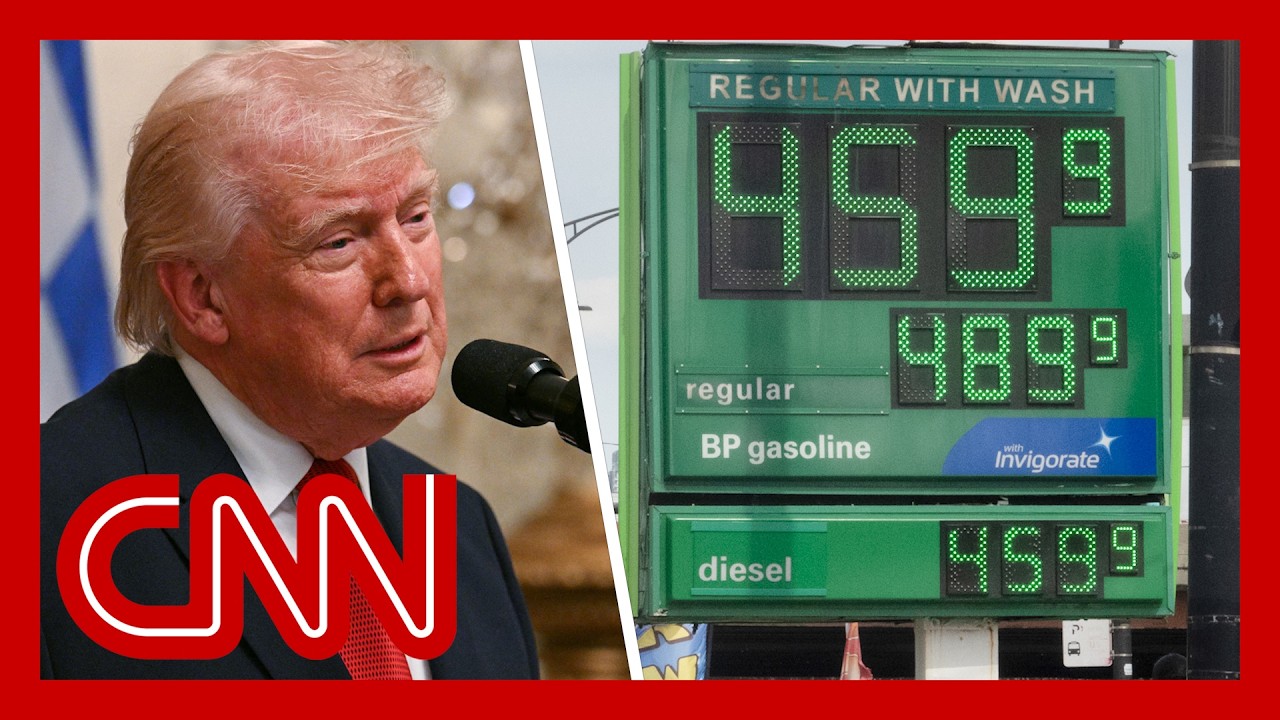
The national average for a gallon of gas has recently surpassed $4—a benchmark not seen in nearly four years. This price increase is significant, especially considering that it exceeds any levels witnessed during the current administration. Reports indicate that West Texas Intermediate crude oil, the U.S. benchmark, has also reached its highest point in four years, with prices settling above $100 per barrel. These developments not only represent a financial burden for American consumers but also reflect broader geopolitical tensions affecting global oil supplies.
In March, the average gas price was approximately $3.02 per gallon, significantly lower than its current level of $4.02. This steep rise has raised alarms among analysts, some of whom warn that the national average could approach—if not surpass—the all-time high of $5 per gallon established four years ago when Russia initiated its invasion of Ukraine. Certain states are already reporting prices well above $5 per gallon, with California gas prices approaching $6, reflecting the widespread nature of this crisis.
The ongoing conflict in Eastern Europe has initiated what can only be described as a profound disruption in oil supply. This circumstance is reminiscent of historical oil crises but appears to be more severe. The closure of critical shipping routes, particularly the Strait of Hormuz, has become a focal point in discussions about fuel prices. It is not merely the cost of crude oil itself that is of concern, but also the implications of potential supply chain disruptions, especially with reports of Iranian drone attacks on oil tankers.
Investment analysts suggest that if the war prolongs and the Strait of Hormuz remains inaccessible, oil prices could ascend alarmingly high. The notion of crude oil reaching $200 per barrel, while seemingly extreme, is being taken seriously by seasoned market analysts. Some project that such a spike could translate into gas prices exceeding $7 per gallon for consumers—a scenario that would exacerbate financial strains for many American families.
Rising fuel prices do not only affect personal budgets but also have far-reaching consequences for the economy. For every dollar that gas prices rise, it is estimated that American families may incur an additional $1,000 in annual expenses. The ripple effect extends beyond the gas pump; diesel prices have also surged to above $5 per gallon, affecting the cost of transporting goods across the country. This chain of increased expenditures is poised to drag down disposable incomes for households and impede economic growth.
The geopolitical landscape complicates matters further. President Trump’s recent statements hint at a potential shift in U.S. involvement in the war, adding layers of uncertainty about international oil supplies. His comments suggest a possible disengagement from efforts to reopen the Strait of Hormuz, an essential passage for oil shipments. Should this occur, it could sustain or even escalate the current climate of high prices and limited supplies.
The global market response has been a mix of skepticism and alarm. Despite fluctuations in oil pricing, futures contracts indicate that a return to earlier, more stable prices—like $70 per barrel—may not occur until well into 2032. This outlook implies a prolonged period of elevated prices, calling into question the economic resilience of not just the U.S. but also other economies dependent on oil imports.
In summary, the surge in gas prices to over $4 per gallon represents more than just a temporary inconvenience for consumers; it is a critical economic indicator of geopolitical strife and market instability. As the situation evolves, it will be essential for policymakers and analysts to monitor trends in oil supply and pricing closely. The ramifications of these changes could have long-lasting effects, not just on the American economy, but on global interdependencies as well.