Ceasefire on the Brink: U.S.-Iran Tensions Escalate in the Strait of Hormuz
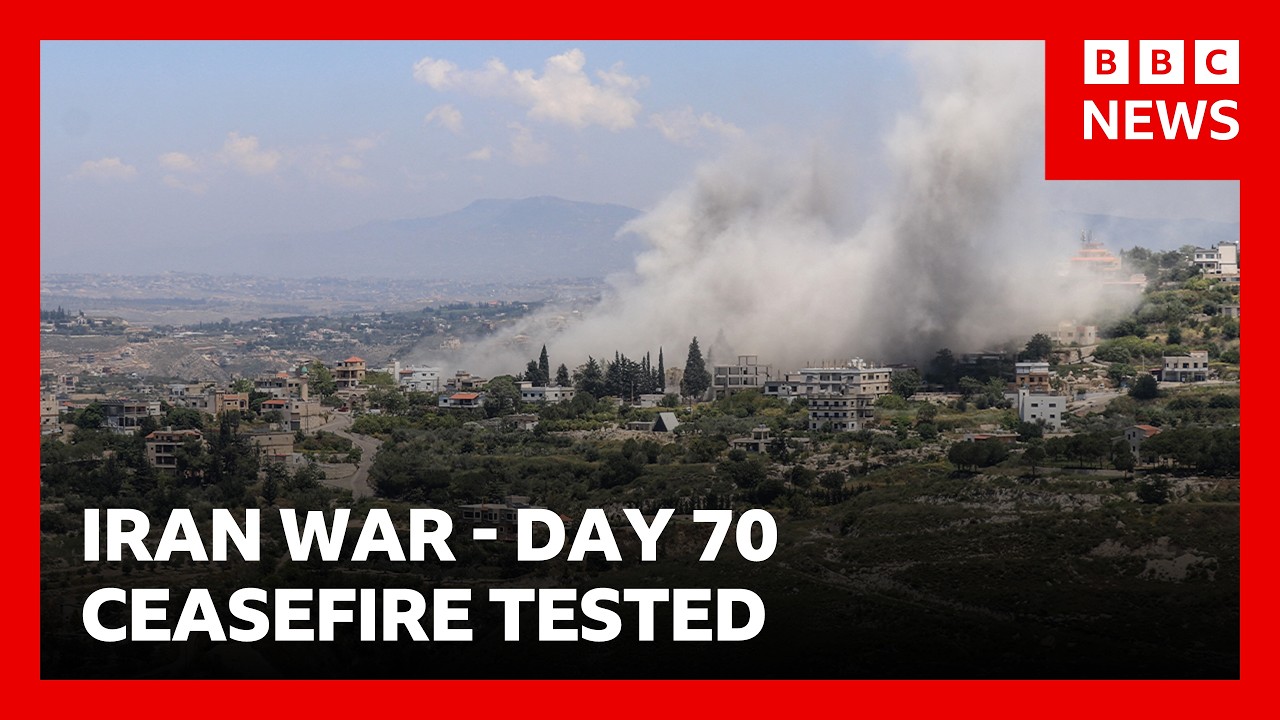
The fragile ceasefire between the United States and Iran is undergoing a significant challenge, with recent confrontations in the strategic Strait of Hormuz marking a concerning escalation. The U.S. accused Iran of launching missiles, drones, and fast boats at three of its naval destroyers, which prompted American airstrikes on Iranian military sites. In retaliation, Iran claims it targeted U.S. naval assets after an oil tanker it owns was struck by U.S. forces, along with several coastal areas in Iran.
Despite these alarming incidents, President Donald Trump insisted that the ceasefire remains intact, a sentiment that appears to be echoed across parts of Washington. "They trifled with us today. We blew him away. I call that a trifle," Trump asserted, showcasing a mix of bravado and optimism amidst the turmoil. However, the deeper implications of Trump’s remarks reveal a leader keen on projecting strength without escalating into a full-scale conflict.
As the U.S. awaits Iran’s response to a new peace proposal—a concise memorandum of understanding aimed at facilitating negotiations over the next 30 days—there seems to be a sense of hesitance on both sides. Secretary of State Marco Rubio noted the dysfunction within Iran’s political machinery might delay a formal reply, casting doubt on whether the proposal will be met with sincerity.
While the Trump administration portrays its military actions as limited engagements, it has led to mixed reactions among U.S. allies in the Gulf region. The narrow bandwidth for any resurgence of conflict exists, with both sides seemingly lacking the appetite for further military escalation. Iran’s foreign ministry described the situation as merely a "nominal ceasefire," expressing discontent over what it characterizes as U.S. military recklessness undermining diplomatic efforts. The Revolutionary Guards further escalated tensions, claiming to have seized the oil tanker Ocean Koi in the Gulf of Oman, accusing it of attempting to disrupt Iranian oil exports.
The Iranian narrative starkly contrasts with that of Washington. Reports of missile exchanges in the Strait of Hormuz have further muddied the waters of the ceasefire. Iran claims its forces inflicted significant damage on U.S. vessels, while U.S. officials maintain they successfully neutralized threats posed by Iranian drones and missiles.
In parallel developments, regional tensions also reverberated through the Gulf States. The United Arab Emirates reported missile incursions and drone strikes believed to have originated from Iran, indicating that the ripple effects of this conflict could destabilize the entire region. Such incidents have rekindled fears of a broader military engagement.
On another front, clashes between Israel and Hezbollah, the Iran-backed Lebanese militia, further illustrate the complex dynamics at play. Despite a renewed commitment to negotiations, violence has persisted, with civilian casualties mounting daily.
The uncertainty surrounding the ceasefire is compounded by fluctuating oil prices, which have surged in the aftermath of the U.S.-Iran exchange. Oil, a critical commodity with over 20% of its global supply traveling through the Strait of Hormuz, is highly sensitive to geopolitical tensions. Traders are closely monitoring diplomatic developments; hopeful news often brings price drops, while military escalations trigger spikes.
As the U.S. seeks a new framework to negotiate peace, the nature of the proposed agreements raises questions about the effectiveness of swift diplomatic resolutions in a volatile landscape. While the current administration aims for a better deal than the previous U.S.-Iran accord, the path ahead is fraught with complexities.
If the past teaches us anything, it is that attempts at peace in the Middle East often face numerous hurdles. Both parties have a long way to go in addressing the root causes of their conflict. The impending responses from Iran will likely set the tone for the future trajectory of U.S.-Iran relations, and both sides must navigate the treacherous waters of diplomacy if enduring peace is to be achieved.