The Evolving Geopolitical Landscape in the Gulf States
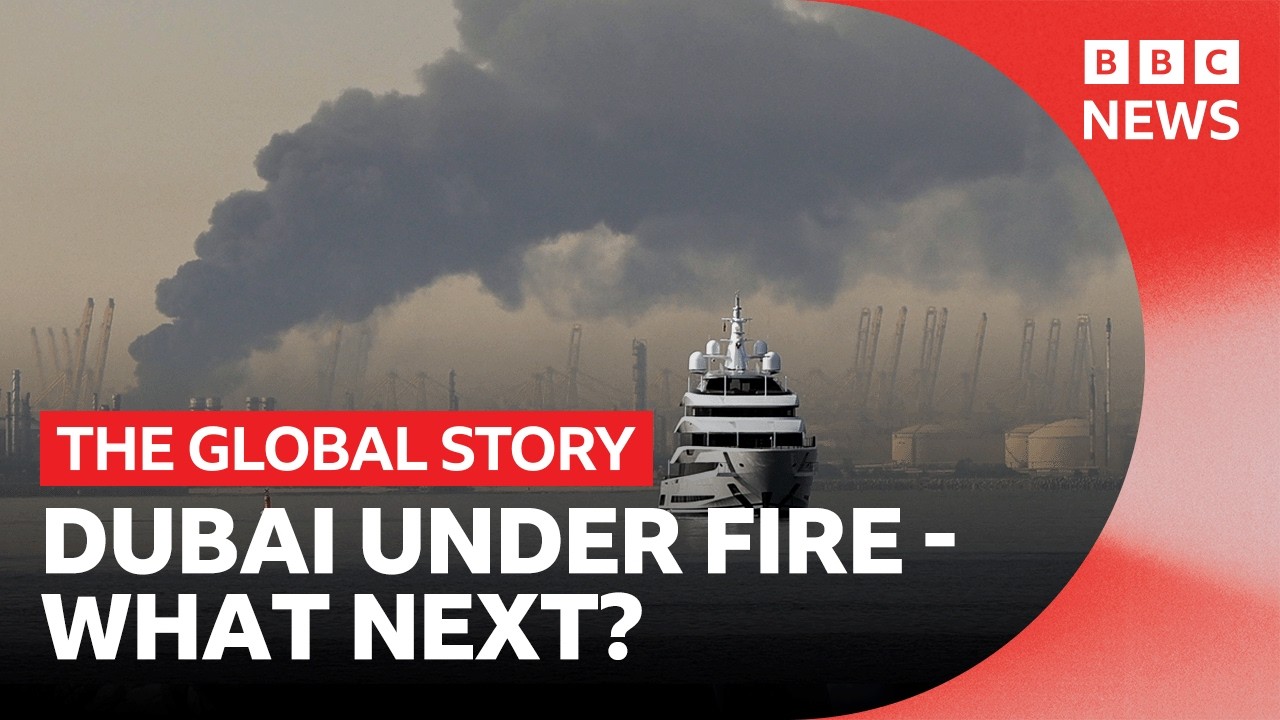
Recent events in the Gulf States have spotlighted the region’s escalating violence and instability, drastically reshaping the understanding of what was once considered a bastion of wealth and calm. Scenes like a U.S. F-15 engulfed in flames and spiraling downwards in Kuwait, intercepted missiles crashing in Qatar, and influencers posting drone strikes in Dubai have injected a sense of urgency into discussions surrounding Middle Eastern conflicts. The ongoing war involving Iran, the United States, and Israel has now cast the Gulf into its tumultuous embrace.
Understanding the Players
The conflict in the Gulf is complex, with several key states intricately involved. There are six Gulf Arab states—Kuwait, Saudi Arabia, Bahrain, Qatar, the United Arab Emirates (UAE), and Oman—that have historically faced challenges from Iran across the relatively narrow waters of the Persian Gulf. Iran’s recent aggression has primarily targeted four of these states due to their past cooperation with U.S. military forces. Their anger is palpable, especially given their reluctance to involve themselves in U.S.-led operations.
Each of these states has a distinct historical relationship with Iran, influenced by religious divides and geopolitical rivalries. In particular, Saudi Arabia and Iran have endured periods of intense rivalry since the Islamic Revolution of 1979. This longstanding tension was exacerbated by a failed U.S. intervention in the region, which, in many ways, left Saudi Arabia feeling vulnerable. The pivotal moment during this simmering rivalry occurred in September 2019 when drone attacks significantly disrupted Saudi oil facilities—a wake-up call that underscored their vulnerabilities against Iranian military capabilities.
Economic Implications and Threats
The Gulf States, while immensely wealthy from oil and gas, are now witnessing how warfare can disrupt not just their peace but also their economies. Countries like Qatar and the UAE are deeply entwined economically with Iran, complicating the diplomatic landscape further. Qatar shares one of the world’s largest gas fields with Iran, fostering an interdependent relationship characterized by cautious diplomatic engagement amid rising tensions.
However, the influence of the ongoing conflict extends beyond military threats. For example, the UAE’s financial market has already shown signs of strain due to halted trading, reflecting how the conflict’s fallout can impact broader mercantile relationships. As rumors swirl about possible military engagement and strikes, the understanding of regional stability has taken a sharp turn into uncertainty.
Strategic Realignments and Future Scenarios
The Gulf States find themselves at a crossroads. Amidst Iran’s aggressive posture, regional leaders are recalibrating their strategies. For instance, the UAE is fostering a more cautious approach toward Iran, maintaining a fragile balance between economic cooperation and self-defense. However, the region is rife with ethnic and sectarian fault lines that further complicate diplomatic relations. Shia communities in both Saudi Arabia and Bahrain often find inspiration in Iran’s leadership, contributing to internal dissent.
Oman, unlike its fellow Gulf States, has pursued a more diplomatic stance toward Iran, successfully mediating talks in the past. This unique position may offer Oman a pathway to influence the rapidly shifting dynamics in the region, but it remains a delicate balancing act.
Looking Ahead: A Turbulent Future
As we look into the future, the potential for escalation remains stark. The threat of a broader conflict looms large, with scenarios ranging from escalated military engagement to targeted strikes, each possessing a capacity for unpredictability. Historical patterns suggest that any miscalculation can easily spiral into a larger, regional war—one that could have dire implications for global energy supplies and political alliances.
The ongoing conflict presents a grim picture for all involved. If the situation continues to deteriorate without a decisive resolution, the region could find itself embroiled in a prolonged state of conflict, with dire consequences for both regional stability and the international community as a whole.
Conclusion
The Gulf States are navigating treacherous waters wrought with complexity, historical grudges, and an ever-looming threat from Iran. As tensions rise, the global community watches closely, understanding that the outcomes of these geopolitical struggles hold far-reaching implications beyond the Middle Eastern region. The coming weeks may very well define the future of the Gulf and, indeed, the broader international landscape. In an era of unpredictability, one thing remains clear: this is just the beginning of a profound geopolitical transformation.