Understanding the Immigration Policies Under the Trump Administration: A Closer Look at ICE Operations
The Trump administration’s immigration policies, particularly the actions of Immigration and Customs Enforcement (ICE), are stirring significant controversy across the United States. With protests erupting in cities like Minneapolis and Los Angeles, the spotlight shines on the unprecedented enforcement methods being employed, raising questions about their implications and the legal frameworks supporting them.
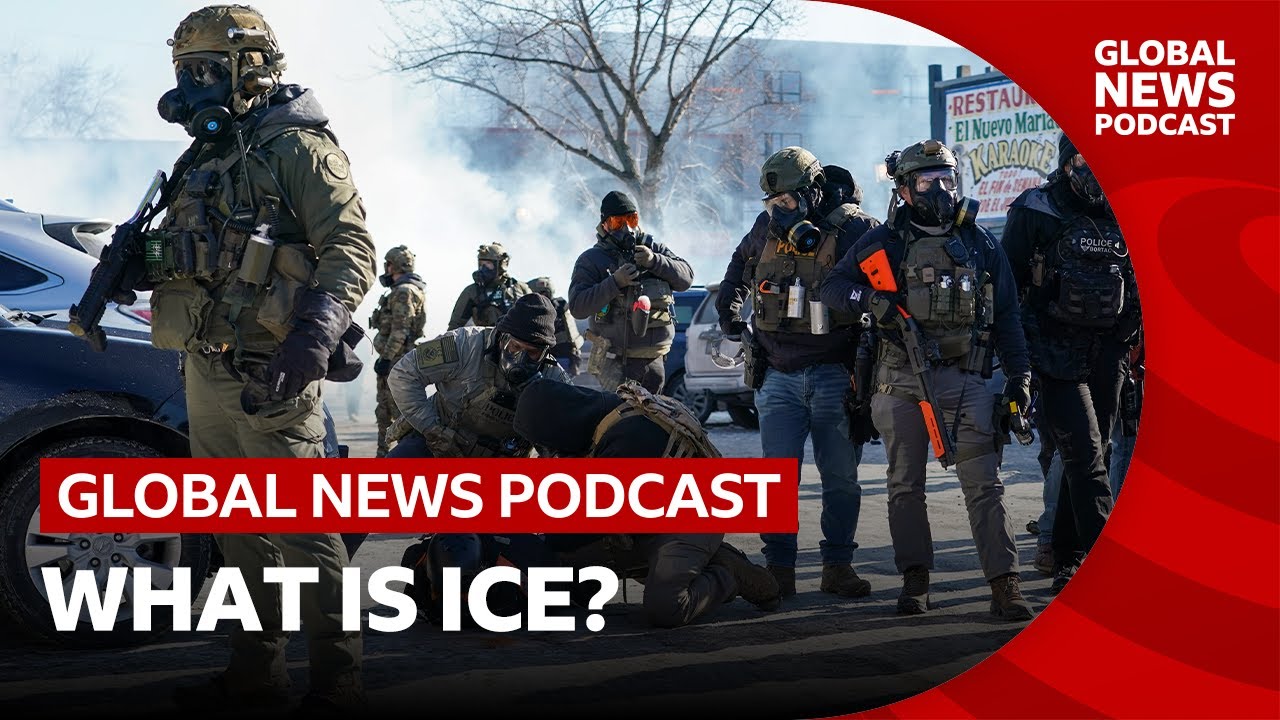
At the heart of the matter is the aggressive stance taken by ICE, which aims to enforce existing immigration laws more vigorously. This shift is not merely a continuation of past practices; it represents a stark expansion of ICE’s operational mandate. Historically, ICE focused primarily on workplaces that employed undocumented immigrants or responded to criminal activities linked to immigration violations. However, under the current administration, the scope has widened, and these agents are now more visible on the streets of cities far from the U.S. borders, operating in ways that many citizens view as an overreach of authority.
What exactly does this entail? ICE, a branch of the Department of Homeland Security (DHS), is tasked with enforcing U.S. immigration law within the country. This agency, alongside the Border Patrol—which monitors entry points and border security—has seen its roles conflated in recent years. Individuals once largely unaware of Border Patrol’s presence in urban centers now find these agents actively involved in local enforcement. This results in a visible federal presence that, until recently, was typically confined to border areas.
The recruitment efforts for ICE have intensified, spurred by the administration’s heightened focus on immigration control. However, concerns arise regarding the training and readiness of these new agents. Reports suggest that the urgency to fill positions has led to expedited training processes, potentially compromising the quality of preparation necessary for such critical law enforcement work. Inadequate training raises alarms not only for those being policed but for the agents themselves, who may find themselves in situations they are ill-equipped to handle.
The legal powers assigned to ICE agents have similarly stirred debate. In their interactions with U.S. citizens, agents are supposed to act within constitutional boundaries, particularly regarding searches and seizures. Yet, many citizens report instances of racial profiling and intimidation, with allegations that agents have lowered the standard for “probable cause,” heightening tensions in communities already facing strife. The absence of body cameras during these encounters compounds the problem, leaving individuals with little recourse if their rights are violated.
Another layer of complexity exists: accountability. ICE and Border Patrol answer to DHS, with directives often emanating from the White House. This centralization allows for swift implementation of policies but creates dissonance with local governments. Cities like Minneapolis report little cooperation between federal and local authorities, leading to further alienation between communities and law enforcement.
The immigration enforcement policies enacted during this administration operate within a historical context, leveraging longstanding laws that had not been vigorously applied previously. Many Americans support the underlying objectives of immigration control, but increasing discomfort is palpable regarding the methods being used. Originally, the emphasis appeared to be on detaining individuals with serious criminal backgrounds. However, reports now indicate that families and long-established community members are caught in this intensive enforcement net, stirring public unease.
Notable figures across the political spectrum, including former presidents and influential public voices, are expressing concerns over the implications of these policies. They argue that the very foundations of freedom in American society are at stake. Critics, including those previously aligned with Trump, fear the militarization of urban areas and the erosion of civil liberties could set a detrimental precedent.
In conclusion, the current immigration strategies under the Trump administration have sparked significant debate that transcends party lines. The actions of ICE raise crucial questions about legality, accountability, and community trust. As this situation evolves, it highlights the need for an ongoing dialogue about the balance between immigration enforcement and the protection of individual rights in the United States. The future of these policies, as well as their societal implications, remains to be seen, but the conversation will undoubtedly continue, reflecting the diverse views of a nation grappling with its identity and values.