The Future of Warfare: Embracing Cutting-Edge Technology
In recent years, the global landscape of military conflict has been reshaped dramatically, prompting nations to rethink their strategies and embrace advanced technologies. As articulated in various discussions surrounding this topic, there is a pressing concern that the West, particularly the UK, is lagging behind both allies and adversaries in military capabilities. The advent of autonomous systems, drone technology, and hybrid warfare underscores a transformation in how nations prepare for and engage in combat.
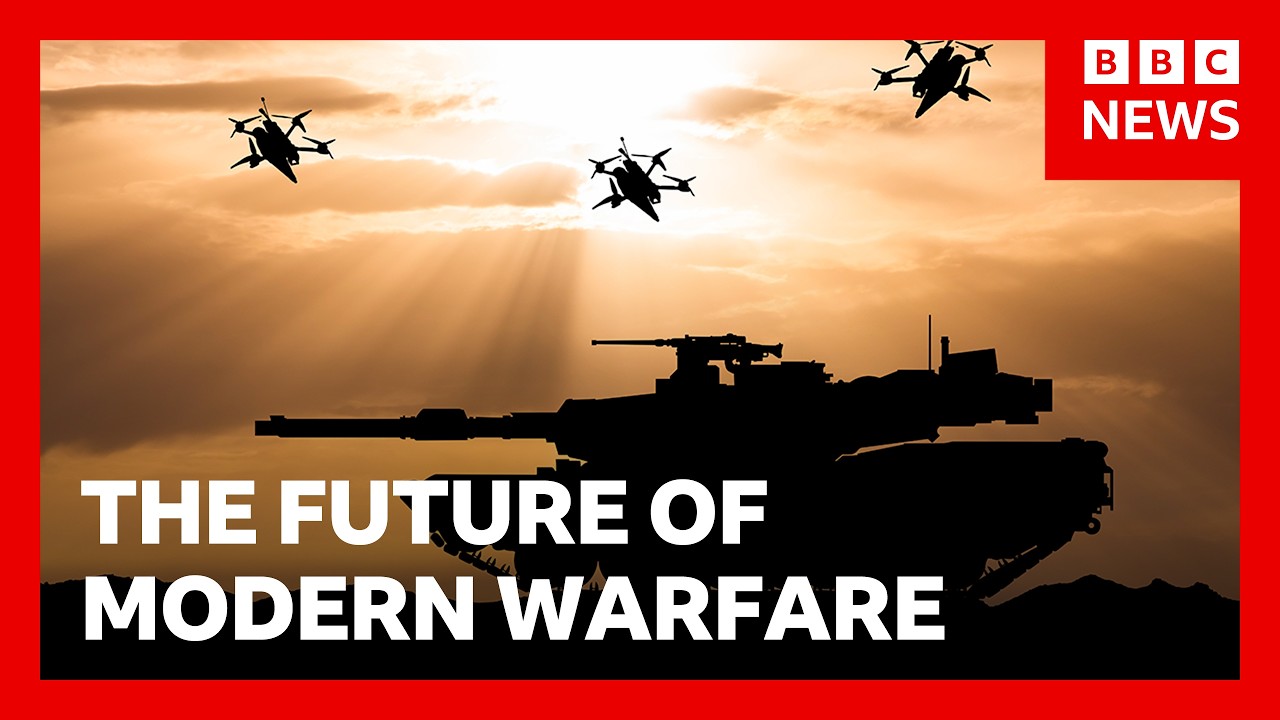
The ongoing conflict in Ukraine has become a case study highlighting these shifts. Traditional notions of warfare have been upended, with countries increasingly focusing on integrating cutting-edge technologies that redefine the battlefield. As Prime Minister Keir Starmer stated, the UK is aiming to establish a new hybrid Royal Navy, integrating uncrewed ships above and below the surface, and coupling Typhoon fighters with autonomous wingmen. This multi-faceted approach not only seeks to enhance visibility against enemy detection but also strives to gather intelligence through a fleet of advanced surveillance drones.
Reflecting on the evolution of warfare, military expert Mikey Kay notes a distinct shift toward non-traditional combat methods, especially post-2001. The dynamics have transitioned from state-on-state confrontations characterized by conventional weapons to asymmetric and hybrid warfare frameworks, as exemplified by Russia’s military incursions. The term "hybrid warfare" encompasses the combination of conventional military capabilities with non-military tactics such as disinformation and cyber operations. As countries recalibrate their defense strategies, the importance of unmanned systems becomes increasingly apparent.
One notable trend is the speed of innovation in military hardware. Kay points to low-cost, mass-produced drone systems, such as the Hornet interceptors utilized in Ukraine, as pivotal to modern military success. Priced around $1,000 each, these drones offer a cost-effective solution to sophisticated threats while demonstrating remarkable accuracy and efficiency. This represents a notable departure from investment in traditional assets like aircraft carriers and advanced fighters, which can take years to develop and will likely become obsolete before their operational lifespan ends.
With the importance of technology firmly established, the question of funding becomes central. Europe faces significant pressures to enhance defense budgets as a response to the realities underscored by the Russian invasion of Ukraine in 2022. Countries like Poland and Germany have made substantial increases in defense spending, surpassing the UK, which has steadily risen from 2.1% to 2.3% of GDP. Despite this uptick, analysts argue that it is insufficient to meet the evolving demands of contemporary security challenges.
General Sir Richard Barron, a former commander of Joint Forces Command, expressed concern that the UK now finds itself lagging behind its NATO allies in terms of military readiness. He emphasizes the critical need for urgent investment to revitalize and modernize the armed forces. The anticipated increase in UK defense spending, while positive, is still perceived as inadequate.
As the conversation surrounding future warfare unfolds, it is essential to analyze threats from various global actors. Kay identifies Russia’s military capabilities, particularly drone technologies, as a significant concern, especially with the advent of one-way attack drones that could dramatically reshape the operational landscape in Europe. The influx of such technologies underscores the necessity for European countries to reevaluate their defense strategies, particularly in the wake of decreasing reliance on U.S. military support.
China also looms large in discussions about military advancements. With a projected defense budget exceeding $270 billion, China is rapidly modernizing its military arsenal. Investments in naval expansion, long-range missiles, and drone technology exemplify its ambition to emerge as a global military power. While quantity appears to be on China’s side, the qualitative aspects of both Western and Chinese military capabilities will be critical in determining future outcomes in a conflict.
In conclusion, as military confrontations evolve, the emphasis on cutting-edge technology and agile procurement practices will dictate the readiness and resilience of armed forces globally. Nations must not only invest more but also innovate rapidly, recognizing that the battlefield of tomorrow will not resemble that of yesterday. Embracing these technological advancements will be crucial for any nation aspiring to secure its position and safeguard its interests in an increasingly complex world.