The Washington Hilton Incident: A Deeper Look into the Suspect and Security Measures
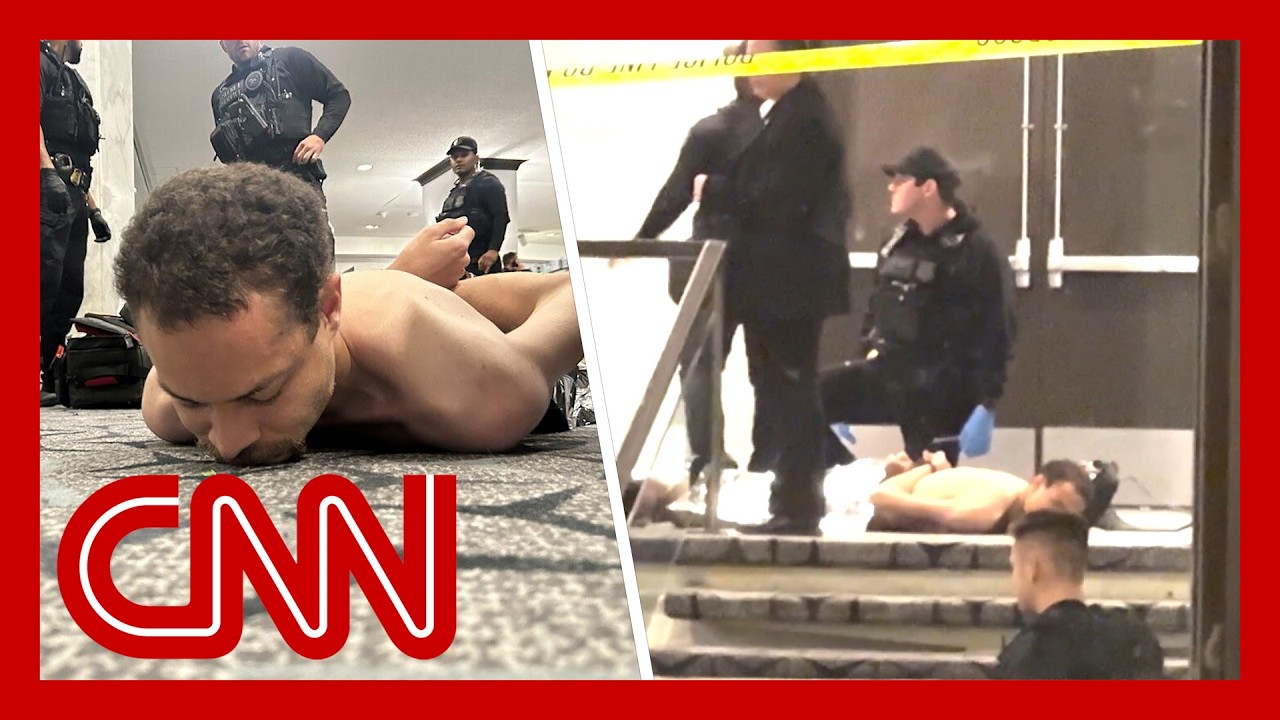
In a shocking turn of events at the White House Correspondents Dinner, authorities identified the suspect as Cole Thomas Allen, a 31-year-old from Torrance, California. The DC police reported that he acted alone, carrying an arsenal that included a shotgun, a handgun, and several knives. Initial assessments by law enforcement suggest that Allen was likely a guest at the Washington Hilton, the host venue of the dinner. The decision to pursue this event reveals a significant level of premeditation, leaving many to question his motivations and the events leading up to the attack.
A Profile of the Suspect
Cole Thomas Allen’s background presents a perplexing picture. He is not merely a local resident. Public records indicate that he has a stable professional history as a part-time teacher and a video game developer. According to a LinkedIn profile, Allen worked for C2 Education, a tutoring company, and received recognition as "Teacher of the Month" in December 2024. His academic qualifications are substantial; he graduated with a bachelor’s degree in mechanical engineering from the California Institute of Technology in 2017 and obtained a master’s degree in computer science from California State University, Dominguez Hills, last year.
Moreover, Allen was observed to have been politically active, having donated $25 to Vice President Kamala Harris’s campaign in 2024. He is also credited with publishing an indie game titled "Boredom" on the Steam platform. This blend of professional aptitude and political engagement paints a complex portrait of an individual whose actions led to an unprecedented breach of security at a high-profile event.
The Security Response
The immediate consequences of the assault were felt deeply within the Secret Service. Fortunately, the officer involved in the exchange of gunfire has been released from the hospital, with officials crediting the ballistic vest for mitigating what could have been a much graver situation. The rapidity of the security response was commendable, considering the level of technological and investigative support available.
Retired FBI supervisory special agent Jason Pack noted that the protocols in place were activated almost immediately. The FBI has since launched investigations both at the Washington Hilton and in Allen’s home state of California, looking for evidence that could explain the “why” behind such a violent act. Investigators are meticulously sifting through his personal papers, computers, and any potential manifestos that could provide insight into his motivations. As Pack highlighted, the timeline of events, as well as Allen’s financial transactions and communications, must be thoroughly examined to piece together the lead-up to the attack.
Threat Assessment and Planning
Former Secret Service agent Jonathan Ro weighed in on the extensive security protocols at the event. With the President in attendance, the Secret Service operates on a "threat-based methodology," constructing layers of security that extend well beyond the immediate vicinity of the venue. These security layers encompass aerial surveillance, foot patrols, and checkpoints designed to intercept any potential threats before they reach the main event. This incident exemplifies the complexity and necessity of such planning, especially for events with such a significant concentration of influential figures.
Conclusions and Future Considerations
As investigations continue, multiple questions remain unanswered. How did Allen manage to navigate the security barriers? What specific events led him to target this particular venue? Furthermore, understanding the psychological landscape behind such actions is crucial for preventing future incidents.
Overall, the Washington Hilton incident serves as a stark reminder of both the vulnerabilities inherent in safeguarding public events and the need for adaptive, responsive security measures. The investigation into Allen must not only unravel the particulars of the case but also contribute meaningfully to our broader understanding of public safety in high-profile arenas.