Andy Burnham’s Vision for the UK Economy: A Critical Analysis Ahead of His Upcoming Speech
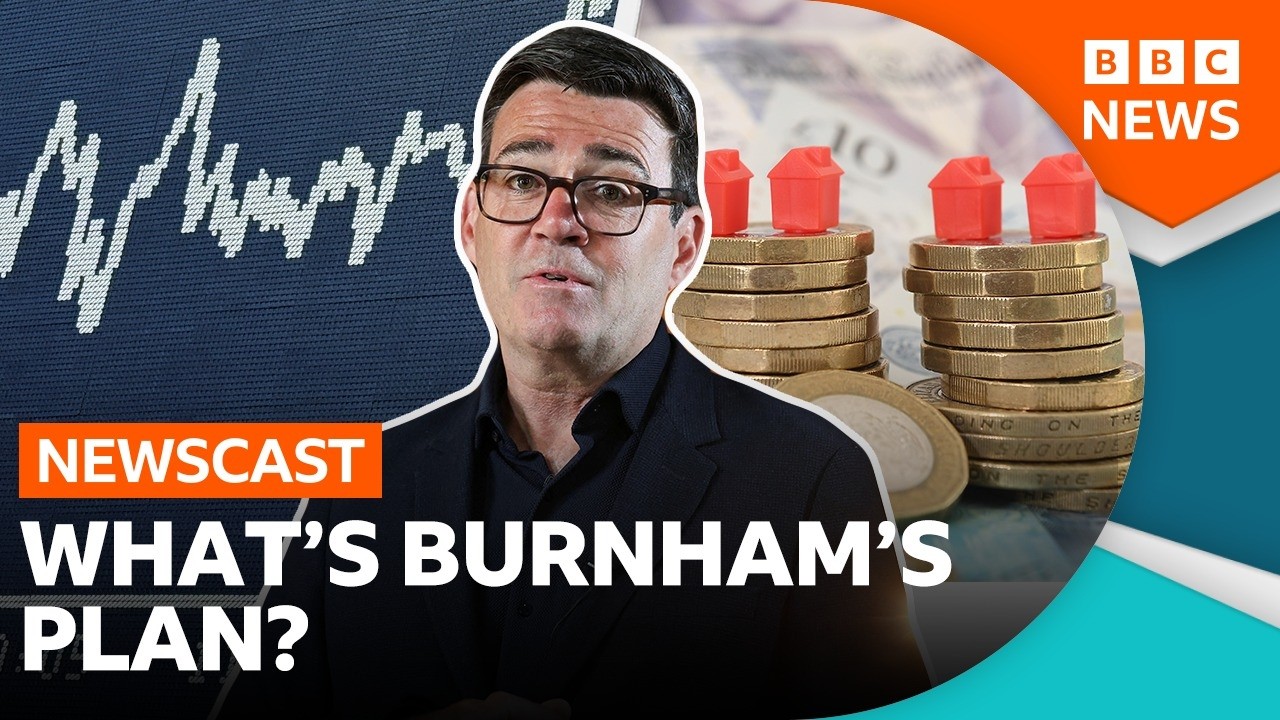
As anticipation mounts for Andy Burnham’s pivotal speech on the economy in Manchester, all eyes are on what direction the potential Prime Minister might take should he attain the highest office. The political arena is abuzz with speculation surrounding Burnham’s economic strategy, which has far-reaching implications not just for northern regions, but for the entire UK.
Burnham, who has long championed devolution during his tenure as Mayor of Greater Manchester, has openly stated his inclination toward distributing power away from Westminster. This move, he argues, is essential for amplifying local voices and addressing the unique challenges faced by regions outside the capital. His vision includes not only enhancing regional governments’ fiscal authority but also reallocating resources from centralized budgets to local councils, thus empowering them to make the critical decisions that directly affect their constituents.
During an interview in June, Burnham committed to adhering to the fiscal rules established by Keir Starmer and Shadow Chancellor Rachel Reeves. However, his reluctance to delineate these rules has drawn scrutiny. Many political analysts wonder how he can innovate economically while remaining tethered to existing fiscal doctrines. His critics argue that sticking rigidly to these constraints may hinder his ability to enact meaningful reform.
One intriguing aspect of Burnham’s anticipated address is his emphasis on how the economic failings of the north have a downstream effect on the south. By framing the economic struggle of the north as a burden on southern regions, Burnham cleverly seeks to engage a broader audience in his vision for a more equitable economic landscape. Should his new economic framework succeed, it might reduce the financial burdens on southern taxpayers, demonstrating a principle of mutual benefit.
Moreover, the notion of a "growth department" within the Treasury—a proposal gleaned from recent newspaper briefings—demonstrates Burnham’s intent to decentralize not just geographically but also functionally. This could entail establishing specialized branches that focus on economic growth, job creation, and infrastructure development, thereby challenging the traditionally centralized decision-making processes of the Treasury.
A vital clue to understanding Burnham’s economic philosophy lies in the team he assembles around him. Speculation around potential appointments for key positions, particularly Chancellor, reflects an important aspect of how his economic policies might unfold. The inclusion of individuals with diverse economic backgrounds suggests a willingness to embrace innovative but calculated economic strategies. Notably, past discussions about infrastructure spending resonate with his broader goals of stimulating local economies, particularly in the north.
However, the path ahead is fraught with challenges. The delicate balance of addressing the pressing needs of the north—such as higher productivity, improved transport, and enhanced local governance—while keeping the fiscal rules intact is no small feat. Critics remind us that a focus on regional empowerment shouldn’t come at the expense of the south, highlighting the complex interdependencies that characterize the UK economy.
It is imperative to also recognize Burnham’s advocacy for social issues, particularly in the realms of welfare and social care. During various interviews, he has consistently advocated for improved public services as crucial mechanisms for economic growth. Proposals around greater public control of essential services, alongside infrastructure investments, aim to bridge the growing disparities between different UK regions.
As Monday’s speech approaches, the question lingers: will Burnham pivot towards a fresh mandate that reflects his vision articulated in his book "Head North," or will he remain aligned with the Labour Party’s existing manifesto? Each direction carries implications for his legitimacy and the party’s unity. Should he diverge significantly from established party lines, the calls for a general election could amplify, further complicating his political maneuvering.
In today’s climate of rapid change and economic volatility, Burnham’s economic address could serve as a crucial turning point. The political landscape is ever-shifting; thus, every decision and assertion made in this speech will be examined critically. The challenge will be to translate vision into actionable policy, demonstrating not just rhetorical skill but also the capacity to lead a diverse, economically divided nation towards a more equitable future.