South Carolina’s Political Landscape Shifts After Lindsey Graham’s Passing
The unexpected death of Senator Lindsey Graham has set off a political scramble in South Carolina, igniting discussions about who will step into his shoes. With a special primary slated to occur in a matter of weeks, the urgency for GOP contenders to position themselves has intensified significantly.
Upon Graham’s death, the South Carolina governor is expected to appoint a temporary successor. That appointee may also choose to run in the forthcoming primary, which complicates the race considerably. The stakes are high, as whoever emerges victorious in November stands to occupy an influential position in the Senate, especially given the delicate balance of power in Congress currently.
Nancy Mace, the retiring congresswoman known for her national visibility, has emerged as a focal point in this political landscape. Despite her name recognition, early predictions indicate a tough road ahead for her. Current forecasts show that she has only a 4% chance of winning the special GOP primary, a significant drop considering her previous ambitions in other contests, including a gubernatorial primary. Her performance in that race, where she garnered merely 12% of the votes and finished fifth, raises questions about her viability as a candidate in this new contest.
Analysts suggest that the apparent lack of support for Mace comes not merely from her prior missteps but from the dynamics of political sentiment among South Carolina’s GOP electorate. While she frequently appears on cable news and has cultivated a strong public persona, those who back her in prediction markets are exhibiting skepticism. In sharp contrast, candidates like the current lieutenant governor and Congressman Ralph Norman are being viewed as frontrunners, evidenced by their respective 40% and 32% chances to secure the nomination.
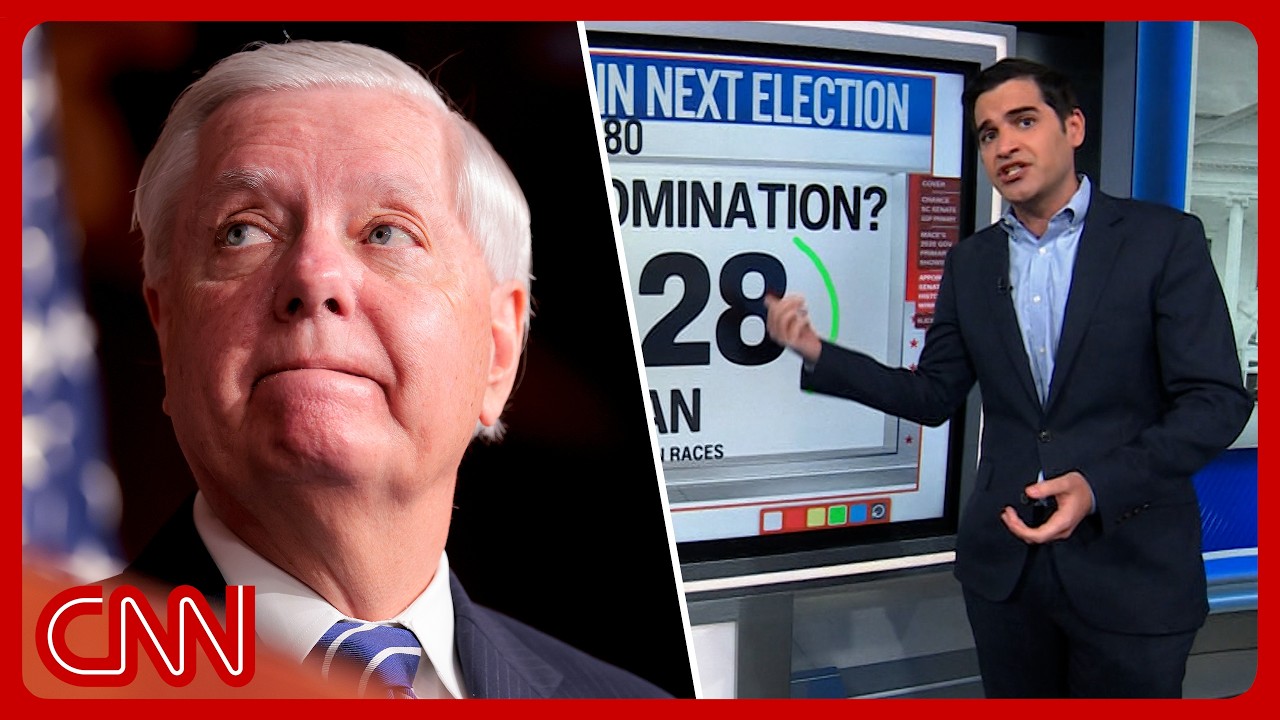
This situation illustrates a broader trend in Republican primaries where incumbency, popularity, and past performances weigh heavily on the outcome. The historical precedent is clear: appointed senators have won their party’s nomination 26 out of 28 times since 1980 when they chose to run. Early strategic advantages often translate to real electoral power.
The implications of Graham’s death extend beyond just the immediate scramble for his seat. In the Senate, his absence is noticeable and will likely hinder the GOP’s legislative agenda. Graham was a vocal supporter of President Trump’s initiatives, including efforts to pass key legislation on election reform. As discussions about confirming Todd Blanch as the new Attorney General heat up, Senators will feel the loss of Graham’s robust advocacy.
Graham’s longstanding influence as a defense hawk and his commitment to international alliances will also leave a vacuum difficult to fill. His recent trip to Ukraine showcased his dedication to foreign policy matters, particularly in the face of tensions with Russia. The forthcoming confirmation hearings for Blanch will highlight the growing absence of experienced voices in a Senate already challenged by other health-related issues, such as Senator Mitch McConnell’s ongoing hospitalization.
As the Republican Party navigates this transition, the implications of Graham’s passing resonate throughout both local and national contexts. South Carolina voters face the prospect of filling a pivotal seat in just a few short months, while Senate Republicans are strategizing on how to maintain influence amid increasing vacancies.
In a rapidly changing political environment, the need for a new generation of leadership is palpable. With public sentiment favoring fresh faces and ideas, potential candidates must not only appeal to traditional party bases but also consider the evolving expectations of constituents.
As the clock ticks down to the primary, the focus will undoubtedly be on those candidates who can translate early endorsements and name recognition into actual votes. In this moment of transition, South Carolina stands at a crossroads, ready to determine who will carry on Graham’s legacy or chart an entirely new course. The coming weeks will be crucial in clarifying both the future of the Senate seat and the direction of Republican politics in the state.