Countries Boycotting Eurovision: The Political Dimension Behind the Withdrawal
This year’s Eurovision Song Contest in Austria is facing a notable absence as several countries have chosen to withdraw. Ireland, Iceland, the Netherlands, Slovenia, and Spain will not participate, primarily in protest against Israel’s confirmed involvement in the contest. The political ramifications of this decision are profound, reflecting a simmering tension between artistic expression and geopolitical realities.
Israel’s participation has sparked significant controversy. Critics highlight the ongoing military actions in Gaza, where numerous Palestinian lives have been lost. This situation has raised ethical questions regarding whether participating in a cultural event like Eurovision undermines the severe humanitarian issues at play. Many of the withdrawing nations feel compelled to make a stand, viewing their boycott as a moral obligation to respond to what they perceive as injustices.
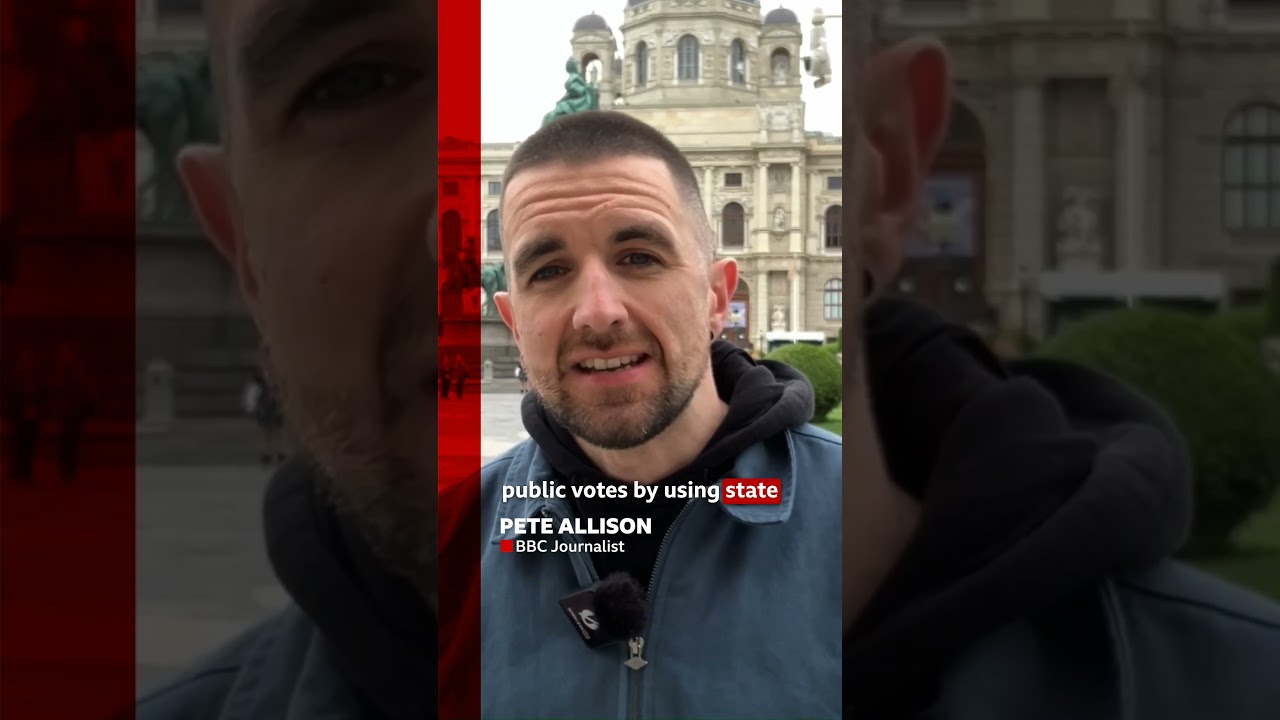
Moreover, the dissatisfaction isn’t solely rooted in the military conflict; some critics target Israel’s government directly. Allegations have emerged that Israeli officials sought to manipulate public opinion, claiming that state-run social media channels encouraged international voters to support Israel’s entry. The claim of external influence in a contest that prides itself on its democratic voting process has left other nations grappling with issues of fairness and transparency.
In response to the outcry, Eurovision organizers have announced changes to the voting rules to bolster integrity and ensure that votes reflect genuine public sentiment. However, many countries remain unconvinced by these measures. Spain, for instance, cites a significant loss of faith in the event’s leadership, as they announced their withdrawal. Spain’s contribution to the contest is among the most substantial financially, making their boycott particularly impactful. The decision sends a clear message that financial backing is contingent upon the contest’s adherence to values embraced by participating countries.
The decision to step away from Eurovision is undoubtedly complex. For many nations, it goes beyond mere participation in a music competition. It is a stance against perceived injustices and a declaration of solidarity with the Palestinian people. The intersection of culture and politics is not a new phenomenon in Eurovision, a platform that has seen numerous controversies in its long history. Yet this year’s withdrawals highlight how global politics can intersect with cultural events in ways that resonate far beyond the stage.
Conversely, Israel has defended its involvement, framing it as a triumph over efforts to marginalize or delegitimize its place in international events. Israeli officials suggest that participation in Eurovision is an opportunity for cultural representation and dialogue, asserting that they will not be silenced by political dissent.
As the contest approaches, it remains to be seen how this dynamic will play out on the grand stage. The absence of these five nations may significantly alter the competition landscape, affecting not only the voting patterns but also the overall spirit of inclusivity that Eurovision has historically sought to embody. The contest, which has always been a melting pot of cultures and expressions, now finds itself embroiled in a political quagmire that cannot be ignored.
As countries grapple with their decisions, the implications of their stances continue to reverberate. Each withdrawal is more than just a lack of participation; it is a calculated risk aligned with national values and international ethics. This situation serves as a reminder of the powerful role that culture can play in broader geopolitical discussions, often serving as a mirror reflecting world events.
In conclusion, as Eurovision embarks on its journey this year, the weight of political sentiment looms large. The absence of prominent nations not only deprives the contest of diverse cultural expressions but also underlines a pressing truth: while the stage may be set for entertainment, the politics behind the scenes are anything but. The contest will proceed, but with an awareness that these artists carry more than just melodies—they represent the complexities and controversies of our time.