California’s Political Landscape: A Fractured State Amid Prosperity
California, often deemed the epitome of progress and innovation, finds itself at a crossroads. While President Trump and many Republicans struggle in national polls, a different narrative is unfolding within the Golden State. Recent election results have shown unexpected Republican gains, challenging the Democratic stronghold. For instance, Steve Hilton, a Republican candidate, outpaced several high-spending Democrats in the governor’s race, setting the stage for a contentious November election. Similarly, Spencer Pratt, a former reality television star, came tantalizingly close to a mayoral spot in Los Angeles, a city markedly skewed toward Democratic leadership.
Yet Democrats may be tempted to dismiss these developments as mere anomalies. The underlying frustrations among California’s residents, however, are serious and deserving of attention. Despite its wealth and dynamism, California is struggling under a governance model that seems increasingly ill-suited for addressing the needs of its citizens.
A Growing Discrepancy Between Wealth and Need
The fiscal history of California reveals a troubling paradox. The state’s general expenditures have skyrocketed from $78 billion in 2000 to approximately $248 billion by 2023—an increase of over 200%. During the same period, the population has increased by only 16%. This discrepancy translates to a per capita spending surge from around $2,300 to nearly $6,300. One must pause and ask: has the quality of governance and public services truly improved to justify such an inflated budget?
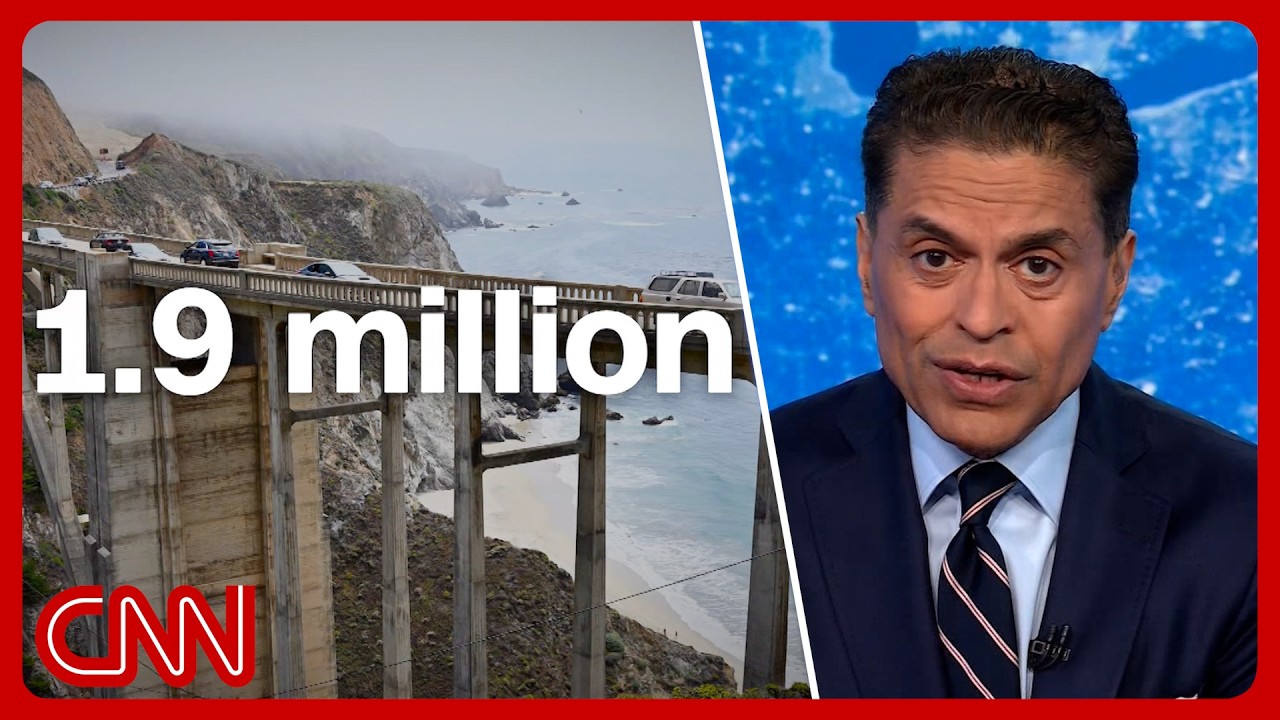
Housing, in particular, epitomizes California’s failures. The state has long professed compassion in its policies yet built a framework that effectively excludes many from homeownership. Alicia Finley reported in The Wall Street Journal that between 2021 and 2024, Los Angeles issued a meager 118,000 building permits for new homes, compared to Atlanta’s 163,000, despite having nearly twice the population. Consequently, skyrocketing home prices have driven many workers to extend their commutes while homelessness becomes increasingly pervasive. California has witnessed a net loss of approximately 1.9 million residents over seven years—a striking departure from its historical image as a land of opportunity.
Education and Employment: A Dual Crisis
Education is another area where the state’s ambitions fail to align with outcomes. Despite spending on K-12 education more than doubling since the early 2010s, results remain disheartening. As of the 2024 Nation’s Report Card, California ranked 43rd in fourth-grade math and 39th in reading. Such numbers compel one to question how an affluent state can maintain an education system so significantly lacking in effectiveness.
Homelessness ranks as one of California’s most painful failures. An audit revealed the state poured $24 billion into alleviating the crisis over five years. Yet, homelessness set a new record in 2024, with nearly 200,000 individuals affected. The complexities of the aid framework have proven insufficient in creating lasting solutions.
Furthermore, California’s headline prosperity, largely driven by industries such as tech, masks a stagnating job market in many sectors. While unemployment remains low, job creation in most private industries has essentially flatlined. A troubling sign is the decline in the entertainment sector, particularly in Hollywood, where the number of shoot days plummeted from over 36,000 in 2022 to about 19,000 in 2025. This trend spells trouble not just for major stars but for the many behind-the-scenes workers who make this industry thrive.
Emerging Concerns Amid Anxiety
As political discontent rises, voters in California are beginning to express their restlessness. The recent primary elections suggest a demand for a fresh examination of governance. Despite deep-rooted loyalty to the Democratic Party, residents are left questioning the efficacy of a state rich in resources yet increasingly inhospitable to the average citizen.
Additionally, concerns about the impact of artificial intelligence loom large. A recent Reuters Ipsos poll indicates that more than half of Americans fear potential job displacements due to AI technologies. While current aggregate data does not suggest a significant job loss, experts predict we are entering a ‘messy middle’ phase, wherein select occupations may face substantial risks of displacement.
Ultimately, California stands at a pivotal moment. The juxtaposition of a prosperous economy and pervasive inadequacies in governance raises critical questions. With growing discontent among its residents, lawmakers may find it imperative to reflect on why a state endowed with unparalleled resources continues to make life challenging for the very people it aims to serve.