Russia’s Distorted Reflection: The Evolution of Power Amid War Uncertainty
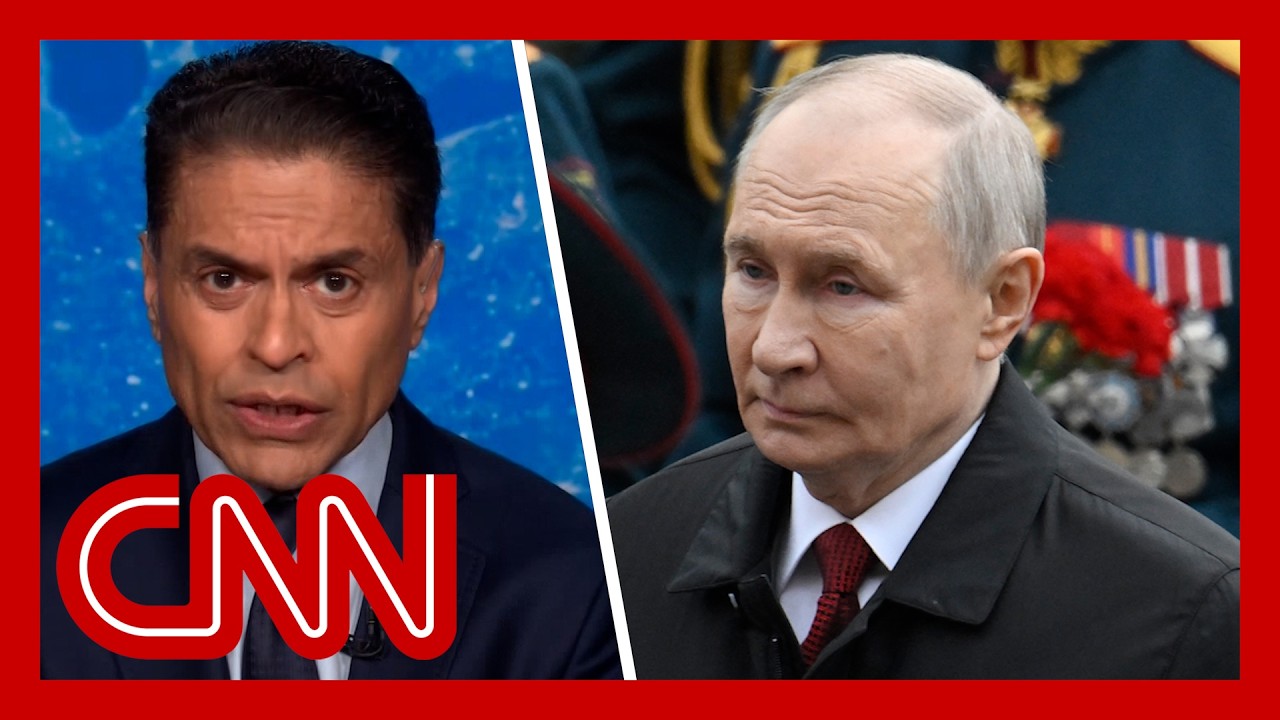
As Russia’s Victory Day parade unfolded this past weekend, the spectacle typically synonymous with military dominance appeared starkly diminished. The annual event, which celebrates the Soviet Union’s triumph over Nazi Germany in World War II, serves as a vital emblem of President Vladimir Putin’s regime. Yet, this year’s observance was markedly different—absent were the missiles and armored tanks that once formed the backbone of the display. It was the first time since 2007 that such hardware was excluded, a telling indication of Russia’s current predicament.
The Kremlin attributed the scaled-back environment to security concerns, namely, fears of Ukrainian terrorist activities. However, many analysts suggest that these modifications stem from the increasing capability of Ukraine to strike deep within Russian territory, raising questions about the Kremlin’s confidence. Indeed, recent weeks have witnessed a series of drone strikes emanating from Ukraine, including a meaningful attack on a high-rise apartment building in Moscow, just five miles from the storied Red Square. Such events force Russians, far removed from the battlefront, to confront the undeniable reality of war encroaching upon their lives.
The intensity of Ukraine’s drone operations has reached new heights. Reports indicate that assaults have not only targeted military infrastructure but have also struck oil facilities, aiming to destabilize Russia’s vital export revenues. Notably, Ukrainian drones have attacked a refinery and an export terminal in the Black Sea region multiple times since mid-April. The aftermath of these operations has been stark; residents have reported “black rain,” a phenomenon caused by the oily residues from these attacks filtering into civilian life.
This perpetual state of conflict, coupled with the impression of a stalemated frontline, deepens the sense of unease among ordinary Russians. The Institute for the Study of War recently reported a notable shift: for the first time in nearly two years, Russia experienced a net loss of territory in Ukraine. Such data suggest that while an offensive may still be on the horizon, the realities of war are muddied by a pervasive inability to secure conclusive victories.
As public affinity for Putin appears to wane—his approval ratings hitting their lowest since the onset of partial mobilization in September 2022—the repercussions of war seem to seep deeper into the fabric of Russian society. A leaked European intelligence report indicates that fears of internal dissent have led to tightened security around the president. Surveillance measures have escalated dramatically; aides are monitored, and even the movement of culinary staff, bodyguards, and photographers is heavily restricted.
This atmosphere of trepidation signals a precarious time for Putin. The assassinations of high-ranking military and security officials emphasize a growing undercurrent of disillusionment within the Russian elite. As Ukraine’s audacious strikes continue, Russians across demographics are increasingly vocal about their discontent, taking to social media, despite government crackdowns on internet access.
Moreover, economic challenges are compounding the strain. While rising oil prices have momentarily cushioned Russia’s economy, pervasive labor shortages pose significant long-term threats. Analysts argue that the official unemployment rate, touted by the Kremlin as a sign of strength, may merely reflect a dwindling labor pool exacerbated by demographic decline and the ongoing conflicts.
Simultaneously, stories emerge of ordinary Russians contemplating a future detached from Putin’s regime. This shift in perspective, though gradual, could signify a pivotal moment in Russian society as opinions evolve, colored by the horrors and realities of protracted warfare. Even as Putin has historically demonstrated resilience, the ramifications of his military aggression against Ukraine may come with profound costs—dipping morale, faltering approval, and a burgeoning desire for change among the populace.
In summary, as Russia grapples with both internal and external pressures, the grandeur of Victory Day is overshadowed by the stark reality of a nation at a crossroads. The once-mighty Kremlin, clad in the trappings of military might, finds itself diminished—both in spectacle and in the steadfastness of its rule. The landscape of power in Russia is shifting, and as discontent brews, the fabric of Putin’s regime is more susceptible than ever to the effects of a relentless conflict that seems far from resolution.