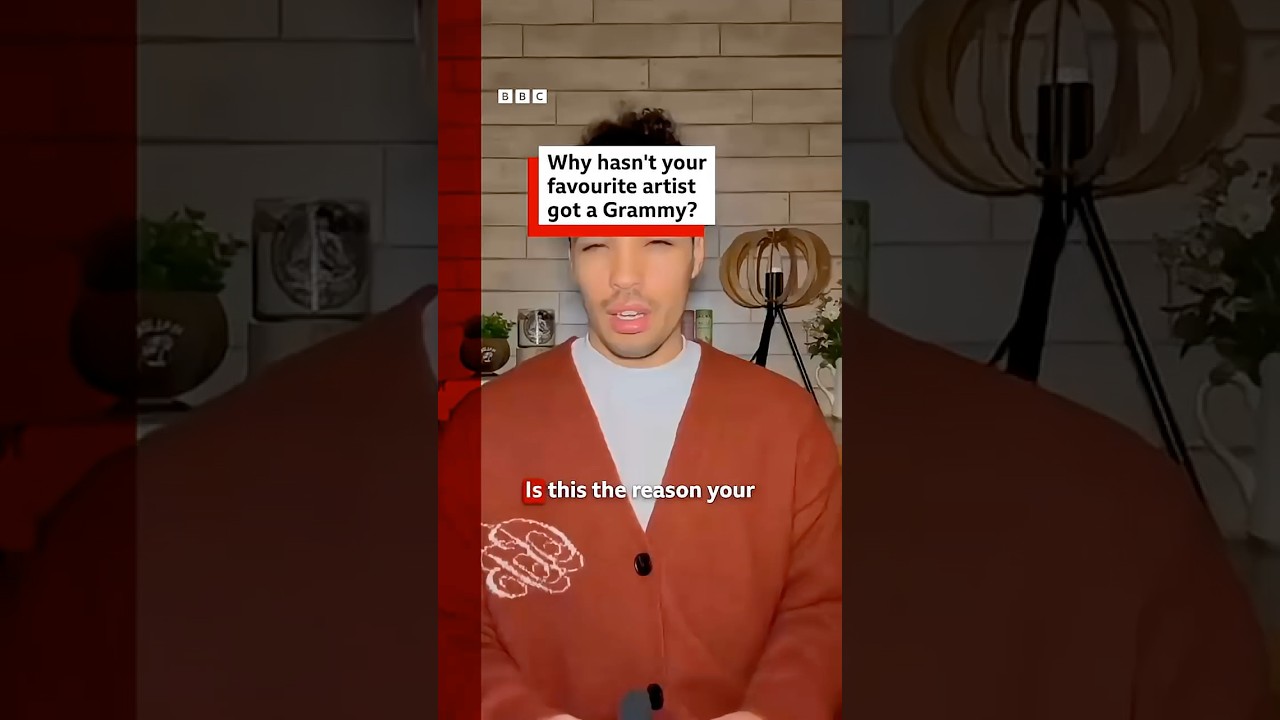
The Grammy Anomaly: Why Your Favorite Artists Might Be Missing Out on Awards
For music aficionados, the Grammy Awards represent the pinnacle of recognition in the industry. However, some of the most revered artists—Nicki Minaj, Lana Del Rey, and Snoop Dogg, to name a few—have remarkably not taken home a competitive Grammy. This reality prompts a myriad of questions: What factors contribute to these apparent snubs? Are the Grammys even a reliable measure of artistic excellence?
One significant aspect often overlooked is the submission process for nominations. Artists, along with their recording labels, bear the responsibility of submitting their work to the Grammys. This includes ensuring that the music adheres to specific eligibility criteria. If an artist chooses not to submit—or if their label fails to do so—then the music simply won’t be considered, regardless of its merit. A prominent case is Frank Ocean’s Blonde, an album many critics hailed as one of the best of 2016. However, Ocean opted not to submit it, viewing the decision as a protest against the Academy’s voting system.
The question of who votes is equally crucial in understanding the dynamics of the Grammys. Historically, the voting process was shrouded in secrecy, with small committees of 15 to 30 insiders making decisions. This model faced criticism due to allegations of favoritism and biases, which undermined its credibility. In response to growing scrutiny, the Grammy organization overhauled its voting system in 2021. The Academy expanded the voting body to approximately 15,000 individuals, a diverse mix of musicians, producers, and lyricists, as well as professionals who contribute to music, such as those writing album liner notes.
This shift towards a larger, more inclusive voting pool is intended to add transparency to the process. The Academy has positioned these reforms as an effort to empower its broader membership base, thus aiming to mitigate the favoritism that once plagued nominations. Critics argue that while these changes are positive, they do not necessarily guarantee fairness or quality as defined by the artistic community.
Allegations of rigging and a lack of diversity have also marred the image of the Grammy Awards. The Academy has categorically denied claims of rigging, insisting that its voting process is sound. Yet, many remain skeptical, citing instances where groundbreaking artists are overlooked for more mainstream alternatives. This raises the question: Is musical merit truly being recognized, or are biases simply shifting to a different demographic?
Moreover, the significance of the Grammys extends beyond immediate accolades. An award—or the lack thereof—can profoundly impact an artist’s career trajectory. For instance, being nominated can enhance an artist’s visibility, leading to increased sales and opportunities. Conversely, snubs may diminish an artist’s perceived value, creating a disconnect between artistic merit and commercial success.
The Grammy conundrum begs deeper examination. While some artists may want to distance themselves from a system they perceive as flawed, others might be yearning for recognition that eludes them. The disparity between artistic creativity and formal accolades is a complex issue, one that invites numerous perspectives. Artists often redefine what success looks like, sometimes opting for critical acclaim or fan loyalty over traditional awards.
Ultimately, the discussion surrounding the Grammys is more than just about awards. It touches upon broader themes of artistic integrity, industry politics, and the evolving relationship between creators and their recognition. The conversation isn’t solely about why certain artists haven’t won; it also challenges us to reconsider how we define success in the arts, questioning what it means when our favorite creators remain unacknowledged by prestigious institutions like the Grammys.
In a world where the music landscape is continually changing, artists and fans alike must navigate the complexities of recognition, ensuring that the value of creativity is celebrated, regardless of the trophies on display.