Is China the Real Winner in the Iranian Conflict?
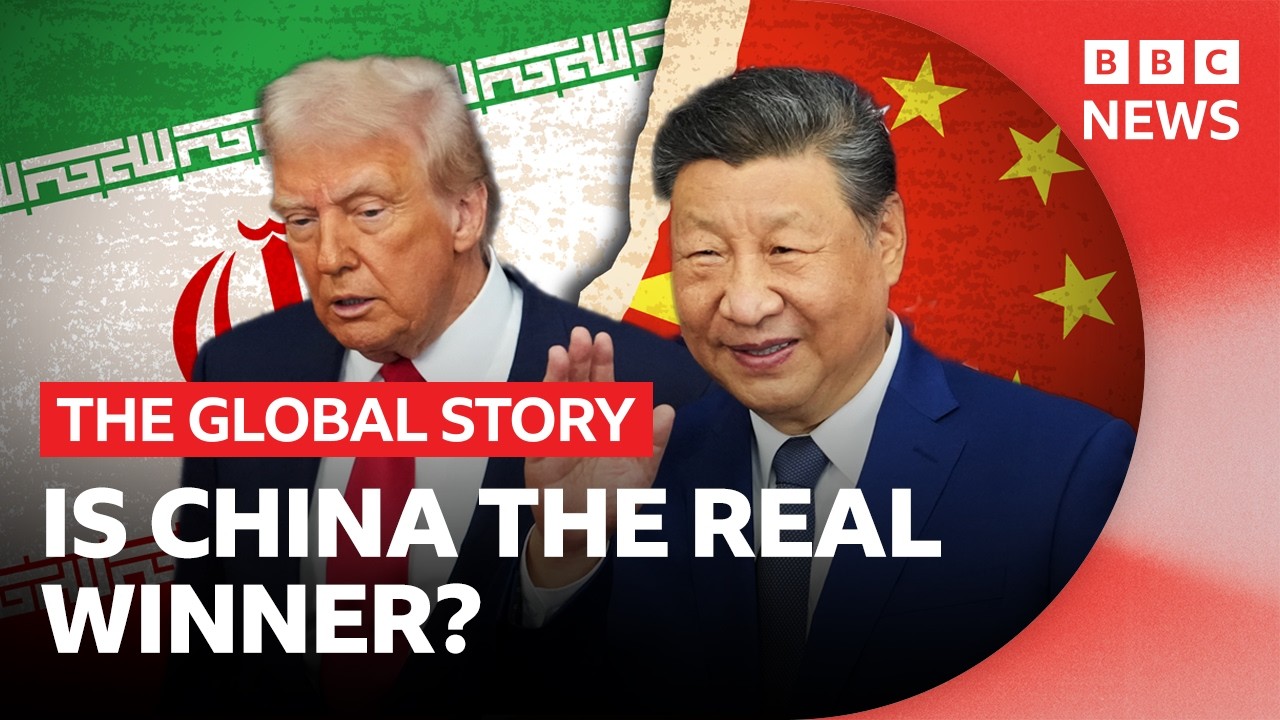
The ongoing war in Iran has stirred a multitude of geopolitical discussions. Occasionally, a provocative notion emerges: is China, a nation that doesn’t directly participate in the conflict, reaping the benefits? As tensions escalate, observers from various spectra begin to argue that while the United States finds itself entrenched in another Middle Eastern quagmire, China may end up fortifying its global standing. However, the narrative is far more nuanced than it first appears.
Historically, China and Iran have formed a symbiotic relationship. Despite the cut-and-dried view of China as one of Iran’s staunch allies, their ties are not devoid of complexity. In 2016, President Xi Jinping and Iranian officials agreed upon a robust $400 billion investment plan under a 25-year strategic partnership. Iran provides approximately 13% of China’s oil supply, which is vital given that oil constitutes around 80-90% of Iran’s total exports. Yet, the reality is that China sources a more significant portion of its oil from other Gulf nations, such as Saudi Arabia.
The war’s commencement in February saw China adopting a measured stance. Observers noted a lack of immediate official statements from Beijing, prompting questions about whether the situation could serve as both a crisis and an opportunity for the ruling Chinese Communist Party (CCP). With the U.S. mired in conflict, did this create a vacuum for China to step into? In a geopolitical chess game, the CCP seems to be playing it cautiously, perhaps opting to wait and watch rather than act impulsively.
The backdrop of the international stage presents a contrast during recent military parades in Beijing. Present were leaders from countries that belong to what some might label the “axis of upheaval”—notably Russia, North Korea, and Iran. While these displays of military prowess underscore an alliance against U.S. hegemony, it is essential to recognize that China’s alliances are intrinsically transactional. Unlike U.S. alliances which come with mutual defense commitments, China’s partnerships lack such binding arrangements, revealing a critical vulnerability.
Though one might argue that the conflict presents a chance for China to elevate its political significance, there are inherent risks. The extremely volatile situation can inadvertently trigger wider economic ramifications, especially given that China’s economy is intricately tied to global trade. The potential for higher oil prices emerging from the conflict could undermine China’s trade relationships, intensifying domestic pressures such as workforce dissatisfaction and wage inflations, particularly at major trade hubs like the Canton Fair.
At the fair, traders expressed concerns over rising costs—a staggering 20% increase in various goods due to the war. Such pressures lead to more than just economic discussions; they reveal a creeping sense of resignation among workers about job security and fair wages, indicating that for many, the conflict is a double-edged sword. While its leaders may attempt to present an image of stability and opportunity on the international stage, murmurs of discontent at home tell a different story.
A critical thread in this narrative is how US actions impact China’s calculations. As discussions heat up regarding the international response to the conflict, China seems keen on maintaining stability at all costs. They desire to avoid directly confronting the U.S. while simultaneously not allowing the situation to spiral out of control. Despite the perception of America focusing on the Middle East, the dynamic tension remains troubling for China, especially in the context of regional competitors like Japan and South Korea.
Moreover, the upcoming visit from former President Donald Trump adds another layer of complexity. As economic negotiations loom, China has to balance international posturing and domestic realities, ensuring they do not provoke Washington and jeopardize potential deals. It’s a challenging predicament—one where China’s national interests must mesh with the global sentiment surrounding the conflict.
In summation, while Beijing may appear to be maneuvering towards newfound advantages amid turmoil, the intricate economic implications challenge that narrative. The complexities encapsulated in this conflict reflect not just a strategic game at a grand level but also reverberate through the microcosm of the Chinese economy. China might not be the clear winner it is perceived to be, but rather a nation poised precariously on the tightrope of international and domestic pressures. The road ahead remains uncertain, but one thing is clear: opportunities carry risks, and the stakes are high.