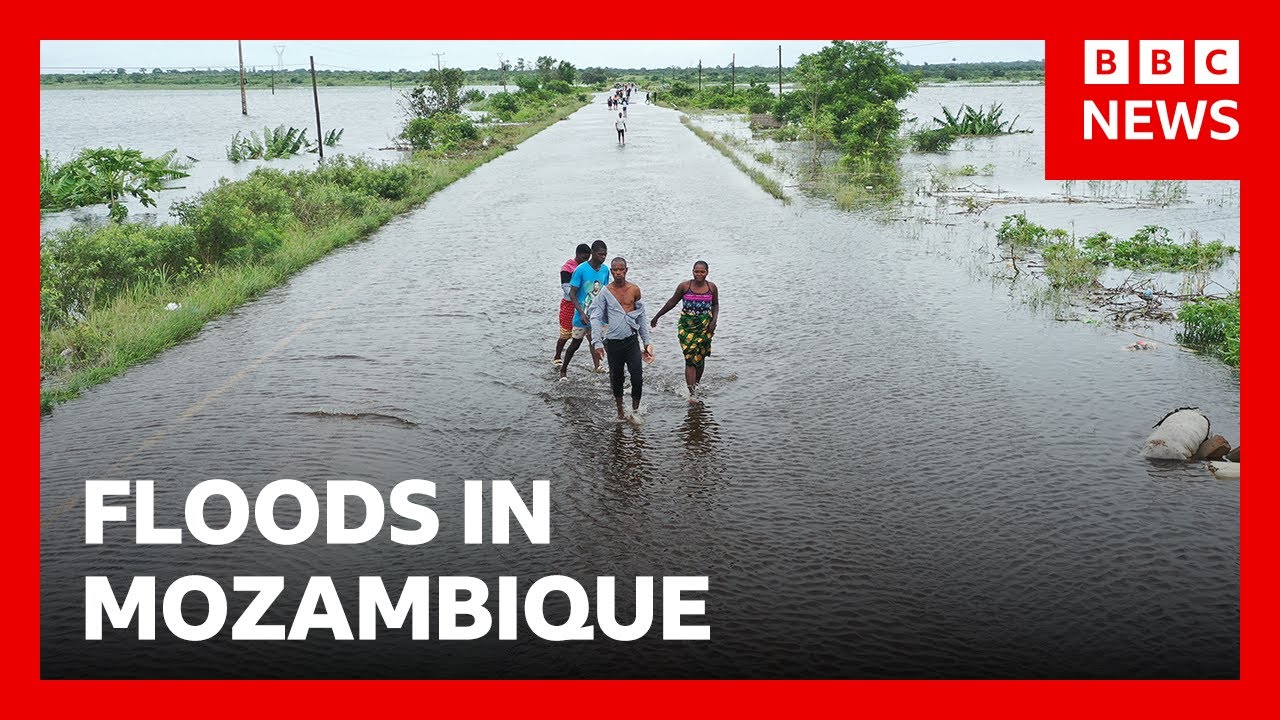
The Humanitarian Crisis Unfolding in Mozambique: Flooding Devastates Lives and Infrastructure
Mozambique is currently grappling with an unprecedented humanitarian disaster, as severe flooding ravages the central and southern regions of the country. Over the past few weeks, relentless torrential rains have submerged entire communities, displacing nearly 700,000 individuals and causing significant loss of life and infrastructure. Distressingly, more than 100 people are confirmed dead, with countless others unaccounted for.
The flooding in Mozambique is being described as the worst witnessed in many decades. Immediate response efforts are hampered by the government’s limited resources. According to BBC Africa senior correspondent Nomsa Maseco, the situation is dire. Emergency shelters that house those who have lost their homes are quickly running out of food. For many of those affected, the emotional toll is as devastating as the physical destruction; they have lost everything and now find themselves in urgent need of support and solidarity.
The impact of the floods extends beyond the individual tragedies, affecting entire villages that have been cut off from any relief. Roads, bridges, and healthcare facilities have collapsed under the weight of the surging waters, ultimately destroying more than 80,000 homes. As one displaced resident lamented, the flood not only stripped her of material possessions but also robbed her family of their means to obtain food. “This year, we’re going to go hungry,” she said, painfully aware that the cumulative disaster has left them without crops—“no cava, no corn.”
Many have faced life-threatening circumstances, with reports of residents trapped on rooftops as floodwaters rose ominously. The harrowing experience of one woman captures the desperate situation: “The water was frightening us,” she recounted. “We started to leave the house. Yesterday at midnight, we abandoned the house, unable to recover anything. All our clothes, all our food—the only thing I managed to save was my children.” This sentiment echoes the experiences of countless families who have fled their homes with little more than their lives.
As the floodwaters linger, the threat of waterborne diseases looms large. The displaced population now grapples with a critical lack of safe drinking water and sanitation facilities. This public health crisis adds another layer of urgency to the already desperate humanitarian needs. The situation is exacerbated by reports of high water levels in neighboring South Africa, which has prompted its government to issue evacuation orders for residents near the Santico Dam—an area poised to collapse at any moment.
Rescue teams continue to scour the flood-affected areas in search of the missing, but as time passes, hope diminishes. Families are left grappling with uncertainty amidst their grief and loss. The rescue operations are not just about locating the missing; they are also about providing immediate relief to those who have lost so much.
International organizations and local agencies have mobilized to deliver aid, yet the scale of the disaster poses significant challenges. Food, water, and medical supplies are critical needs that must be met decisively. Community solidarity and support networks will play pivotal roles during this trying time, as emotional and psychological recovery becomes as important as physical aid.
As Mozambique treads through this devastating episode, it serves as a reminder of the fragility of human existence in the face of nature’s overwhelming power. The world watches on, hoping for rapid recovery and sustainable rebuilding efforts in the aftermath of one of the most challenging crises the nation has faced in recent times. The road to recovery will be long and arduous, but with support and solidarity, there remains a glimmer of hope for a brighter future.