Rising Tensions: The Houthi Movement’s Attack on Israel and Its Implications
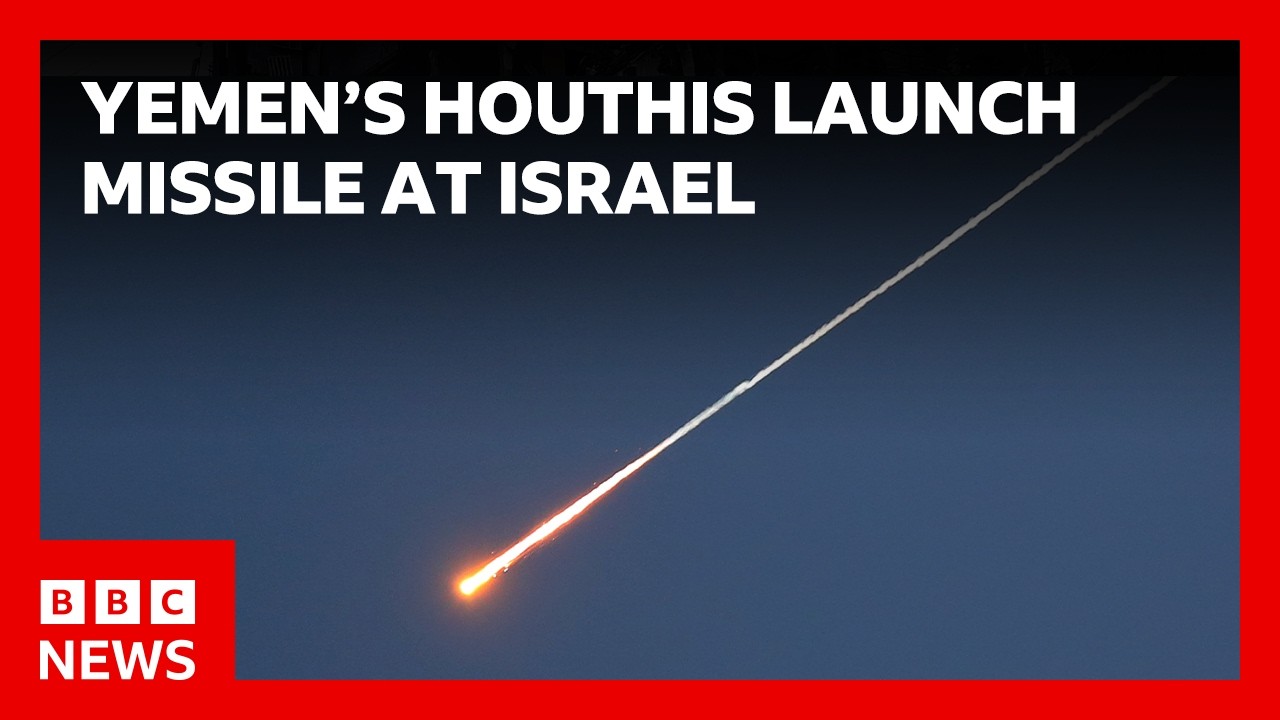
In an unprecedented escalation of the ongoing regional conflict, the Houthi movement in Yemen launched a missile towards Israel, marking its first direct involvement since the war against Iran erupted. The Israeli military reported that air raid sirens were activated in and around Beersheba, signaling the attack. Fortunately, no casualties were reported as the missile was intercepted. This event underscores the shifting dynamics in the region, driven by the Houthi group, which operates as a proxy force for Iran, and has threatened to enter the conflict in response to continued strikes against Iranian targets by Israel and the United States.
The implications of this missile launch are multifaceted. James Waterhouse, reporting from Jerusalem, highlighted that while missiles from Yemen typically do not pose significant challenges to Israeli defenses, the Houthis have previously targeted commercial vessels in the Red Sea. This critical shipping lane facilitates the transport of oil and gas, making it vital to global trade. An escalation in attacks on these commercial routes could exacerbate an already fragile economic landscape.
Professor Lena Katib from Chatham House emphasized that the activation of the Houthis represents a significant shift in Iranian strategy. Traditionally, Iran has relied on its more prominent proxies, such as Hezbollah in Lebanon and various militias in Iraq, but the Houthis’ entry suggests Iran is increasingly willing to leverage all available assets. Their intervention may indicate a diminishing array of pressure tactics as Iran faces persistent attacks from Israel and the US.
Amid these developments, the geopolitical landscape is evolving. Pakistan has announced plans to host discussions involving Turkey, Saudi Arabia, and Egypt regarding the conflict. Each of these nations maintains strong communication with Iran’s Islamic Revolutionary Guard Corps, providing a potential pathway for negotiations. While Professor Katib notes that the likelihood of an immediate resolution through dialogue remains low, the establishment of communication channels is vital for potential future settlements.
Notably, the dynamics of alliances in the region are shifting. For instance, a defense collaboration between Saudi Arabia and Ukraine, facilitated by the US, has emerged. This partnership holds the potential for technological exchanges, particularly in drone interception capabilities. Ukraine’s ongoing conflict with Russia has necessitated advancements in military technology, which could also be applicable in the Middle East context.
Fighting has not subsided significantly across the region. Reports of Iranian airstrikes have intensified in Tehran following Israel’s recent military activities. Furthermore, a missile reportedly struck a Saudi military base, injuring 12 American soldiers. The ongoing nature of these conflicts raises pressing concerns about the safety of American forces and regional stability.
In the Gulf, parallel attacks continue to unfold. Katy Watson, reporting from Doha, explained that missile debris injured six individuals near Abu Dhabi, while drone strikes caused considerable damage in Kuwait. These instances of aggression highlight the pervasive anxiety throughout the Gulf region and the potential for further escalation.
The collective concerns extend to critical maritime routes like the Strait of Hormuz, through which a significant portion of the world’s oil supply is transported. As tensions rise, the potential for wider conflict looms. The Houthi threat could reshape the strategic landscape, prompting airstrikes and military responses from various actors.
In conclusion, the Houthi missile launch represents a significant turning point in the ongoing conflict involving Iran, Israel, and their respective allies. As regional tensions escalate, the necessity for dialogue and diplomatic channels remains paramount. While significant challenges to peace persist, the evolving geopolitical alliances may play a critical role in shaping future responses to this multifaceted crisis. The realities on the ground reflect a complex tapestry of allegiances, military strategies, and economic stakes, reinforcing the precarious nature of peace in the Middle East.