Investigating the Shadows: Asylum Claims and Fabricated Identities in the UK
Recent investigations have illuminated an alarming aspect of the UK’s asylum system, revealing a clandestine network of law firms and advisers orchestrating false claims, particularly surrounding sexual orientation. This investigation, undertaken by BBC journalists Billy Campber and Phil Kemp, highlights a deeply troubling trend: the exploitation of the asylum process by individuals feigning sexual minority status to secure residency in the UK.
Asylum claims in the UK have reached unprecedented levels, surpassing 100,000, primarily fueled by diverse migrants arriving through various channels, including work and student visas, as well as tourists. However, amidst the ongoing debate over illegal crossings via small boats, the investigation shines a spotlight on a significant yet overlooked dimension of asylum claims that has been largely ignored.
The investigative approach initiated by Campber and Kemp began with recognizing this pressing issue and gathering evidence from different sources—documents, interviews, and firsthand accounts. As they delved deeper, it became evident that the nature of the problem demanded an undercover approach to unveil the hidden world of fraudulent claims. Utilizing skilled undercover reporters, they aimed to expose the extensive network facilitating these false claims.
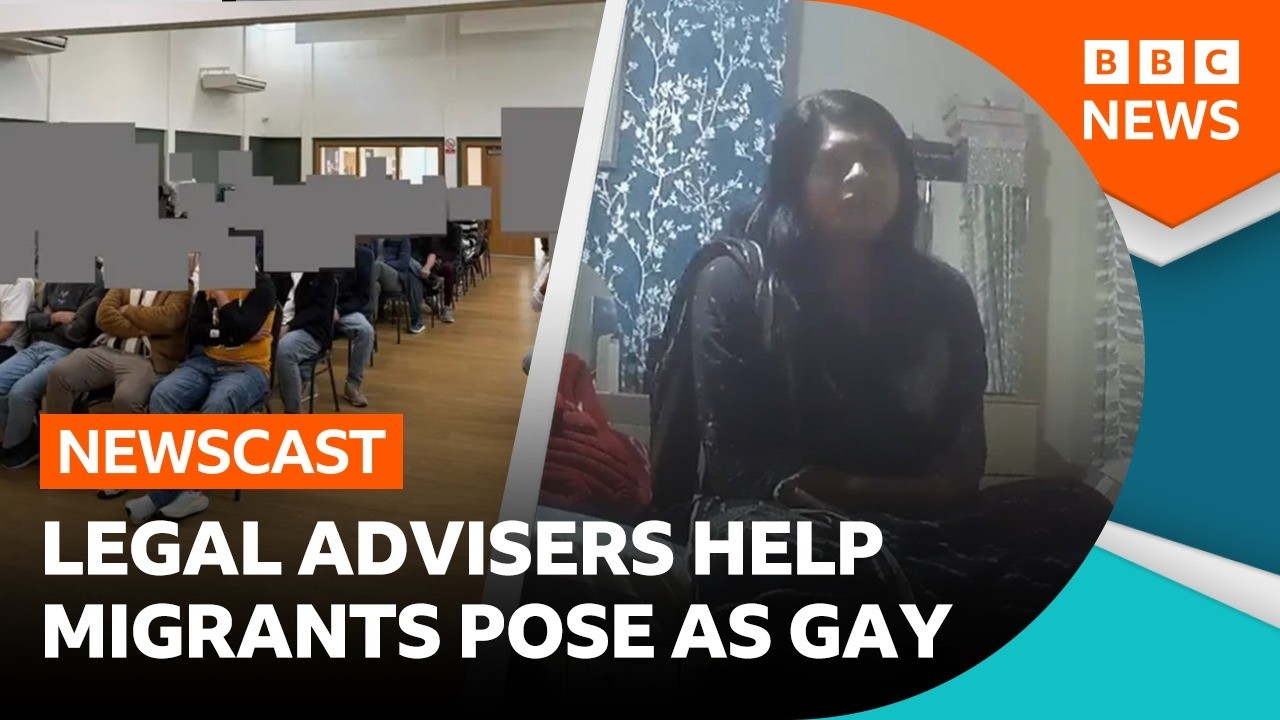
In one poignant instance, an undercover reporter was guided into the bedroom of a legal adviser named Tanisha, who offered a suite of services designed to assist in fabricating a credible claim of homosexuality. For individuals coming from countries like Pakistan, where same-sex relationships can lead to persecution, this path to asylum, although unethical, was presented as a nearly foolproof plan. Tanisha laid out a comprehensive strategy, advising the reporter on how to create credible evidence: attending gay clubs, collecting receipts, and even drafting false letters from a supposed partner.
Such elaborate schemes raise serious questions about the integrity of the asylum system. The blurred lines between genuine cases and fabricated claims present formidable challenges for authorities tasked with assessing the validity of applications. The investigation unearthed a systemic issue: a network of advisers and community groups, wherein many attendees were found to be feigning their identities, creating a faux ecosystem that undermines the fundamental purpose of asylum—providing safety to those in true need.
Testaments from other individuals caught in this web further reveal the lengths to which aspirants will go. One man shared how he simulated having HIV to bolster his claim, evidencing a troubling culture of deceit that complicates the asylum process for those genuinely seeking refuge. The implications extend beyond individual cases, as these fraudulent asylum claims effectively stall genuine applicants, complicating an already strained immigration system.
Furthermore, the findings suggest a disconcerting pattern where individuals previously successful in lodging bogus claims used their new status to bring family members into the UK under similar false pretenses. This raises significant concerns about the oversight mechanisms in place to detect fraudulent claims, leading to calls for further scrutiny and reform.
Political responses to this investigation have been swift and severe. Government officials, commenting on the exposé, labeled the practices as "deplorable" and called for urgent action to combat the misuse of the asylum system. The rhetoric from various political factions indicates a shared alarm at the exploitation of a system designed to protect the vulnerable. However, while the condemnation is strong, the path to implementing substantive reform remains fraught with complexity, as officials grapple with balancing compassion for genuine asylum seekers against the realities of growing fraudulent claims.
The intricate dance between providing accurate and compassionate asylum assessments while simultaneously preventing exploitation presents a formidable challenge for policymakers. Ensuring a fair and effective asylum process demands an overhaul of existing frameworks to mitigate fraud while safeguarding those in legitimate danger.
As this investigation continues to unfold, it poses critical questions about the future of the asylum system in the UK. The balance between human rights, legal integrity, and the need for protection is delicate. Addressing the issues unearthed by Campber and his team will require concerted effort and a willingness to confront uncomfortable truths about the current immigration landscape.
In navigating this complex labyrinth of asylum claims, the UK faces critical decisions that could reshape its approach to immigration and the protection of vulnerable populations. The revelations brought to light through diligent investigative journalism serve not only to inform the public but also to challenge authorities to take meaningful action in preserving the integrity of their asylum system.