The Escalating Conflict: A Global Perspective on the War Between the U.S., Israel, and Iran
As the conflict between the United States, Israel, and Iran deepens, with Day 16 of Operation Epic Fury revealing stark ramifications, the situation portrays an alarming crisis affecting not just the nations involved but the global community at large. The U.S. and Israel have intensified their military operations, targeting what they describe as vital regime infrastructure across Iran. Reports of explosions echo through Tehran, underscoring the pervasive anxiety felt by its residents. U.S. President Donald Trump has publicly declared that there will be no immediate negotiations to end the war, escalating hopes for an early resolution.
The conflict is not confined to Iran alone. Israeli air strikes have tragically claimed lives in southern Lebanon, demonstrating the broader regional consequences of the war. While President Emmanuel Macron of France has extended an offer to mediate talks between Israel and Lebanon, the Israeli Foreign Minister has dismissed such discussions for the time being. This exacerbates an already tense situation, wherein both parties refuse to engage diplomatically, despite the pressing need for de-escalation.
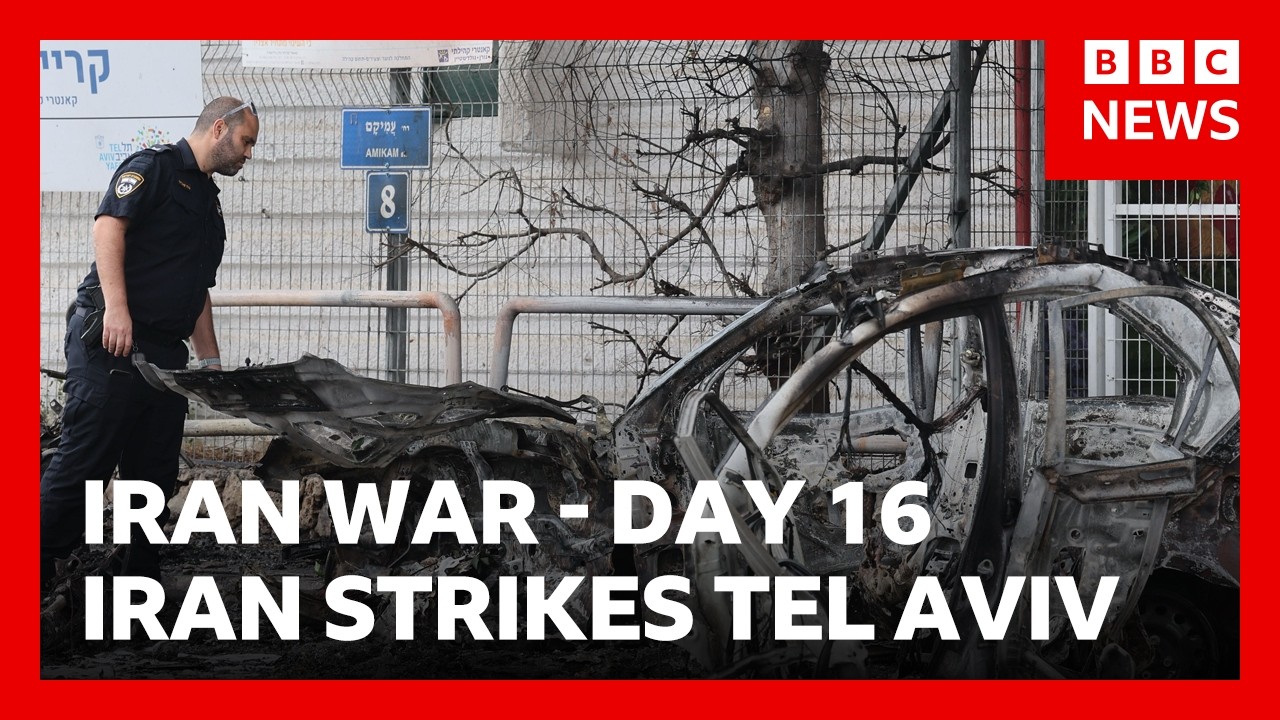
As Iran retaliates, central Israeli cities like Tel Aviv face missile assaults. The scenes are chaotic and destructive, with vehicles overturned and fires raging through residential areas. The situation is precarious, as residents live with the omnipresent fear of missile strikes. Iran’s Revolutionary Guard has escalated its threats, stating a resolve to target Israeli leadership, further complicating prospects for a diplomatic resolution.
One point of focus in this ongoing crisis is Khark Island, Iran’s main oil hub. Trump’s administration claims that air strikes have devastated this critical infrastructure, branding future attacks as potentially "just for fun." The implications of this shift could impact the global economy significantly, as disruptions in oil supply invariably raise prices. With oil tankers reluctant to navigate the Strait of Hormuz due to the risks involved, the stakes have dramatically heightened for Gulf Arab states, who find themselves deeply entangled in the conflict despite wishing to remain neutral.
The situation is further complicated by the activities of Hezbollah, a Lebanese militant group backed by Iran. Reports of advanced missiles being fired at Israeli bases highlight the escalation on both sides. Within Lebanon itself, reports indicate a catastrophic humanitarian impact, with over 800 casualties and nearly one million displaced individuals since the war began. The Lebanese government, struggling to contain the violence, faces fierce criticism for its inability to rein in Hezbollah’s operations against Israel.
Lena Sinjab, a correspondent in Beirut, provides insights into the widespread discontent among the Lebanese populace concerning Hezbollah’s actions, which some view as fueled by Iranian interests rather than national sovereignty. This perception has led to a decline in Hezbollah’s popularity, posing questions about its legitimacy as a resistance group. Such skepticism, combined with the devastation resulting from Israeli airstrikes, adds layers to an already complex narrative.
Meanwhile, Iran has not hesitated to project its military might onto neighboring Gulf states, issuing warnings that have sent ripples of fear across the region. As Gulf nations face the potential for direct confrontation, their diplomatic stances are strained. The closure of vital shipping routes in the Strait of Hormuz emphasizes the urgency not just for regional security but for global economic stability.
Even in the midst of such turmoil, individuals in Iran express a mix of emotions. Many citizens grapple with uncertainty and anxiety regarding their futures. Some, however, reveal a flicker of hope—a hope that a change in leadership might emerge from this turmoil, even if the path to such change remains shrouded in fog.
As the war continues to evolve, the international community watches closely. The need for an urgent diplomatic effort to address the underlying tensions becomes increasingly evident. Without proactive engagement, the conflict risks spiraling further out of control, threatening not just the Middle East but global peace and economic stability as well.