The Escalation of Conflict: A Closer Look at the US-Israel-Iran War
The ongoing conflict between Israel and Iran has intensified, entering its third week with no signs of a de-escalation in sight. As of now, the conflict continues to evolve, drawing in various regional actors and exacerbating an already complex geopolitical landscape.
Military Developments
On the military front, Israel has ramped up its operations against Iran, targeting infrastructure deemed vital to the Iranian military. Israeli Defense Forces (IDF) have recently expanded their airstrikes to both western and central Iran, focusing on facilities involved in drone operations. This escalation is characterized by a statement from an IDF spokesperson who revealed plans for at least three additional weeks of military campaign, citing thousands of targets still available for attack. The aim appears to be the destabilization of what Israel terms Iran’s “regime infrastructure.”
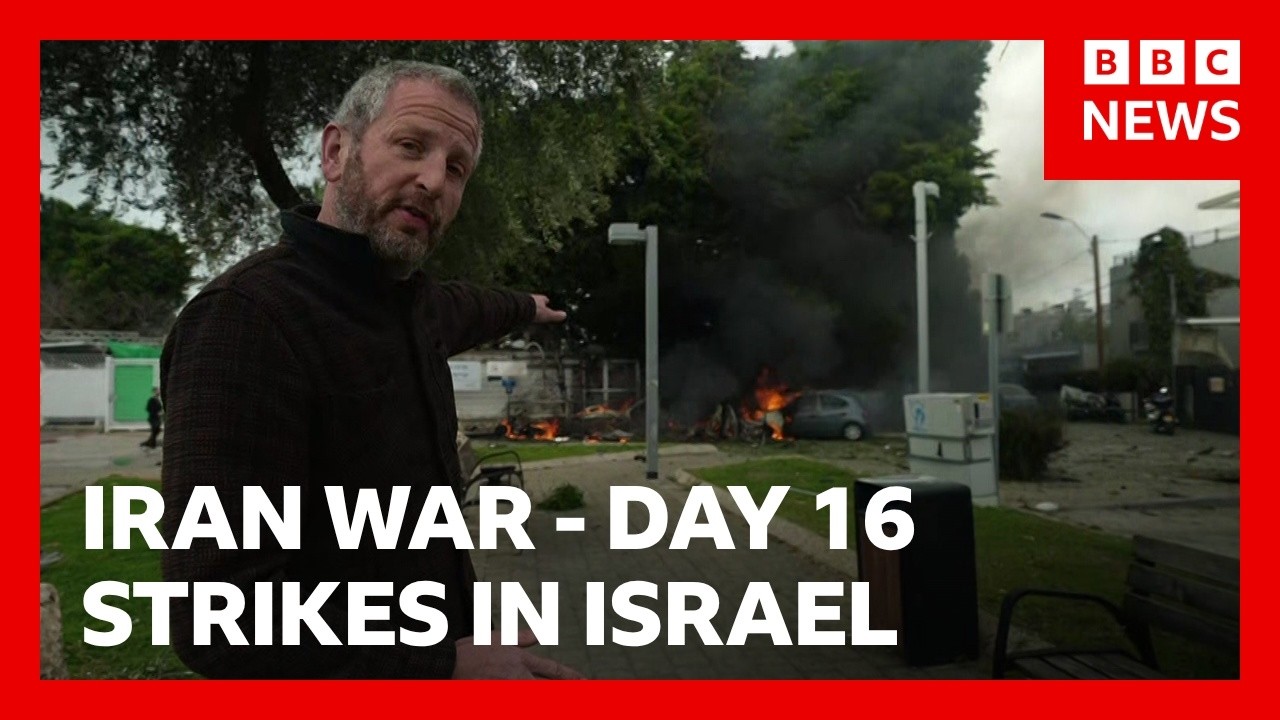
Iran has not remained passive in the face of these assaults. Retaliatory missile strikes have hit Israeli territory, including a recent attack near Tel Aviv that, while damaging, resulted in no casualties. Iranian Foreign Minister Abbas Arachi asserted that Iran has not sought a ceasefire, emphasizing Tehran’s readiness to defend itself "for as long as it takes." He pointed out that the situation warrants continued resilience against what he characterized as illegal military aggression.
Human Impact
The human cost of this ongoing conflict is staggering. In Lebanon, updated reports indicate that Israeli airstrikes have claimed the lives of over 800 individuals and displaced more than 800,000 people as the fighting escalates. The humanitarian implications are dire, raising urgent questions about the future stability of the region.
Eyewitness accounts from areas affected by missile strikes reveal a blend of panic and chaos. Journalists on the ground describe the aftermath of attacks, detailing destroyed vehicles and residential damage. This violence contributes to a state of uncertainty among civilians, many of whom are grappling with fear and a lack of essential goods due to ongoing hostilities.
Diplomatic Standstill
The possibility of diplomatic resolution seems increasingly remote. President Donald Trump has indicated a willingness to negotiate, noting that Iran is interested in making a deal, albeit on terms that are not currently satisfactory to the U.S. In stark contrast, officials from Tehran maintain that they have not sought formal negotiations, arguing that any talks could only occur after the current military strikes cease. This dichotomy highlights a fundamental disconnect in communication between the two nations, further complicating the path toward peace.
Amidst these developments, it is noteworthy that discussions among regional actors and Gulf countries, previously involved in mediation, have faltered. Countries like Oman, which played a role in brokering earlier agreements, are frustrated over the renewed hostilities, finding that their diplomatic efforts have deteriorated under the current circumstances.
Geopolitical Dimensions
The implications of this conflict extend far beyond the immediate military actions. The Strait of Hormuz, a critical passageway for global oil shipments, has become a focal point of concern. With Iran’s control over this strategic route, the potential for disruption looms, posing economic risks not just for the countries directly involved, but for the global market as a whole. Analysts are noting that the longer the conflict persists, the more acute these economic repercussions will be.
Looking Ahead
As military actions escalate and diplomatic avenues diminish, the question remains: what will it take for both sides to reconsider their current strategies? The Iranian regime, though weakened, has shown resilience, leveraging its geographic advantages and military capabilities. Meanwhile, Israel and the United States are keenly aware that the longer the conflict continues, the more unpredictable the outcome will likely be.
In summary, the US-Israel-Iran conflict reflects a complex interplay of military strategy, humanitarian crises, and geopolitical maneuvering. As the situation unfolds, it remains crucial for analysts and policymakers to closely monitor developments, as the stakes are high—not just for those directly involved, but for global stability at large. The coming days will be critical in determining whether a shift toward dialogue can emerge amidst the roar of conflict.