Understanding the Current Landscape of the U.S.-Israel-Iran Conflict
Overview
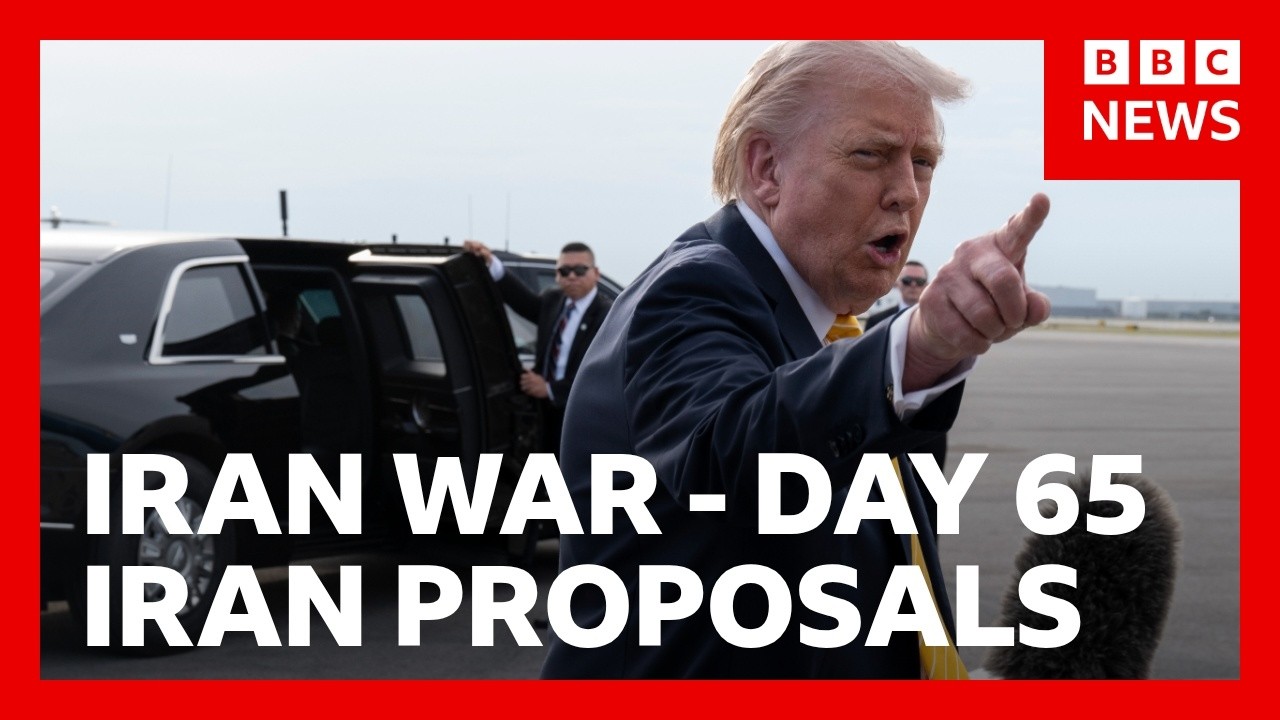
As the U.S.-Israel war with Iran enters its 65th day, tensions continue to escalate, marked by military posturing and diplomatic maneuvering. Recent statements from Iranian officials underscore a critical juncture in the conflict, suggesting the U.S. may face a stark choice between a dubious military strategy or an unfavorable diplomatic agreement. Meanwhile, developments in Lebanon and global fuel markets reflect the far-reaching consequences of this conflict.
Iran’s Defiant Stance
The Iranian Revolutionary Guard Corps recently issued a declaration asserting that the U.S. is increasingly constrained in its decision-making capacities. They claim that further military aggression will yield diminishing returns. In a sharp rebuttal, President Trump indicated he would likely reject Iran’s latest peace proposal. He emphasized that any diplomatic overtures should follow significant penalties against Iran for past actions, particularly over the last four decades. Trump made his sentiments clear via social media, indicating a readiness to dismiss a 14-point peace plan reportedly submitted through Pakistan.
This peace plan suggests a seismic shift in Iran’s approach to negotiations. Notably, it calls for an immediate cessation of hostilities, reparations for war damages, and the unblocking of Iranian financial assets. Critically, it demands the withdrawal of U.S. forces from around Iran—a point of contention likely to obstruct any forthcoming discussions.
Increased Military Tensions in Lebanon
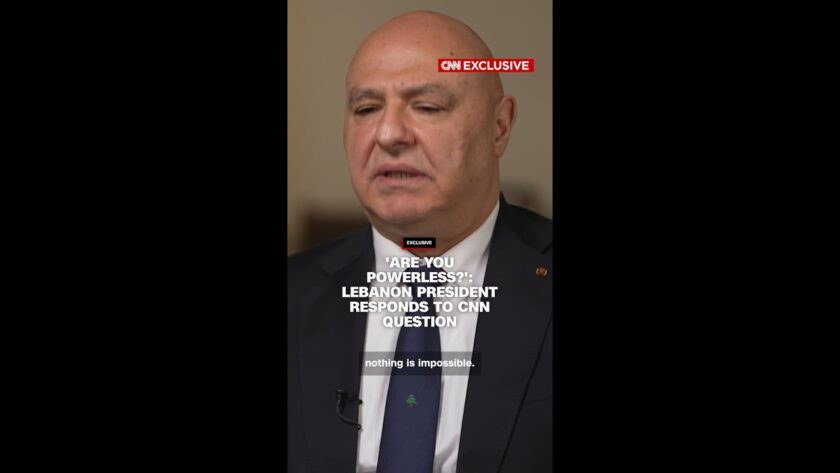
Compounding the complexities of the conflict, the Israeli military recently issued urgent evacuation warnings for over ten villages in southern Lebanon. This warning comes at a time when a ceasefire is under serious strain, largely due to the continued militant activities of Hezbollah. Israel maintains its right to target Hezbollah positions that it claims pose a threat. Reports indicate that strikes have persisted despite a formal cessation of hostilities, resulting in casualties—including at least 30 deaths over the past few days.
The ongoing violence illustrates the fragile nature of existing agreements and the risk of escalation. Humanitarian considerations and the well-being of civilians in affected regions have become secondary to military objectives.
Impact on Global Fuel Markets
The ramifications of this regional conflict extend far beyond the immediate combat zones. A blockade of the Strait of Hormuz has disrupted the transportation of vital fuel supplies, leading to increased jet fuel prices. The British government has introduced measures to ease the burden on airlines grappling with fuel shortages. These contingency plans signal concerns of potential flight cancellations, exacerbating passenger discontent during peak travel seasons.
Airlines in the UK, while reporting no immediate fuel shortages, are wary. With 65% of jet fuel imported from abroad, particularly from the Middle East, the risk of operational disruptions looms large. Plans have been put in place for airlines to return landing slots temporarily to secure financial stability during this crisis.
The Role of Technology in Civil Liberties
In a striking move to counteract the ongoing internet blackout in Iran, a network of individuals has begun smuggling Starlink satellite terminals into the country. This effort aims to provide Iranians with alternative means of communication and information sharing. The need for such initiatives highlights the regime’s tight grip on information, with the current blackout stretching into its 65th day.
Reports indicate that various methods of communication are being utilized to circumvent government controls. Despite risks, many Iranians are leveraging both internal and external platforms to share their realities with the world.
A Diplomatic Fork in the Road
Amid these challenges, talks of diplomacy continue. While Trump’s dismissal of Iran’s peace proposal illustrates a stalemate, the evolving discussions around the nuclear program present a potential opening. Iran appears to have softened its position regarding nuclear enrichment timelines, suggesting a possible pathway for negotiations. However, substantial hurdles remain, particularly concerning U.S. distrust and the broader geopolitical landscape.
Conclusion
The U.S.-Israel-Iran conflict is at a critical juncture, poised between military confrontation and diplomatic overtures. As events unfold, all stakeholders must navigate a complex web of interests and pressures. The stakes are high, not just for the parties directly involved but for the broader region and global communities affected by the consequences of this prolonged conflict. The next steps taken will shape the geopolitical landscape for years to come.