An Extended Ceasefire: Implications of Trump’s Decision on US-Iran Relations
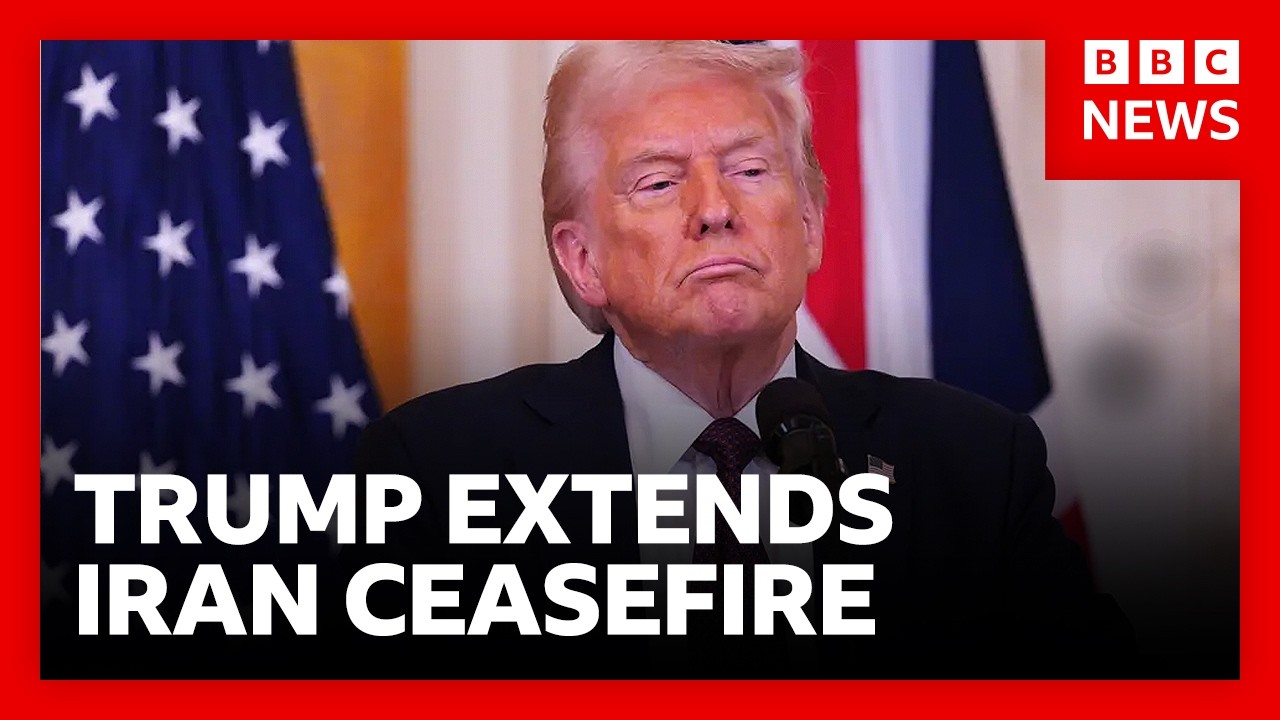
As the two-week ceasefire between the United States and Iran comes to a close, President Donald Trump has made a crucial announcement: the ceasefire will be extended until Iranian leaders submit a proposal and negotiations reach a resolution. This decision comes on the heels of repeated aggressive posturing, including Trump’s earlier threats of military action against Iran.
In a social media post, Trump emphasized that while the United States would maintain its naval blockade of Iranian ports in the strategically vital Strait of Hormuz, he would provide Iran with additional time to formulate and discuss potential proposals—a move he attributed to requests from the Pakistani government. This apparent diplomatic overture marks a notable shift in tone from the President’s earlier rhetoric, where he suggested a readiness to escalate military actions, claiming his military was prepared to act.
Interestingly, this latest decision seems to counteract the belligerent stance Trump had taken just hours earlier during an interview. He spoke candidly about his willingness to unleash military force against Iran, indicating an intention to destroy critical infrastructure across the nation. This abrupt pivot raises questions about the underlying motivations behind Trump’s change of heart. Was it a genuine effort to seek peace, a strategic maneuver to appear less aggressive, or both?
Observers like Sarah Smith note that this rapid turnaround may be an attempt to recalibrate U.S. engagement with Iran without losing face. By framing the ceasefire extension as a concession made at Pakistan’s request, Trump avoids the appearance of retreat. However, moving from aggressive threats to a dialogue-oriented stance raises eyebrows across the political and international landscape.
In Tehran, reactions to Trump’s announcement are less optimistic. Lyse Doucet, reporting from the Iranian capital, highlights the skepticism among Iranian officials regarding the sincerity of U.S. intentions. At the Iranian Foreign Ministry, discussions were underway regarding whether to engage in talks with the United States. This ambivalence stems from a long history of distrust and previous interactions with the U.S. that ended in failure, particularly following airstrikes endorsed by the U.S.
Foreign Ministry spokesperson Izadi Baghaei articulated this skepticism, emphasizing that threatening rhetoric from Trump—including threats to bomb strategic sites and assertions about the blockade of shipping lanes—undermines any faith in diplomatic processes. This ambient tension suggests that while Iran may welcome the extension of the ceasefire, there is a pervasive sense of vulnerability.
Iranian officials have raised concerns about the U.S. approach since the conflict erupted, citing violations of ceasefire conditions, including recent incidents of naval blockade and the seizure of Iranian vessels. A proportionality of actions is key to de-escalating tensions, but as Baghaei pointedly remarked, Iran feels that the U.S. has continually failed to adhere to the agreed-upon terms.
Most Iranians remain convinced that the likelihood of a return to conflict is significant. History supports their paranoia; the collapse of previous diplomatic efforts has left many wary of the intentions behind the U.S. actions. The overarching sentiment among the populace is one of profound mistrust, with many viewing Trump’s latest announcement as another step in an intricate dance of posturing rather than a genuine commitment to peace.
As the deadline for final proposals from Tehran approaches, the world watches carefully. This complex geopolitical chess match between the U.S. and Iran hinges not only on military capabilities but also on the fragile nature of diplomacy between two adversarial nations. With each passing day, the risk of missteps or misinterpretations threatens to keep the cycle of tension alive.
In conclusion, while President Trump’s extension of the ceasefire may be perceived as a potential opening for negotiation, the continued naval blockade and aggressive rhetoric cast a long shadow over the prospects of genuine dialogue. Whether Iran will accept this overture remains uncertain, but one thing is clear: the geopolitical landscape remains fraught with complexities that could easily escalate into conflict if not navigated with care.