Understanding the Political Landscape: Insights from Recent Select Committee Hearing
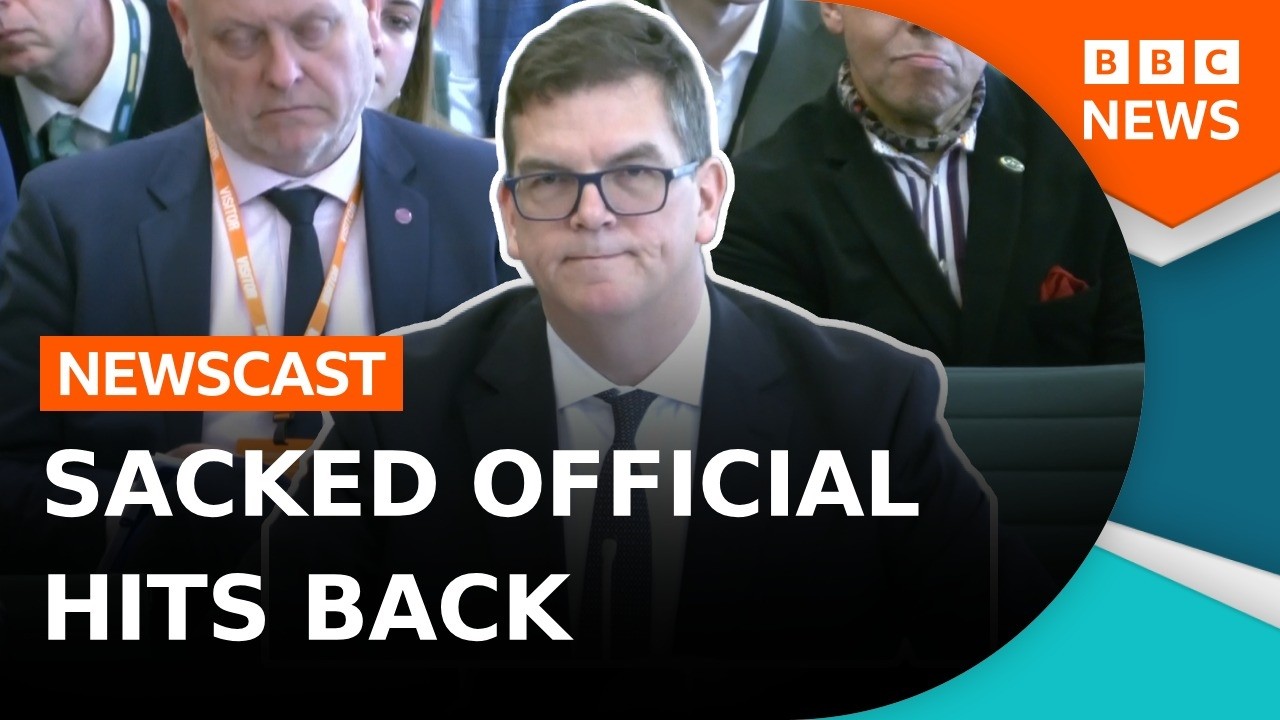
The recent select committee hearing featuring Sir Ollie Robbins at Westminster has ignited significant discourse within political circles. As an esteemed former civil servant, Robbins provided an in-depth examination of the complexities surrounding Lord Mandelson’s vetting process for his appointment as ambassador to Washington. This session not only revealed the intricacies involved but also shone a spotlight on the existing tensions between civil service protocols and governmental directives.
Robbins stepped into his role as permanent secretary in January 2025, amidst a turbulent political environment. From the outset, he faced considerable pressures tied to Mandelson’s impending appointment—pressures that appeared to circumvent standard vetting procedures. The essence of Robbins’ testimony revolved around the narrative that by the time he assumed his position, the prime minister had already put significant momentum behind Mandelson’s candidacy.
Highlighting the timeline of events, Robbins clarified that prior due diligence had already been undertaken when he arrived. He noted that the prime minister’s unequivocal endorsement of Mandelson left little room for civil service discretion. However, a tension emerged as Robbins pointed out that the ultimate conclusions from the vetting process, which included numerous ‘red flags,’ were never communicated to him directly. This lack of transparency raises pressing questions about the vetting system’s efficacy and the extent of accountability each party holds.
The hearing evoked parallels to dramatic courtroom narratives, as several MPs likened it to a gripping film unfolding in real time. Robbins’ articulate defense underscored a critical argument about the nature of confidentiality in security vetting processes. He posited that while he had been briefed, he lacked access to the actual documentation that might have clarified the situation. This distinction is crucial; it implies a systemic failure rather than individual misconduct. The former permanent secretary suggested that, in his experience, confidentiality is paramount to encourage openness during vetting procedures.
An exchange in the hearing revealed that there had been other discussions about appointing political appointees to key diplomatic roles, including Lord Doyle, who had been Prime Minister’s director of communications. This revelation added another layer of complexity to the ongoing narrative, insinuating that there might be a trend of circumventing traditional procedures for political expediency. Such deployments could potentially undermine the integrity of diplomatic assignments, a point Robbins seemed to grapple with throughout.
It became apparent that the committee’s inquiry could not escape the broader implications of political pressure on civil service impartiality. The urgency expressed by Downing Street for Mandelson’s appointment raised questions about the propriety of rushing through essential vetting processes. Robbins insisted that while the unique context of Mandelson’s appointment may have warranted expediency, it should never come at the cost of integrity.
As the hearing unfolded, Robbins faced scrutiny not only regarding his roles but also about the systemic issues he highlighted. He maintained that speculation around concealed information about retreating vetting recommendations underestimated the complexity of the decision-making process. Furthermore, the absence of documentation to substantiate his claims intensified the scrutiny against him.
In an environment already rife with political controversies, the hearing’s fallout may reverberate through future governmental actions and civil service norms. Robbins left the committee with indications that he might consider legal action, hinting at a more profound institutional conflict.
The hearing concluded amidst an atmosphere laden with tension and uncertainty, accentuating the fragile relationship between the civil service and governmental authority. As the political landscape continues to evolve, the implications of Robbins’ testimony could serve as both a cautionary tale and a catalyst for re-evaluating the integrity of the United Kingdom’s diplomatic appointments and the crucial vetting processes behind them.
In sum, the recent developments at Westminster remind us of the intricate balance between expediency and integrity in governance—a balance that will define the ramifications of this political saga for years to come. As we look ahead, it remains vital for both civil servants and politicians alike to heed the lessons learned from these hearings, ensuring a system that values transparency and accountability.