Escalation in the Strait of Hormuz: A Complex Web of Military Strikes and Diplomatic Failures
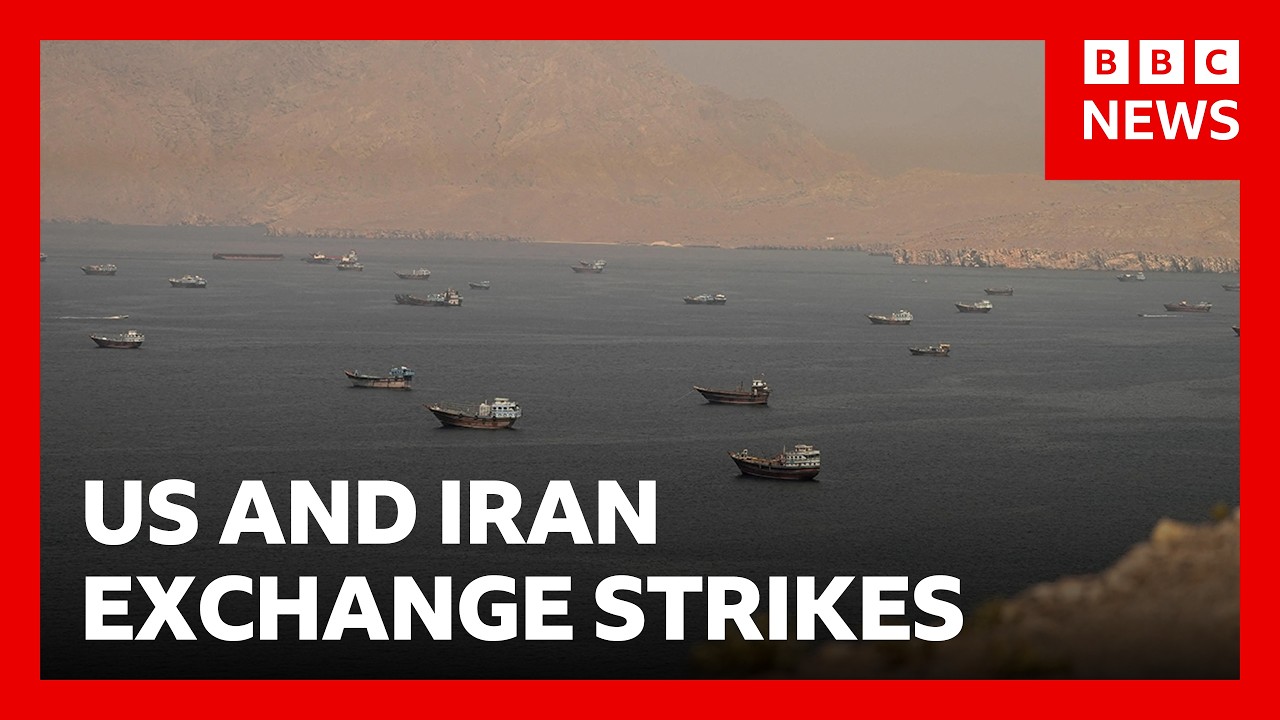
The recent surge of military action between the United States and Iran marks another chapter in the ongoing tensions that define their relationship. The U.S. military has initiated a systematic wave of strikes targeting key Iranian military installations, including radar systems, air defenses, and drone storage facilities near the strategically significant Strait of Hormuz. These actions were largely a response to Iran’s drone attack on a Panama-flagged oil tanker, an incident occurring in the early hours of a Saturday morning.
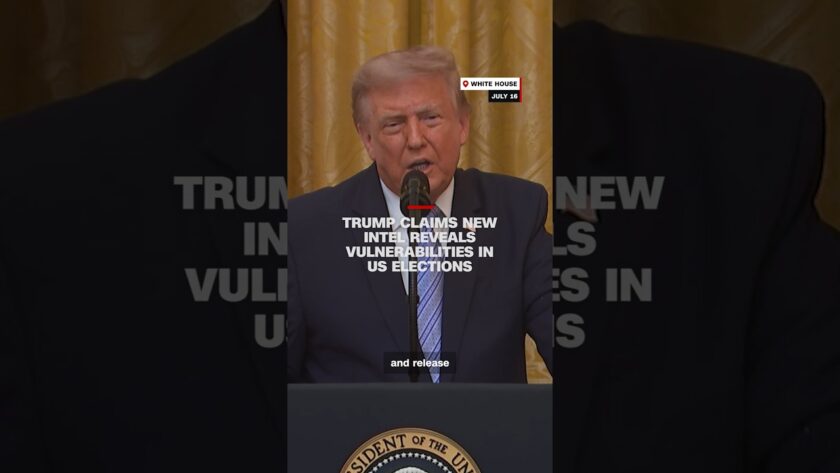
In an assertion of military retaliation, U.S. officials indicated that Iran had breached a ceasefire agreement, which was meant to stabilize relations following prior concessions. President Trump reinforced this narrative through social media, suggesting that Iran’s failure to learn from past engagements could lead to a military resolution that would completely dismantle the Islamic Republic. His rhetoric emphasizes a growing impatience, suggesting a willingness to escalate the conflict further should diplomatic efforts continue to falter.
These military operations are not isolated events but rather part of a broader, complicated geopolitical landscape. In the days leading up to these strikes, the U.S. had already targeted Iranian missile and drone infrastructure in response to previous attacks on cargo vessels. Iran’s justifications for these actions included claims that the attacked ships violated established maritime routes in the Gulf waters.
Contextualizing these recent military maneuvers is essential for understanding the underlying causes of the renewed hostilities. As noted by Omar Mahmoodian, a research fellow at the Global and National Security Institute, the current staunch stalemate in U.S.-Iran negotiations regarding free navigation in the Strait of Hormuz plays a pivotal role. The U.S. is eager to ensure freedom of movement in the Strait, particularly near Oman’s coastline, viewing Iranian control over this route as a threat. In contrast, Iran remains steadfast in its desire to maintain leverage over its maritime routes, utilizing the strategic chokepoint as a bargaining chip in ongoing negotiations.
The situation is further complicated by recent developments involving Lebanon, where U.S.-mediated agreements between the Lebanese government and Israel have raised alarms in Tehran. These agreements potentially undermine Iran’s influence in the region, particularly concerning the activities of Hezbollah, an Iranian ally. Iran’s Revolutionary Guard Corps has explicitly stated it would retaliate against perceived aggressions by the U.S. or its allies, further entrenching the regional dynamics of conflict.
The ambiguity surrounding the terms of previous ceasefires and agreements may also be exacerbating tensions. Mahmoodian notes that the memoranda of understanding often contain vague provisions that invite differing interpretations from each party. Iran asserts that only certain maritime routes are open for navigation, while U.S. officials maintain a contrasting interpretation that suggests a broader scope of accessible routes. This discrepancy has significant implications for maritime security and international shipping routes, critical to global trade.
As the two nations grapple with these intricate issues, the civilian populations of countries like Bahrain and Kuwait face heightened security threats. Air raid sirens have resonated throughout these nations, signaling the tangible dangers posed by a conflict that seems to cycle endlessly between rhetoric and military action.
In conclusion, the escalation of strikes by the U.S. on Iranian targets serves as a stark reminder of the fragile state of Middle Eastern geopolitics. A complex interplay of military might, diplomatic stagnation, and regional instability underscores the importance of finding a viable pathway toward de-escalation. Without significant dialogue to clarify misunderstandings and reinforce ceasefires, the cycle of retaliation threatens to spiral further out of control, impacting not only the immediate participants but broader international stability as well.