Unmasking the Air Canada Pilot Fraud: A Real-Life Drama Unfolds
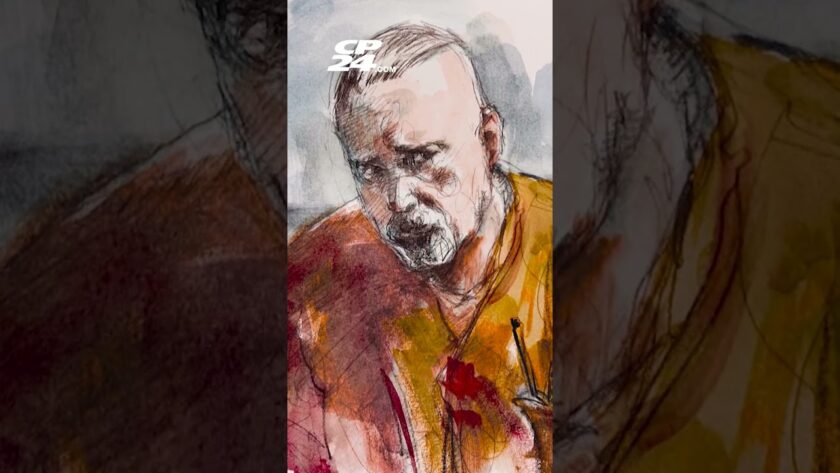
The aviation industry thrives on safety and trust. Passengers board planes with the firm belief that skilled professionals are at the helm. However, an unfolding investigation has revealed a startling breach of this trust. Jeff Wall, a long-serving Air Canada pilot, is embroiled in allegations that read like a plot twist from a thrilling movie, but the implications of the case are anything but fictional.
For over a decade, Wall reportedly captained a fleet of flights including the Boeing 767 and 777—aircraft that he allegedly wasn’t licensed to operate. According to investigators, this deception spanned over 900 domestic flights, where tens of thousands of passengers unwittingly entrusted their lives to him. The financial compensation he received for these unauthorized flights is estimated to total millions of dollars, raising questions about accountability and oversight in the airline industry.
The charges against Wall include fraud and forgery. Interestingly, he had an illustrious career, having flown with Canada’s Armed Forces and occupying a significant role as the chair of the Air Canada Pilots Association. Notably, during a public appearance on CTV’s Canada AM in 2015, Wall spoke with authority about aviation matters, all while allegedly lacking the proper licensing. Speculation surrounds how such a high-profile pilot could evade scrutiny for such an extended period.
Air Canada released a statement defending Wall’s professional capacity, asserting that the safety of their operations remained uncompromised. The airline emphasized that all pilots, regardless of their licensing status, participate in mandatory recurrent training every six months to affirm their flying skills. This raises a critical point: how was Wall able to pass these assessments without a valid license?
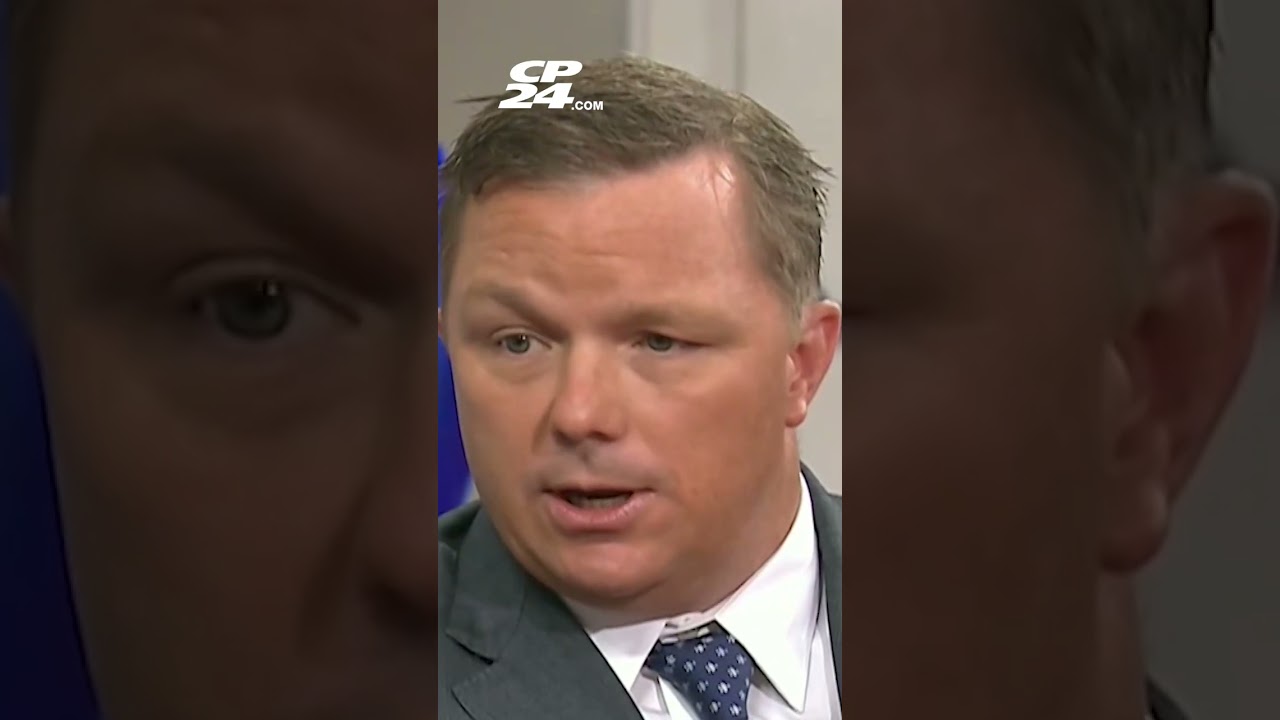
According to aviation expert Phil Dirty, the system employed by Transport Canada involves a process where pilots must periodically present their licenses to a designated check pilot. Alarmingly, Dirty pointed out that there seems to be no effective cross-referencing between what pilots provide and the information stored in government databases. "You’re taking it at face value," he remarked, emphasizing that any discrepancies should ideally be caught during medical evaluations or regular checks against government records.
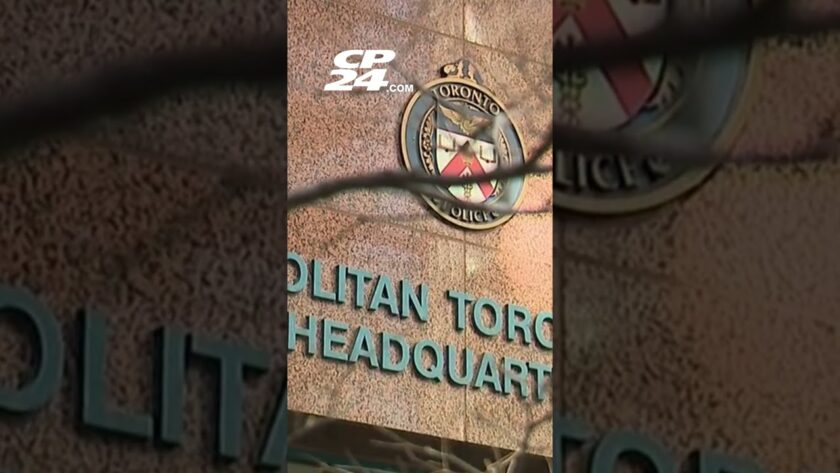
The situation took a turn in March 2025 when Wall’s licensing issue was finally flagged during a routine check. This oversight led Air Canada to alert Transport Canada, initiating a review that ultimately involved law enforcement. In a shocking twist, Wall is also accused of submitting a false police report to mitigate the fallout of his undisclosed licensing issues.
Despite the severity of the allegations, it is essential to note that Wall remains innocent until proven guilty. Moreover, investigations revealed that he held a lower standard of pilot’s license, albeit one that presumably did not authorize him to take command of larger aircraft.
This case not only poses a significant ethical dilemma but also raises broader questions about the regulatory frameworks governing aviation in Canada. How could such a breach of trust occur in an industry where safety is paramount? The unfolding details of this investigation will likely serve as a catalyst for calls for reform, prompt discussions about the integrity of pilot vetting processes, and stress the need for stricter oversight mechanisms.
As more information continues to surface, the aviation community—and indeed passengers everywhere—awaits answers regarding the implications of Wall’s actions. Will this serve as a wake-up call for airlines and regulatory bodies to tighten their protocols? The aviation industry must grapple with the reality that while air travel remains one of the safest modes of transportation, this shocking breach signals the need for vigilance and constant evaluation of safety standards. In the world of aviation, even the mere hint of negligence can have dire consequences, making it imperative to restore faith and confidence in the systems meant to protect lives in the skies.