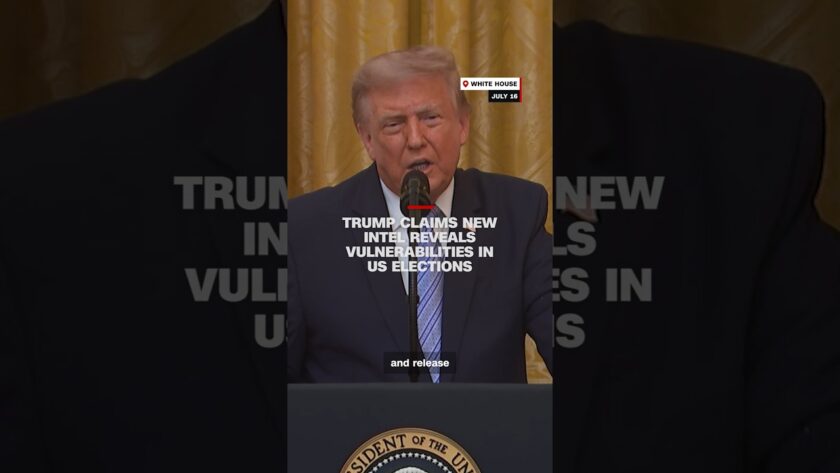
In a recent exchange that underscores the volatility of Israeli-Iranian relations, former President Donald Trump revealed the content of his call with Prime Minister Benjamin Netanyahu amid renewed hostilities. This conversation occurred against the backdrop of escalating military actions between Israel and Iran, marking a significant escalation since March’s ceasefire. As tensions mounted, Trump’s warning to Netanyahu was blunt: “You better be careful, or you will be on your own very soon.” This statement raises questions about the nature of their relationship, especially given the deteriorating approval ratings for both leaders.
Reports indicate that Trump’s frustration stems from the outcomes of the conflict. Initially, both he and Netanyahu anticipated a swift resolution that would lead to regime change in Iran and weaken its influence in the region. However, the reality has diverged sharply from these expectations. Trump appears to believe that Netanyahu may have overpromised on the military efficacy against Iran and its associated proxies, such as Hezbollah and Hamas. As it stands, Iran remains a formidable presence, and Hezbollah’s might in Lebanon continues largely unimpeded.
The discussion also underscores a critical lesson: military solutions have their limits. The complexities of the Gaza situation demonstrate that without a viable Palestinian leadership alternative, enduring peace remains elusive. Similarly, the Iranian regime cannot simply be dealt with through bombing campaigns; a more nuanced political strategy is essential.
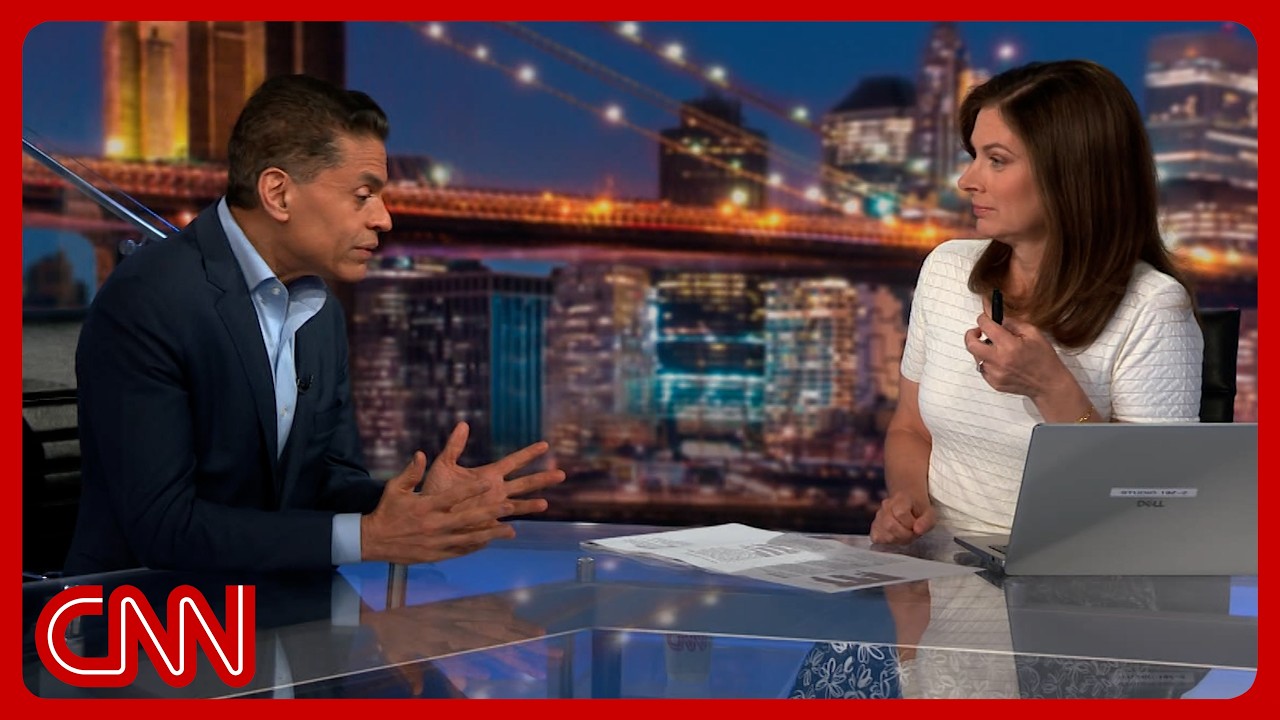
Further emphasizing the precariousness of the situation, Fared Barack reported that a significant Israeli strike involving over 50 fighter jets was imminent, aiming to target various Iranian infrastructure locations. This proposal posed a considerable risk of escalating global conflict. Trump’s intervention likely staved off an immediate crisis, as he advised Netanyahu to reconsider the planned strikes, leading to their cancellation.
In this backdrop, the narrative surrounding the U.S.-Iran standoff has evolved. Trump has indicated optimism regarding potential negotiations, suggesting that the U.S. might achieve a favorable deal within weeks, promising a commitment to eliminate Iran’s nuclear ambitions. He emphasizes the potential for a “total victory,” a phrase reminiscent of his earlier rhetoric surrounding military engagements.
Michael Lander, the Israeli ambassador to the United States, asserted that while ongoing military responses to Iranian aggression are necessary, they must align with broader diplomatic objectives. The goal, he argues, is to prevent Iran from continuing its destabilizing behaviors—specifically, its nuclear ambitions and missile capabilities. Lander believes that any resolution must ensure that Iran is no longer a threat, whether that occurs in two weeks or a potentially extended time frame.
However, the relationship dynamics between Trump and Netanyahu remain complex. While they have a history of collaboration, tensions are evident in Trump’s remarks suggesting that he “calls the shots” in negotiations with Iran, while Netanyahu must align Israeli interests accordingly. This power dynamic is crucial, especially given Trump’s commentary on the declining popularity of Israel in international forums.
The Israeli ambassador acknowledges that misunderstandings can arise within their discussions, but emphasizes the goodwill baseline that underpins U.S.-Israel relations. He asserts that both parties need to address their differing perspectives in a constructive manner. The frequent communication between Trump and Netanyahu, though punctuated by disagreement at times, is positioned as a functional collaboration necessary for navigating these turbulent waters.
In summary, the fragile situation involving Israel and Iran is amplified by political pressures and unpredictable military strategies. While Trump’s intervention may have temporarily calmed escalating tensions, the underlying complexities of the conflict reveal that sustained resolution will require a multifaceted approach, blending military strength with thoughtful diplomacy.