Following the Crisis: Diplomatic Efforts Amidst Conflict in the Middle East
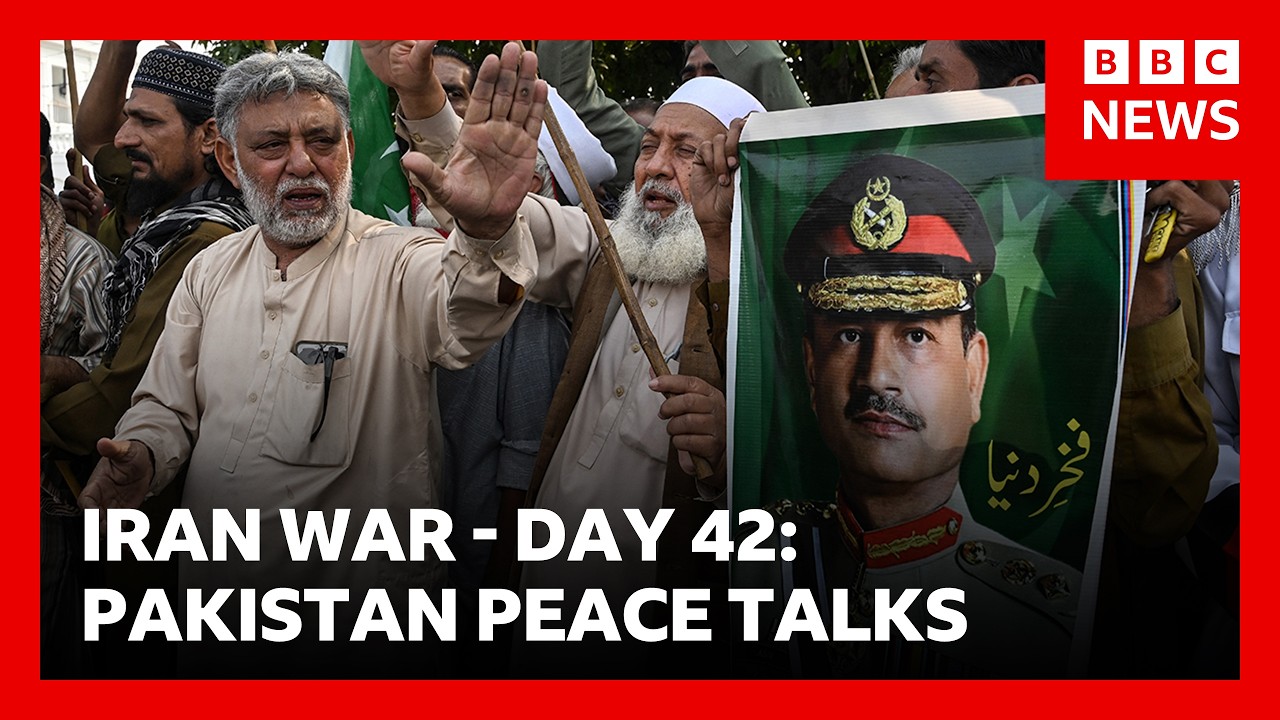
As the world remains transfixed by the ongoing conflict in the Middle East, the spotlight now turns to Islamabad, Pakistan, where crucial peace talks are set to take place between the United States and Iran. This development arrives 42 days into the US-Israel war with Iran, a conflict that has escalated rapidly, drawing widespread attention and profound concern regarding international stability and economic implications.
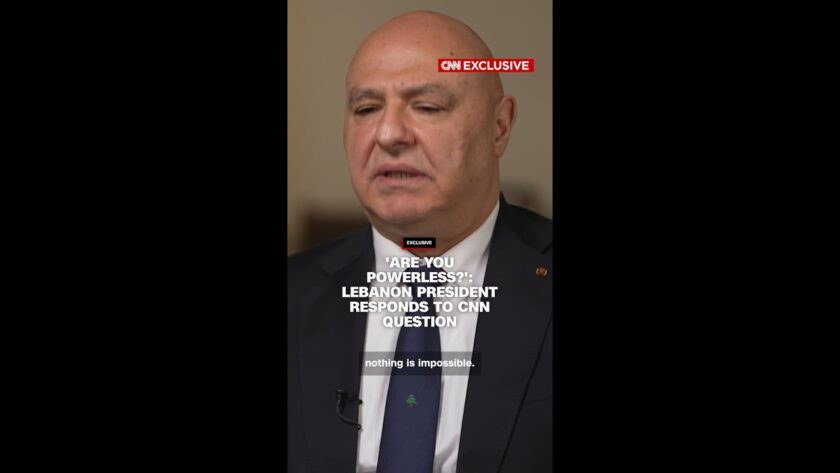
The situation is rife with complexities. Amid rising tensions, Iranian parliamentary leaders have firmly stated that negotiations will not occur without a ceasefire in Lebanon and the unfreezing of Iranian assets. This hardline stance underscores the greater challenge of rebuilding trust, as both the US and Iran face significant internal and external pressures that complicate diplomatic engagement.
US President Donald Trump has intensified the rhetoric, accusing Iran of extortion, particularly regarding the critical Strait of Hormuz—a vital waterway for global oil transport. The president’s statements reflect a desperate bid to maintain control over this strategic route, especially as inflation in the US swells to its highest level in two years, fueled by fluctuating oil prices. The cascading effects of these events threaten to reverberate through the global economy, already stressed from supply chain issues and rising consumer costs.
The stakes are daunting. A scheduled delegation from the US, including Vice President JD Vance and special envoy Jared Kushner, is en route to Pakistan, with hopes of brokering a resolution. Yet, they face numerous hurdles: entrenched beliefs among negotiators, worsening humanitarian crises, and escalating military actions by Israel in Lebanon. Such dynamics threaten to overshadow the ongoing talks and leave both sides in a state of paralysis.
Correspondents on the ground relay that the atmosphere in Islamabad is fraught with anticipation. Security has been markedly heightened, as authorities seem keenly aware of the delicate nature of the negotiations. The Iranian delegation’s status remains uncertain, accentuating the unpredictability surrounding these talks. Reports suggest that they may require assistance to reach Islamabad, highlighting logistical challenges that may further delay any potential engagement.
Amid this backdrop, analysts contend that successful negotiations hinge on addressing the conflict in Lebanon, where Israeli military operations have resulted in significant casualties and displacement. The humanitarian toll in the region is staggering; reports indicate that hundreds, including women and children, have perished amid ongoing bombardment. The international community watches with bated breath, as many fear that without a ceasefire, the prospect of dialogue may be irreparably damaged.
The stakes also extend to Iran’s nuclear ambitions. The conflict has reignited concerns about Iran’s uranium enrichment program, which remains a focal point in US and Israeli security concerns. As the situation evolves, nuanced discussions will be crucial to navigating the myriad issues at play.
Economically, the ramifications of the conflict extend beyond the immediate regions involved. The Strait of Hormuz serves as a critical artery for oil exports, and its instability directly impacts global markets. Shipping firms are increasingly wary of potential attacks or disruptions to passage, leading to skyrocketing insurance costs and limited shipping activity. The implications of these developments are echoed in economies worldwide, with warnings of potential fuel shortages looming on the horizon.
As President Trump, the Iranian leadership, and the world hold their breath in anticipation of these negotiations, it becomes clear that the path to lasting peace is fraught with challenges. The diverging interests and entrenched positions create a landscape where dialogue is not merely a necessity but a contentious battleground itself.
In the coming days, all eyes will be on Islamabad, as the fate of not only the region but also global economic stability hangs in the balance. The complexity of this conflict extends far beyond borders, encapsulating the urgent need for reconciliation and cooperative dialogue in the pursuit of sustainable peace.