Current Dynamics in the Strait of Hormuz: A Complex Geopolitical Landscape
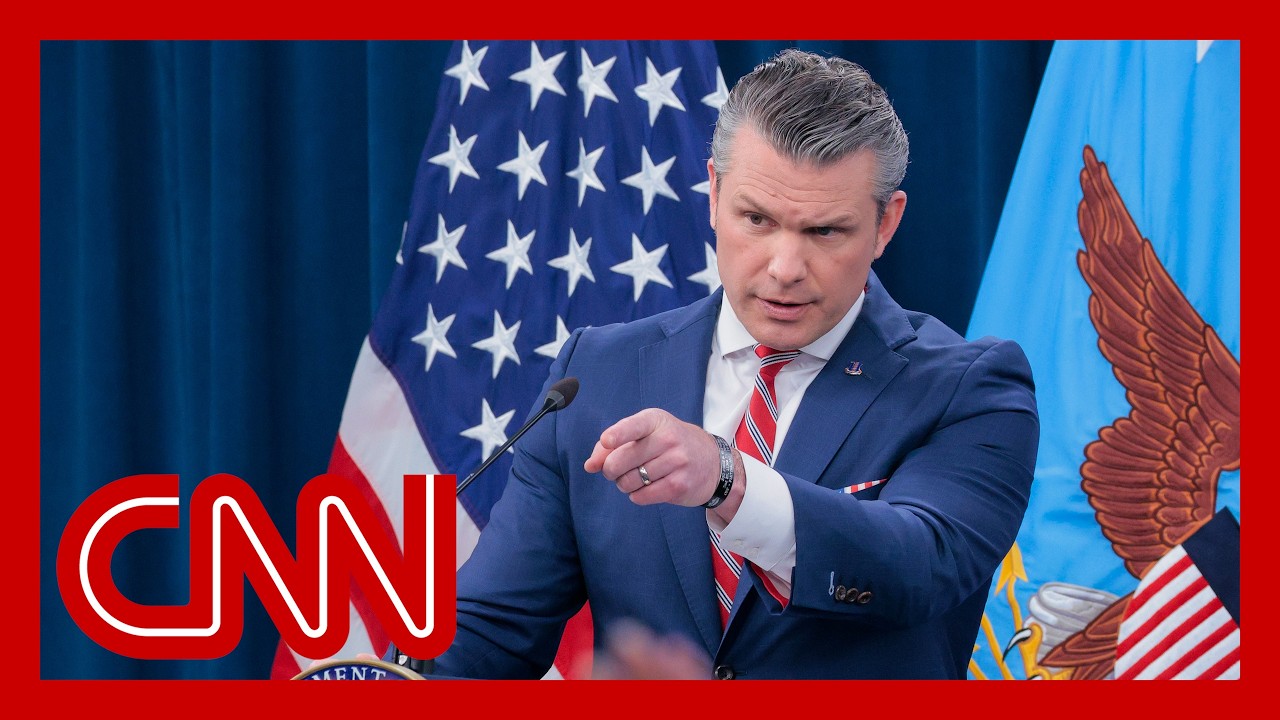
Recent developments in the Strait of Hormuz emphasize the intricate balance between military strategy and diplomatic efforts surrounding the ongoing conflict involving Iran. U.S. Defense Secretary Pete Hagath’s declaration that "No, the ceasefire is not over" marks a significant clarification amid fluctuating hostilities. His assertion comes in stark contrast to President Trump’s more ambiguous responses, especially as Iranian attacks on U.S. allies, notably the United Arab Emirates, continue to escalate.
The situation is evolving into a distinct and multi-faceted scenario, highlighted by Hagath’s references to "Project Freedom," a mission aimed at restoring the flow of commerce through the strategically crucial Strait, separate from military operations defined as "Project Epic Fury." This division of initiatives aims to ensure that diplomatic maneuvers remain intact while addressing the need for safe maritime navigation.
Elena Train, reporting from the White House, emphasizes the administration’s commitment to maintain a ceasefire while pressing for a diplomatic resolution. The Pentagon’s rhetoric suggests an urgency for dialogue, underscoring a preference for a peaceful resolution over military escalation. Yet, this stance also presupposes a strong military capability to deter further Iranian aggression, as acknowledged by the Secretary, who reaffirmed that if the current diplomatic efforts falter, the President retains the option to resume combat operations.
The military landscape remains complicated. Observing that two U.S. ships successfully navigated the Strait recently, Hagath claims this illustrates a "clear lane." However, before the eruption of hostilities, approximately 100 vessels crossed this vital waterway daily. This juxtaposition spotlights the ongoing implications of conflict on global commerce and energy supplies, particularly distressing for Asian markets heavily reliant on oil from this region.
Senators and lawmakers in Washington are mindful of the ticking clock regarding war powers. Traditionally, a 60-day window—a benchmark for military engagement—exists under U.S. law before requiring Congressional approval. Yet, Hagath’s assertion that the ceasefire effectively pauses this countdown creates a layer of ambiguity. The administration appears to maneuver within a nuanced legal framework, maintaining flexibility while seeking Congressional support only if needed.
The conversation about international collaboration is equally critical. Hagath noted, "The world needs this waterway a lot more than we do," in an appeal for greater NATO and allied involvement. Potential contributions have circulated, with countries like South Korea reconsidering their role amidst a landscape fraught with risk. Yet, hesitation prevails, as fears of Iranian retaliation loom large over potential partners in any multinational security effort.
Kim Doer, a former commander of U.S. Marine Corps Forces Central Command, remarked on the challenges ahead. The credibility of U.S. military presence will directly influence whether commercial shipping can resume its flow unimpeded. With powerful interests at stake, shipowners will critically assess the risks versus rewards in navigating the Strait under U.S. protection.
The Pentagon’s calls for international partners carry weight, especially given the precarious situation where Iran might view any U.S. assertiveness as a provocation. Lieutenant General Sam Mundy emphasized the separation of commercial and military operations to avoid conflating efforts that might enable Iran to manipulate situations in its favor.
As the situation continues to evolve, the U.S. military’s proactive posture aims to deter Iranian initiatives while facilitating maritime commerce. However, Iran remains aware of its capacity to create disruption. The deployment of enhanced maritime security measures, characterized by advanced surveillance and reconnaissance technologies, indicates the seriousness with which the U.S. is approaching this multilayered crisis.
In conclusion, as the dynamics in the Strait of Hormuz unfold, the U.S. navigates a precarious line between demonstrating military resolve and pursuing diplomatic avenues. The outcomes will significantly impact global economic stability, regional security, and the intricate fabric of international alliances formed to ensure safe passage through this vital corridor. The stakes are high, and the path forward will require measured actions and strategic foresight from all parties involved.