Investigation Underway Following Salt Truck Incident on Southbound 427
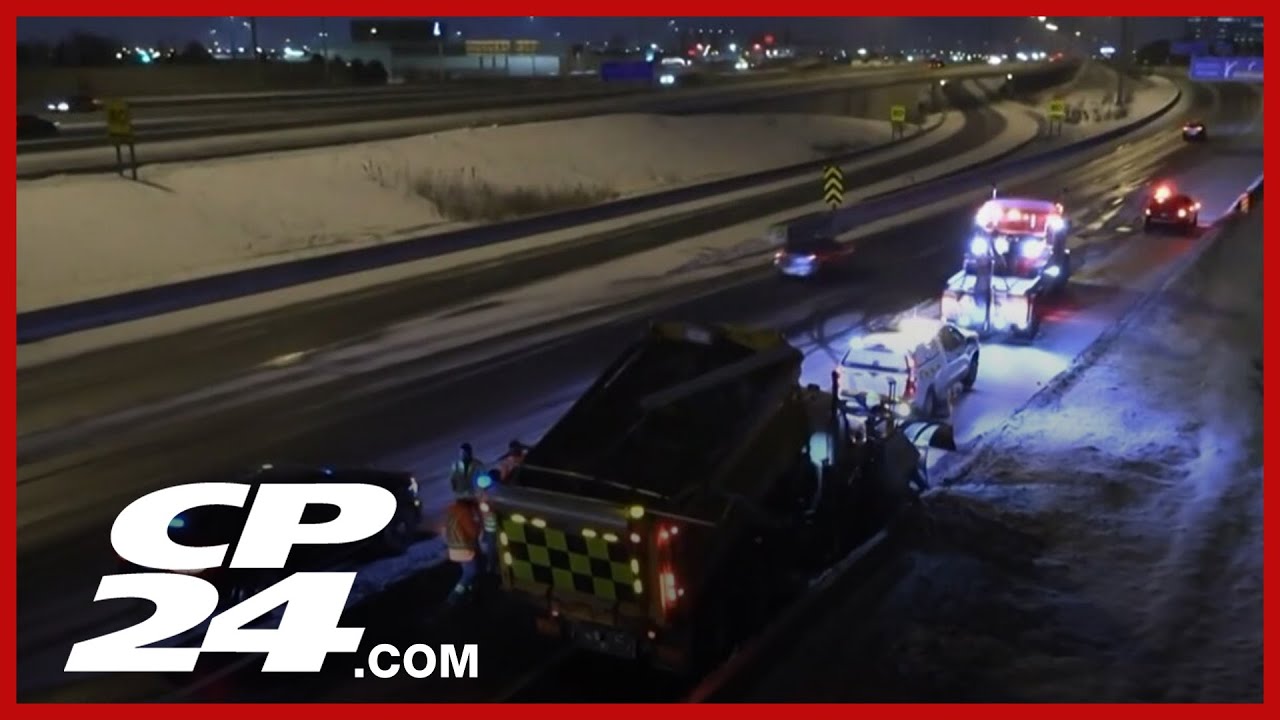
This morning, a salt truck accident on the southbound 427 has prompted an investigation by local authorities. The incident occurred around 3:30 AM when the truck collided with the Bloor Street overpass, striking the structure with its bed raised. The impact resulted in a significant spill of salt onto the roadway, necessitating a swift and comprehensive response from the Ministry of Transportation (MTO).
As cleanup operations were initiated, traffic disruptions ensued. Two right lanes on the southbound collectors south of Burnhamthorpe were temporarily closed to facilitate the removal of the spilled material and ensure the area was safe for travelers. However, after several hours of labor, these lanes have since reopened, alleviating congestion that had built up during the early morning hours.
Fortunately, no injuries were reported as a result of the collision. The absence of personal injury is a relief, given the potential hazards associated with vehicle accidents involving heavy machinery. It is fortunate that the incident occurred during a time when traffic volume was relatively low, mitigating risks to other drivers on the roadway.
The ongoing investigation by the police aims to determine the precise cause of the accident. Was a mechanical failure to blame, or did human error play a role? Understanding the circumstances surrounding the incident will be crucial not only for fitting accountability but also for ensuring that similar occurrences can be avoided in the future.
The MTO has confirmed that the cleanup operations remain a priority, as road safety and traveler convenience are paramount. The spilled salt is being collected thoroughly to eliminate any risk of further accidents. Salt, while commonly used for winter road maintenance, can create slippery conditions when improperly deposited on roadways. It’s imperative that all necessary precautions are followed during such cleanups.
As investigations proceed, questions arise about the regulations governing the operation of vehicles carrying heavy loads, especially in urban areas with structures like overpasses. The height of the truck’s bed at the time of impact seems to be a crucial detail in the investigation. Was the driver aware of the height restrictions in the area? Were proper protocols followed before entering the overpass zone? Answers to these questions could lead to critical insights regarding truck operations and regulatory compliance.
This incident reflects a broader concern for transportation safety on urban roads, particularly when it comes to heavy transportation vehicles. As cities continue to grow and infrastructure evolves, ensuring that drivers of such vehicles adhere to equipment checks and road regulations becomes increasingly important. The potential consequences of oversights can be significant, not only risking infrastructure but also endangering lives.
While the immediate consequences of today’s incident have been managed without harm to anyone, the focus now shifts to the lessons that can be learned moving forward. An incident like this serves as a stark reminder of the vulnerabilities inherent in urban transportation systems. It highlights the importance of continued diligence, training, and compliance amongst operators of heavy vehicles.
As the community awaits further updates regarding the findings of the investigation, residents and motorists are thankful that this mishap resulted in minimal disruption and no injuries. Yet, the underlying issues call for a concerted effort among city planners, transportation officials, and commercial operators to foster a safer environment on the roads.
In the meantime, vigilance around the operational protocols of heavy vehicles on city streets remains paramount. Ensuring that such a collision does not occur again demands ongoing commitment from all stakeholders involved. The road to safer transportation is one paved with continuous improvement and adherence to safety standards, reminding us all of the delicate balance between infrastructure and vehicular operation that sustains our daily lives.