The Diplomatic Tension Over Greenland: An Analysis of President Trump’s Tariff Threats
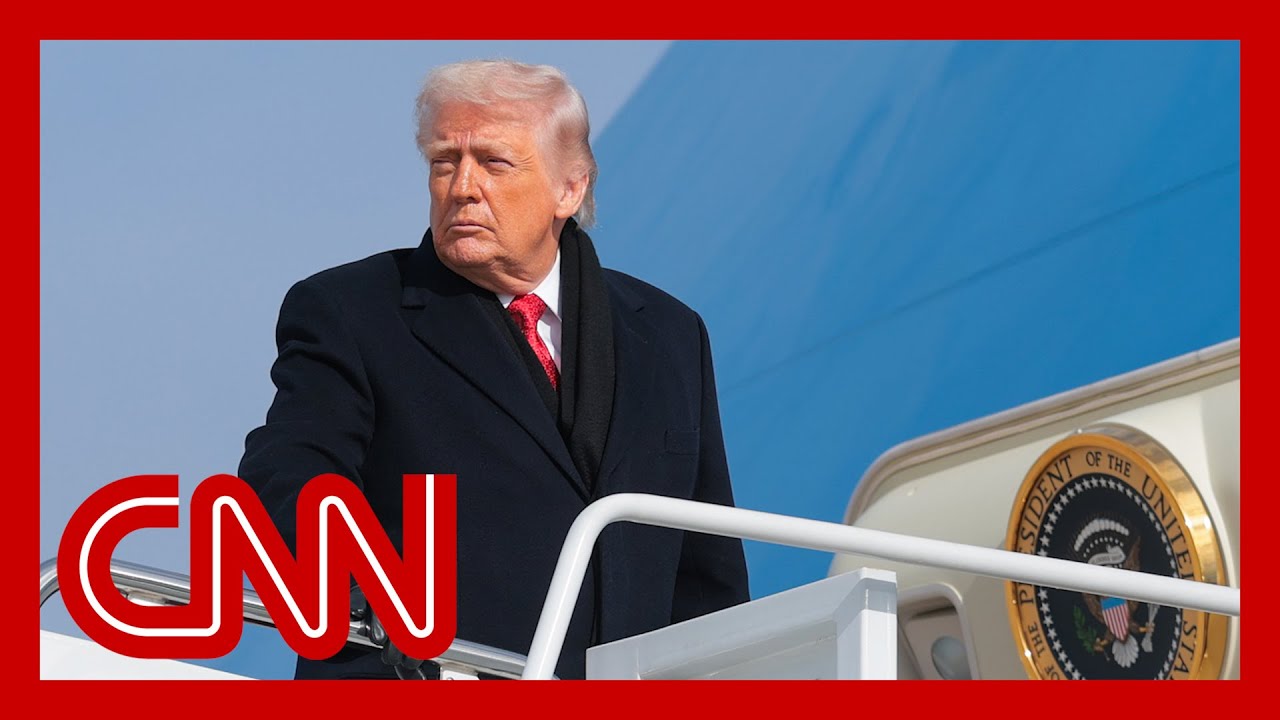
Recent developments surrounding President Trump’s interest in acquiring Greenland have heightened diplomatic tensions between the United States and Europe. The emergence of a letter addressed to Norway’s Prime Minister, Jonas Gahr Støre, revealed a tone of frustration stemming from the President’s perceived slight of not receiving the Nobel Peace Prize. In the letter, he expressed, "Considering your country decided not to give me the Nobel Peace Prize for having stopped eight wars, I no longer feel an obligation to think purely of peace." This statement encapsulates a shift in focus towards national interests, particularly concerning Greenland.
As CNN’s Melissa Bell reported from Paris, the implications of this letter are profound. European leaders have come together in response to the President’s renewed threats of tariffs against EU nations, effectively linking these economic sanctions to territorial ambitions. Historically, the United States has maintained a military agreement with Denmark over Greenland since 1951, facilitating cooperation without territorial claims. However, the current administration’s provocative dialogue suggests a desire to escalate negotiations regarding Greenland’s status.
The timing of these newly proposed tariffs could not be more controversial. As European lawmakers prepared to ratify a trade deal established last summer, intended to avert a war of tariffs between the U.S. and the EU, President Trump’s threats have led to a potential impasse. This deal, which ensured a cap on American tariffs at 15%, is now under pressure, with retaliatory countermeasures heating up among European nations. Should the agreement collapse, an extensive set of €93 billion in counter-tariffs could be reinstated by February.
The European Commission has been vocal about its desire for dialogue and de-escalation. Still, its preparations for retaliatory tariffs signal a readiness to respond robustly to U.S. actions. Major General James “Spider” Marks emphasizes that although the U.S. has established military access to Greenland, the administration’s aggressive rhetoric could alienate NATO allies, prompting fears about the alliance’s future stability.
Indeed, the implications extend beyond trade wars. If the U.S. appears to prioritize territorial claims over diplomatic relations, it risks undercutting NATO’s efficacy and unity. The actions and language emanating from the White House not only alienate European partners but also question America’s commitment to long-standing alliances.
In discussing the strategic value of Greenland, Mark notes that it could enhance U.S. military reach in the Arctic—an area of increasing geopolitical relevance. Yet, such aspirations should not come at the cost of damaging key alliances. The possibility of adversarial relationships with NATO members over a territory like Greenland raises critical questions: Is the pursuit of expanded U.S. influence worth the risk of alienating allies?
As tensions escalate, Richard Quest from the World Economic Forum in Davos highlights that President Trump’s methods are creating a dilemma for European leaders, who face intense pressure to respond without appearing weak. The administration’s stance ties tariffs and potential military aspirations together in a manner unprecedented in U.S.-Europe relations.
The geopolitical situation surrounding Greenland is not simply a question of territory; it is intricately linked to broader themes of power dynamics between the U.S. and Europe. The repercussions of military actions or aggressive rhetoric against an allied nation could reshape the NATO landscape as it is known today.
In light of this unfolding saga, it remains unclear how the situation will resolve. European leaders are faced with difficult choices as they navigate a complex web of diplomacy, economic strategy, and historical alliances. As they seek to maintain cohesion in the face of President Trump’s assertive tactic, the potential for a united European response may simultaneously emerge as a pivotal moment—a rare convergence of left and right against what they perceive as American overreach. The world watches closely as this narrative continues to unfold, bearing implications not only for Greenland but for the future of transatlantic relations.